
pro-government
"I AM HAPPY THAT PEOPLE ARE CELEBRATING..." Vučić announced a new message after winning local elections (PHOTO)
Vučić announced a new message after winning local elections
10 days ago
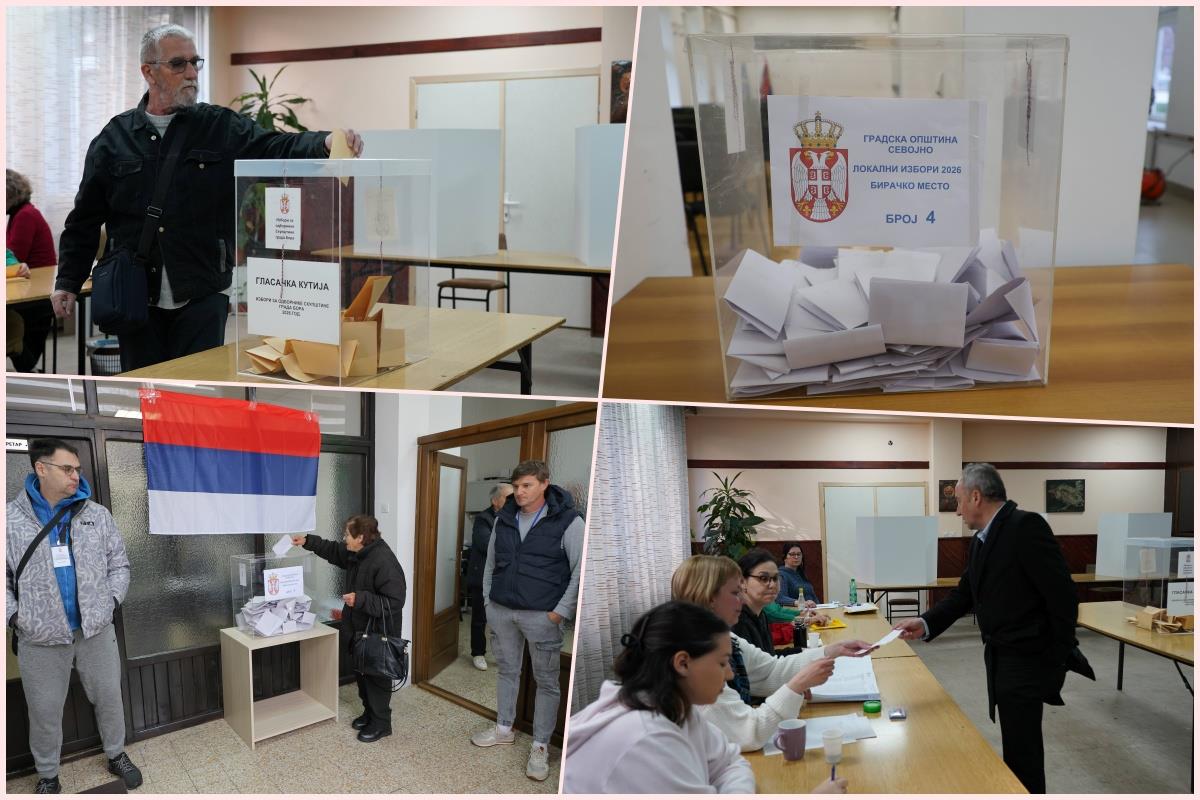
Local elections were held in 10 municipalities and cities across Serbia, after which President Aleksandar Vučić publicly claimed a sweeping “10:0” victory for the Serbian Progressive Party (SNS) and its allied lists. Both opposition and pro-government outlets concur that Vučić personally announced the results, including via social media, presenting preliminary tallies that show SNS or SNS-backed coalitions winning by clear margins in places such as Aranđelovac, Bajina Bašta, Bor, Kula, Kladovo, Smederevska Palanka, and Lučani, and that the voting day was marked by at least some incidents and tensions at polling places or around party infrastructure.
Across the spectrum, coverage situates these elections within Serbia’s broader political standoff between the ruling SNS and a fragmented opposition that has used protests, local races, and institutional complaints to challenge the government’s dominance. Both sides agree that Vučić framed the local contests as a test of strength after months of national turbulence, that allegations of irregularities and pressure on voters surfaced in connection with the vote, and that questions about media influence, party call centers, and the conduct of security services form part of the recurring background to Serbian elections. There is also common acknowledgment that SNS currently enjoys a strong national polling position and that the institutional environment – including the electoral commission, courts, and regulatory bodies – heavily shapes how disputes over local results will be channeled.
Scale and meaning of victory. Pro-government outlets portray the 10:0 outcome as an unambiguous, landslide confirmation of SNS’s popular support, often highlighting large percentage leads and calling the result “total domination.” Opposition-aligned media, where they acknowledge the same numerical outcomes, tend to question whether the margins reflect free voter choice, suggesting that state resources, patronage networks, and unequal media access inflate SNS’s apparent strength. While government-friendly coverage treats the local races as proof that the opposition has minimal reach beyond Belgrade and a few urban centers, opposition outlets frame the results as structurally skewed rather than a genuine plebiscite on the government.
Characterization of election day incidents. Pro-government sources amplify Vučić’s claims that guns were drawn, chaos was attempted, and that “blockers” and certain opposition activists tried to intimidate voters or storm call centers, presenting the ruling party as a stabilizing force that “defended Serbia.” Opposition media, by contrast, either downplay these specific incidents or recast them as isolated confrontations used by the government to discredit observers and activists documenting irregularities, sometimes suggesting that state-linked actors were responsible for provocations. In pro-government narratives, security risks justify firm responses and underscore the legitimacy of the result, whereas opposition narratives suggest the incident talk is a distraction from systematic pressure and abuse of institutions.
Portrayal of institutions and media. Pro-government reporting echoes Vučić’s criticism of certain media outlets for allegedly intruding into SNS call centers and conducting a “witch hunt” against government supporters, presenting call centers as a normal feature of democratic competition. Opposition sources tend to depict the same call centers as instruments of voter surveillance and mobilization tied to public-sector employment, and portray pro-government outlets as part of an information machinery that crowds out dissenting voices. While ruling-party narratives stress that institutions like the electoral commission and police acted properly and ensured order, opposition narratives emphasize their perceived partisanship and reluctance to investigate complaints against SNS.
Future course and calls for unity. Pro-government media foreground Vučić’s post-election message that “a hand will be offered” to all political actors and that, after a hard-fought 10:0, the priority is unity in the face of difficult economic and geopolitical challenges. Opposition outlets typically treat these unity appeals as rhetorical cover, arguing that repeated concentration of power at local level further marginalizes alternative voices and reduces prospects for substantive dialogue or reform. Government-aligned coverage presents SNS’s dominance as a stable platform for continuity and gradual change, while opposition coverage warns that such dominance entrenches authoritarian tendencies and narrows democratic space.
In summary, opposition coverage tends to treat the proclaimed 10:0 victory as the product of an unlevel playing field, instrumentalized incidents, and captured institutions, while pro-government coverage tends to frame it as a clean, overwhelming mandate that validates Vučić’s leadership, the strength of SNS, and the narrative of defending stability while extending a conciliatory hand to rivals.


pro-government
'It is impossible for there to be a change in the final result'
10 days ago