


pro-government
SHE FELL FROM THE 5TH FLOOR OF THE FACULTY OF PHILOSOPHY AND DIED! Investigation into her death and pyrotechnics at the faculty continues
Investigation into her death and pyrotechnics at the faculty continues
9 days ago
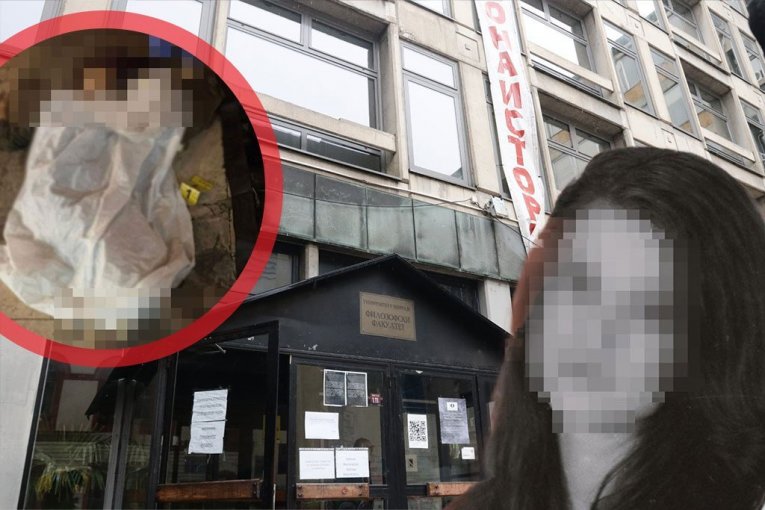
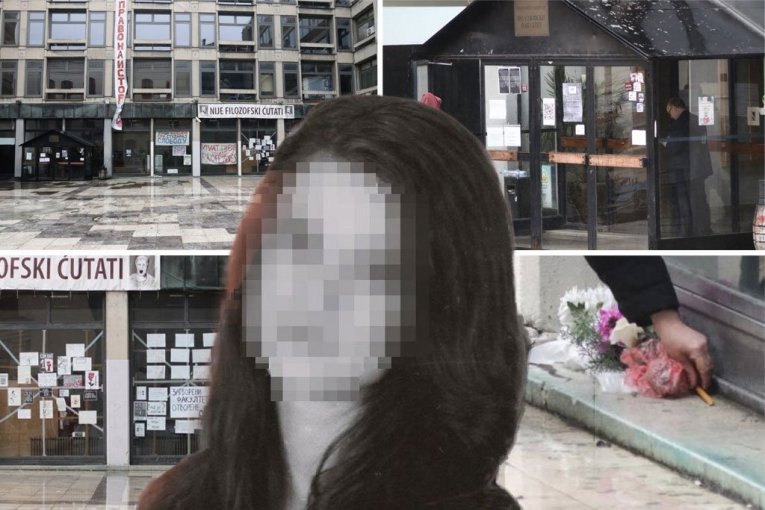
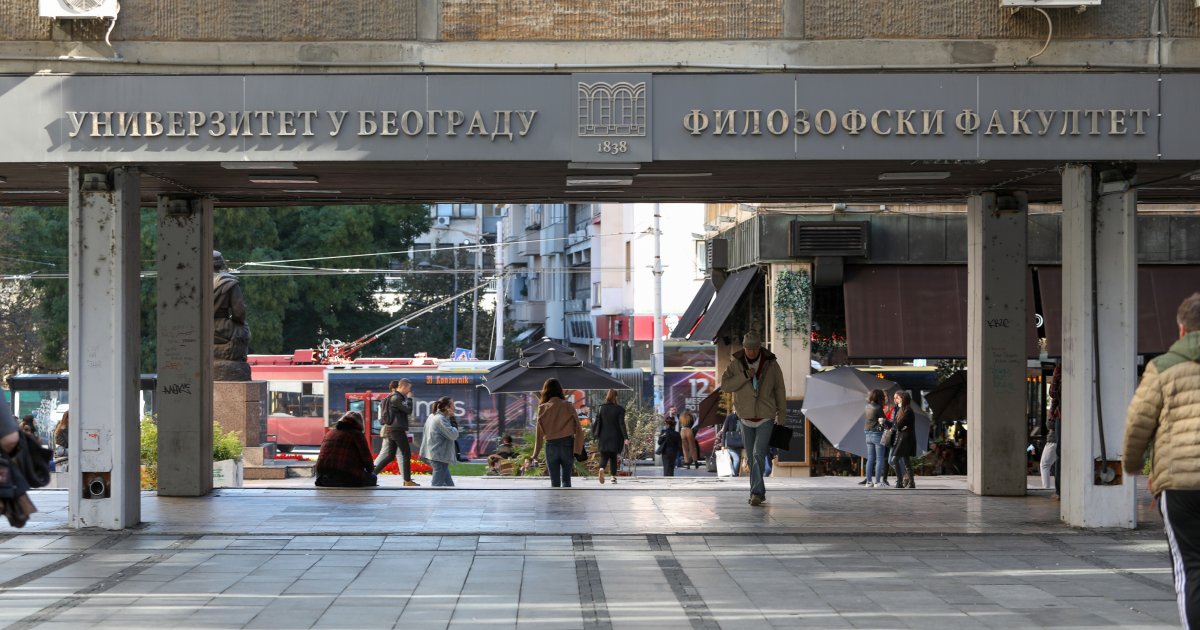
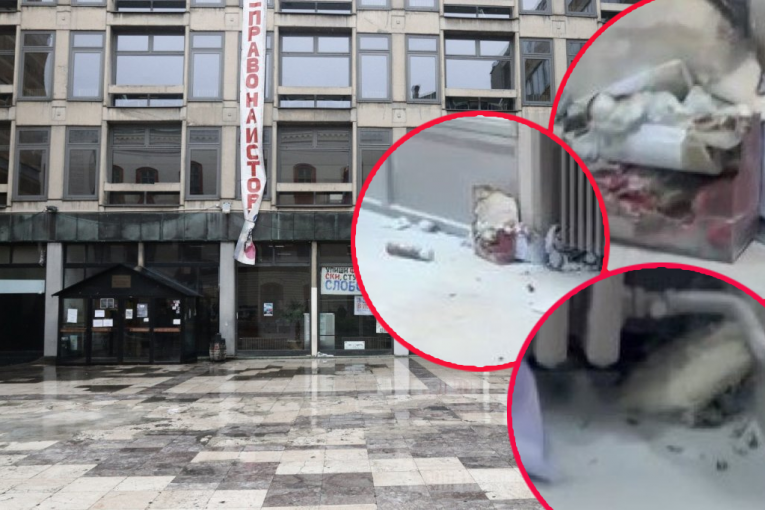
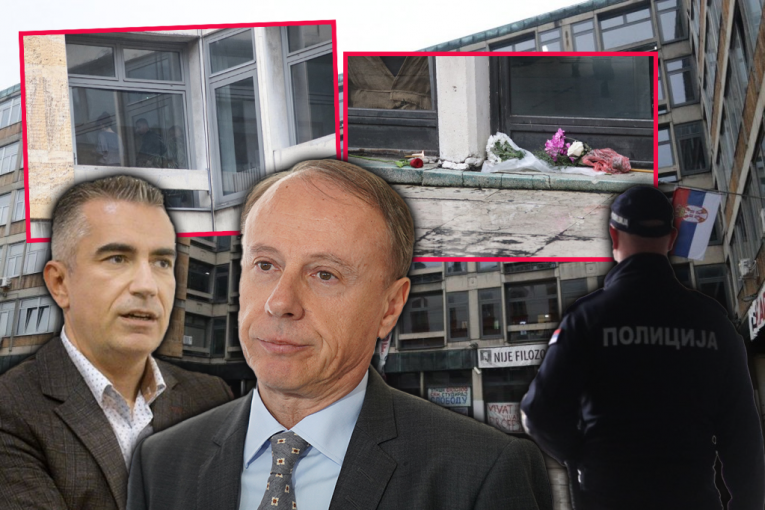
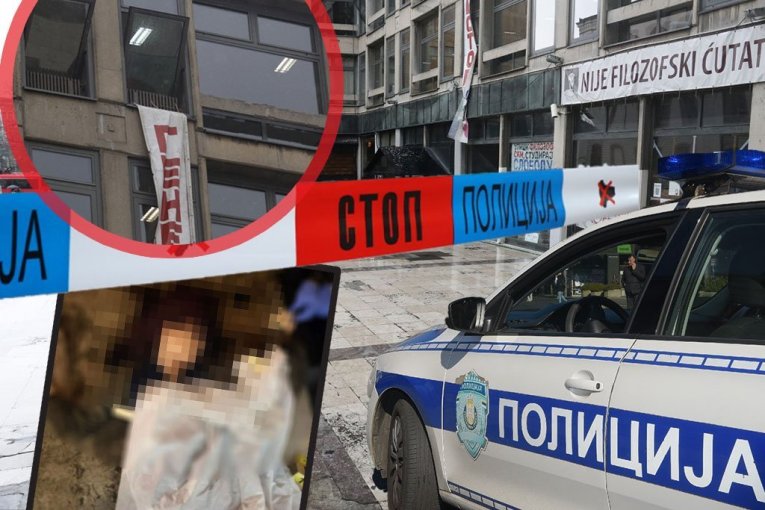
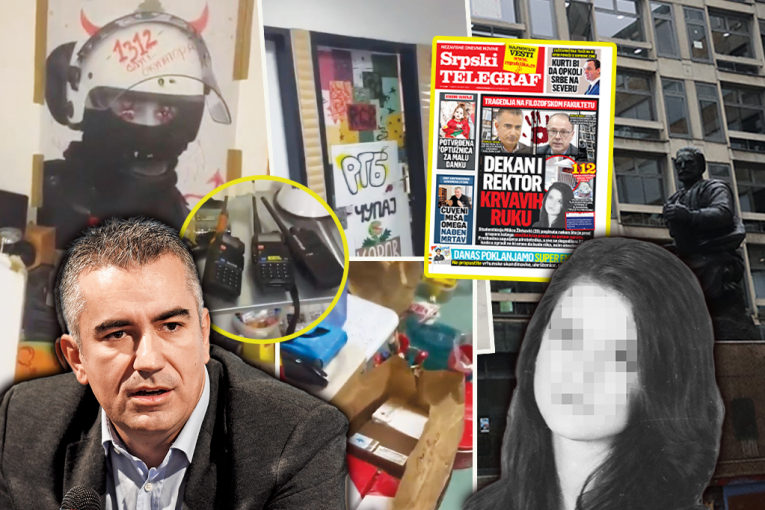
A 25-year-old student, identified as Milica Ž., died after falling from a fifth-floor window of the Faculty of Philosophy in Belgrade around 10:40 p.m. She was found unresponsive on the square in front of the building, and police initially reported an open window above the site, as well as pyrotechnics, spray cans, and traces of a fire extinguisher on the fifth floor. Both opposition and pro-government outlets agree that pyrotechnic devices were present and apparently ignited shortly before the fall, causing a small fire that was extinguished by students and at least one professor. Prosecutors and police have opened a formal investigation, ordered forensic and autopsy examinations, and are questioning faculty leadership, security staff, and witnesses to determine whether safety regulations were violated and whether the fall was a jump or an accidental fall.
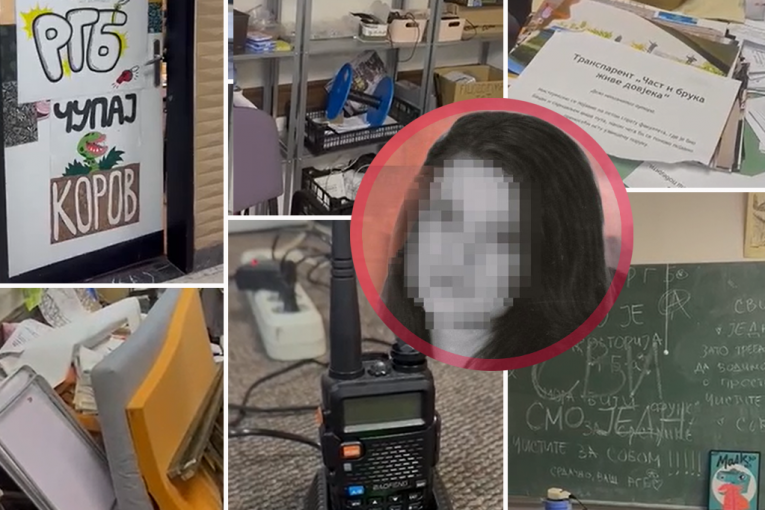
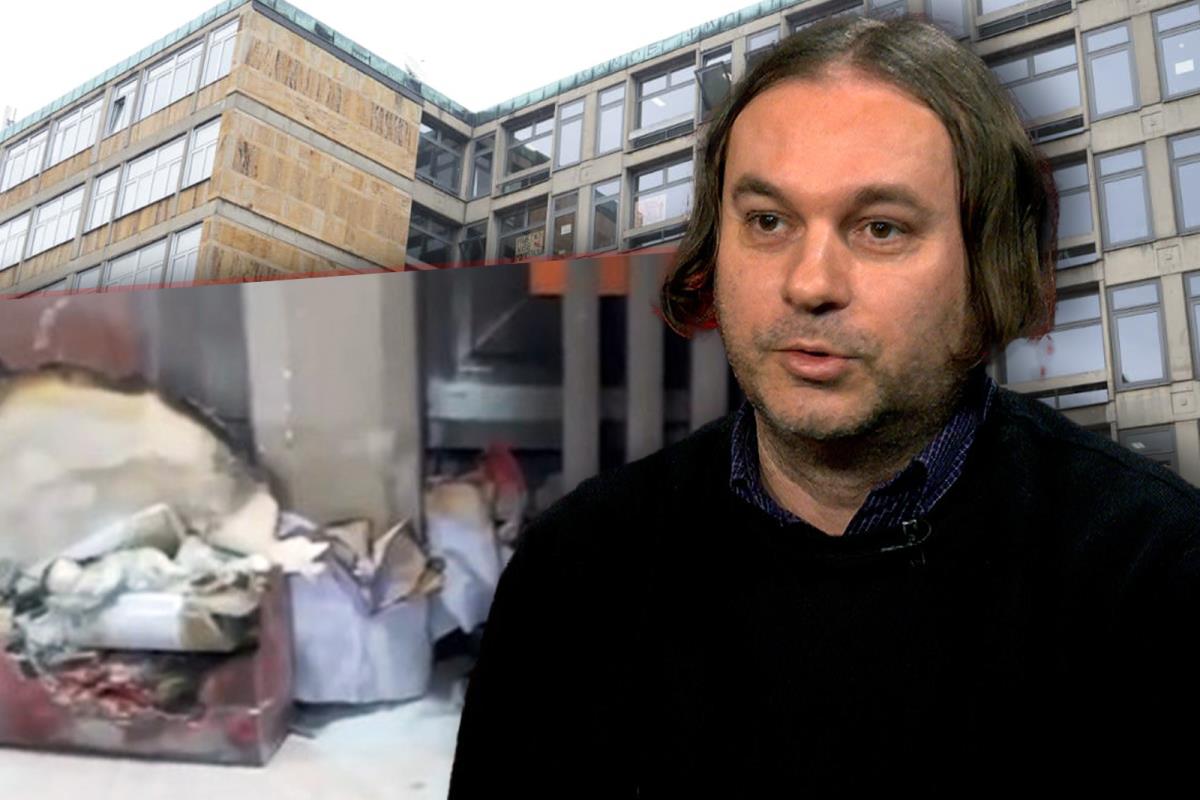
Across the spectrum, media situate the tragedy within a broader context of ongoing student protests, prolonged occupation or nighttime use of faculty premises, and concerns about campus security and control over who can access the building after hours. Both sides acknowledge that rooms on the fifth floor, particularly a classroom used by protest groups, were found after the incident to contain large quantities of pyrotechnics and protest materials, and that higher-education and university authorities face questions about permitting such conditions. There is shared emphasis on the role of the Higher Public Prosecutor’s Office, the Ministry of Internal Affairs, and university bodies in clarifying how dangerous materials were stored in an academic building and whether institutional procedures for nighttime access, security checks, and fire safety were followed. Coverage also converges on the need for deeper reforms or at least a thorough review of university safety rules, supervision of student activities, and the responsibilities of deans, rectors, and security services in preventing similar tragedies.
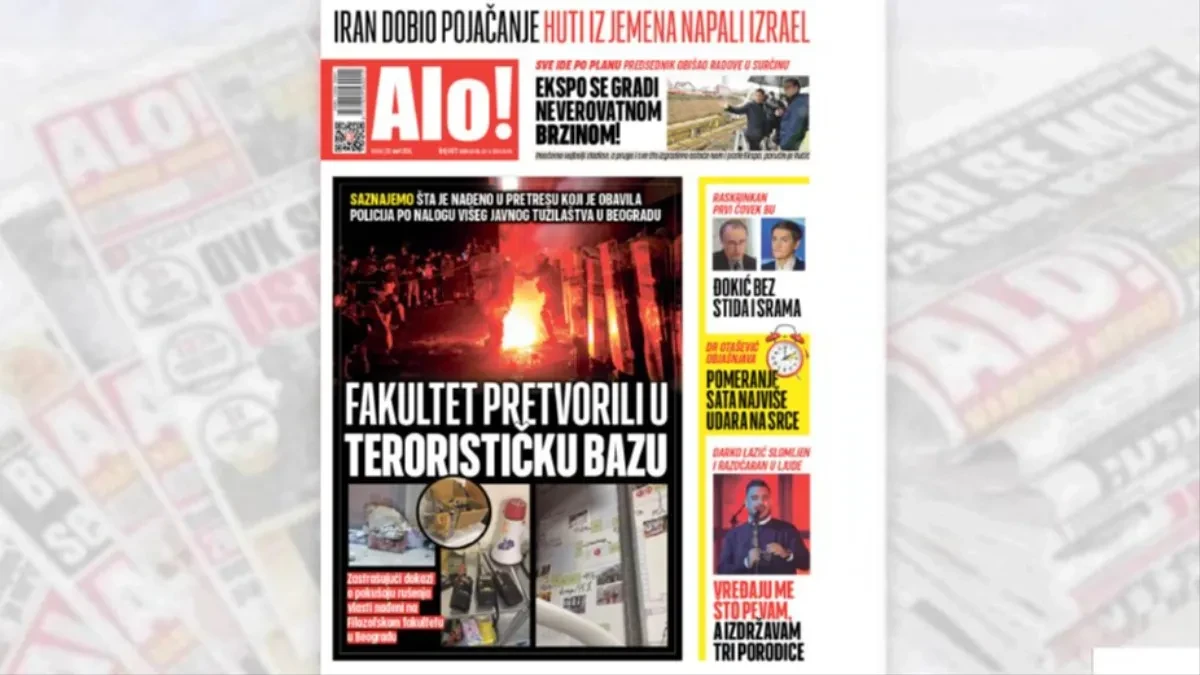
Framing of the core problem. Opposition-aligned outlets primarily frame the event as an institutional failure of safety and oversight within the faculty and university, stressing that a young woman lost her life in unclear circumstances and warning against sensationalism. Pro-government outlets, by contrast, expand the frame into a story about a radicalized protest infrastructure inside the faculty, repeatedly describing certain spaces as a “base,” “terrorist base,” or “para-military” hub. While opposition sources see the pyrotechnics chiefly as a grave security lapse, pro-government sources treat them as proof of a broader campaign to destabilize the state, tying the incident to opposition-linked student activism.
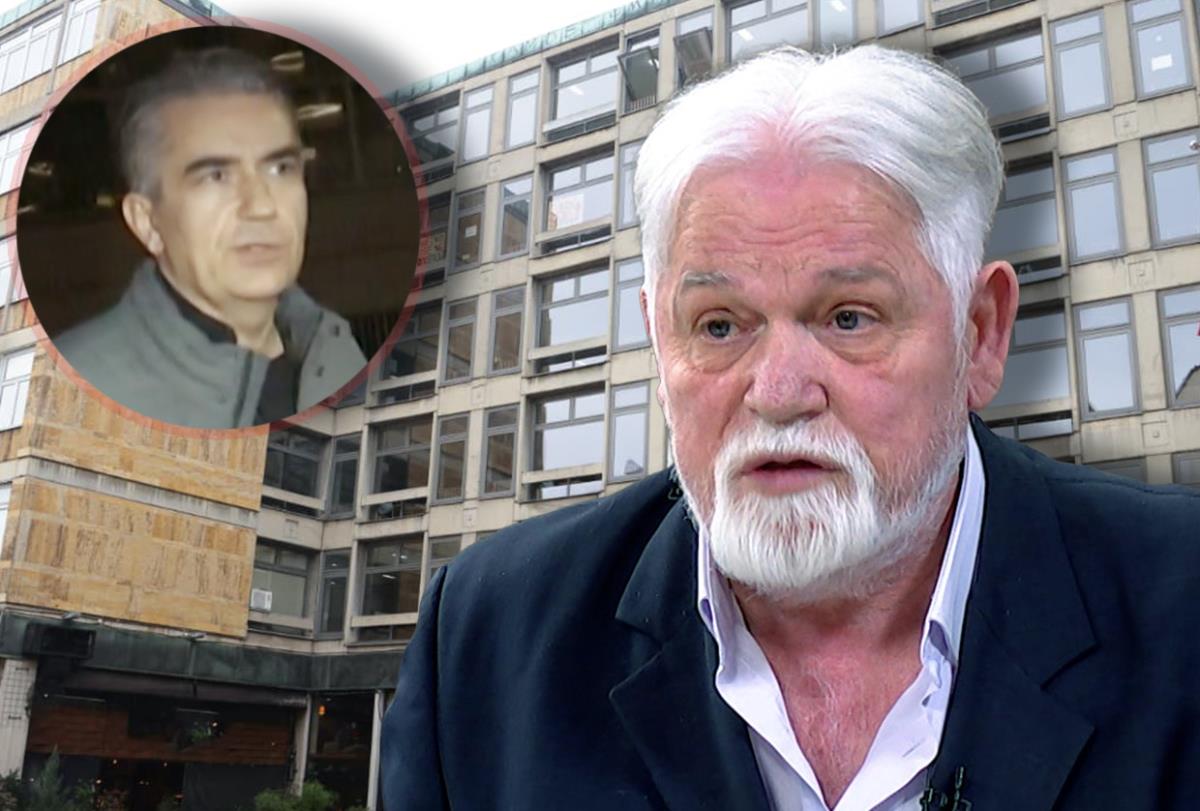
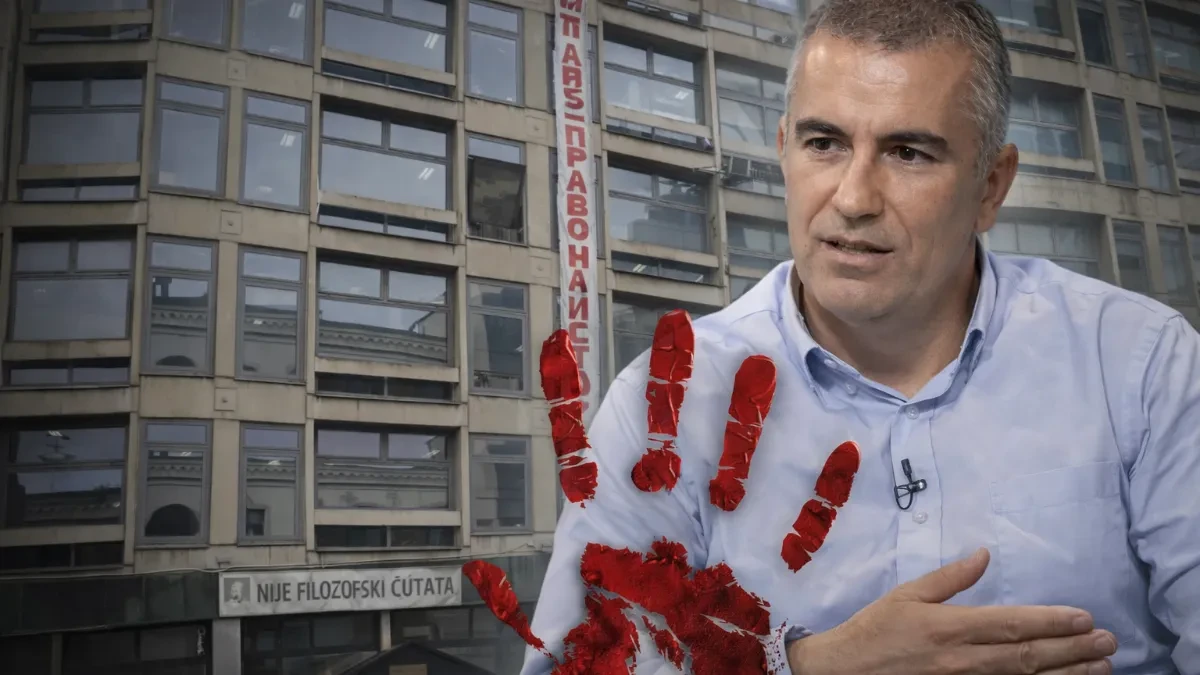
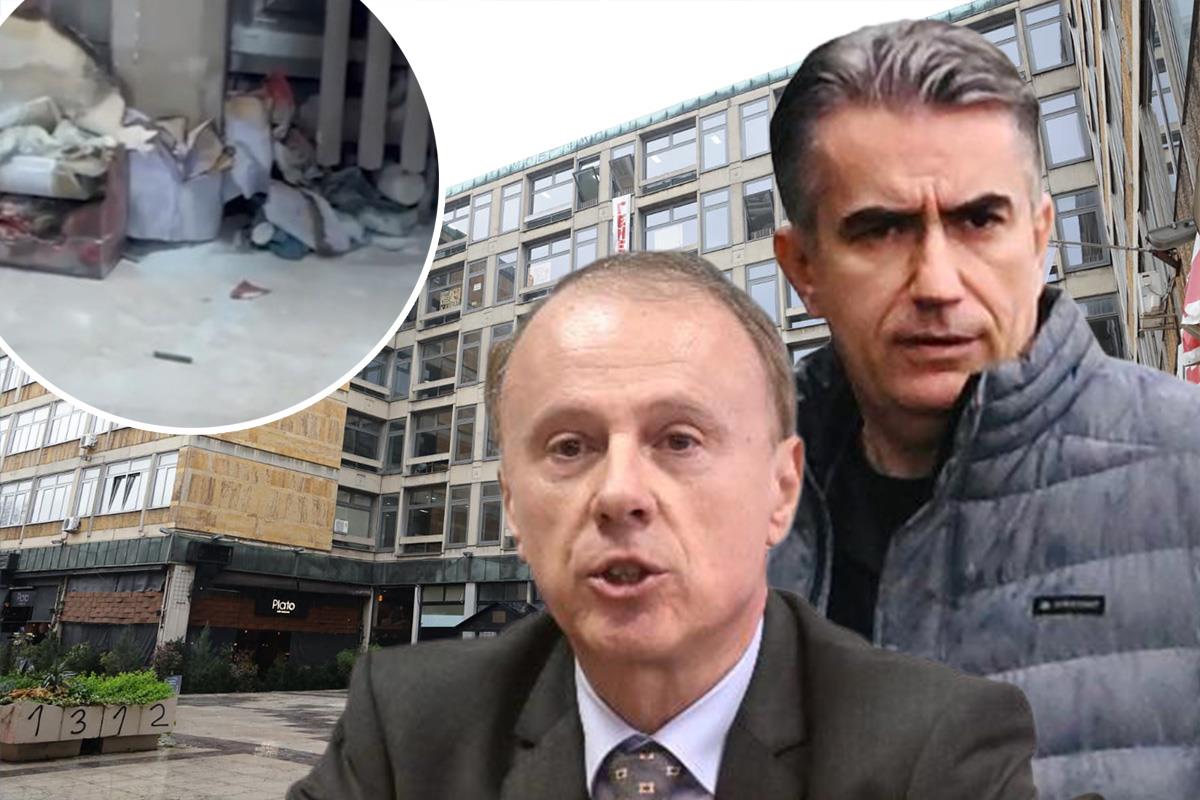
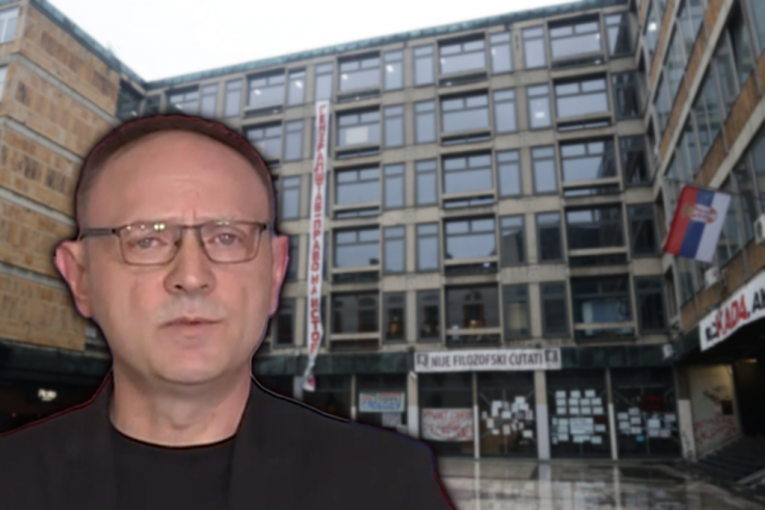
Allocation of responsibility. Opposition media highlight the Higher Public Prosecutor’s investigation into the dean and administration for possible dereliction of duty, but largely avoid pre-judging individual guilt, presenting responsibility as a legal and institutional question to be resolved by due process. Pro-government media much more aggressively personalize blame, insisting that Dean Danijel Sinani and Rector Vladan Đokić “must” resign and portraying them as having directly enabled blockades, illegal overnight stays, and storage of dangerous materials. While opposition outlets emphasize systemic shortcomings in university governance and security protocols, pro-government coverage often accuses specific opposition-leaning faculty figures and student leaders of consciously fostering “anarchy” that directly led to the death.
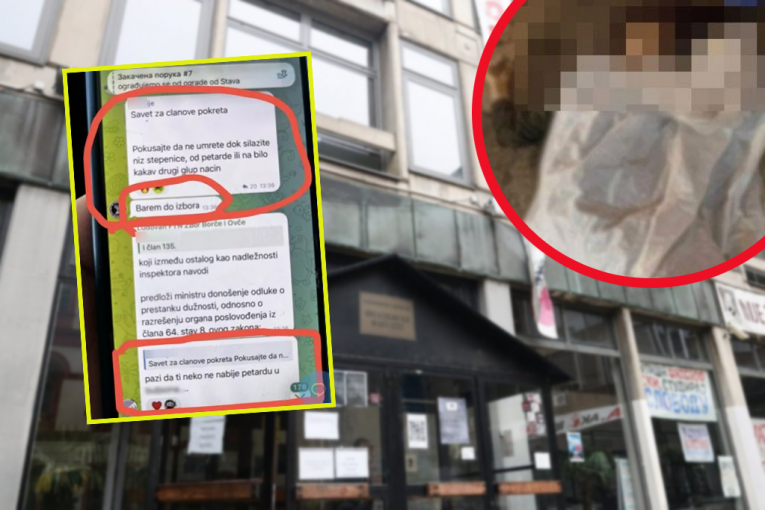
Portrayal of the student and protesters. Opposition sources describe the deceased mainly as a student who was alone in the hallway at the time, stressing the tragedy and the need to protect her dignity, with minimal focus on her personal motives or mental state. Pro-government outlets go into graphic detail about notes allegedly found on her, the exact inventory of pyrotechnics, and private messages among “blockaders,” depicting parts of the student protest movement as cynical, mocking the death, and operating like a disciplined paramilitary group. To opposition media, the protesters are mostly civic actors criticizing the authorities, whereas pro-government media use the tragedy to discredit the protest camp as irresponsible extremists whose behavior endangered everyone in the building.
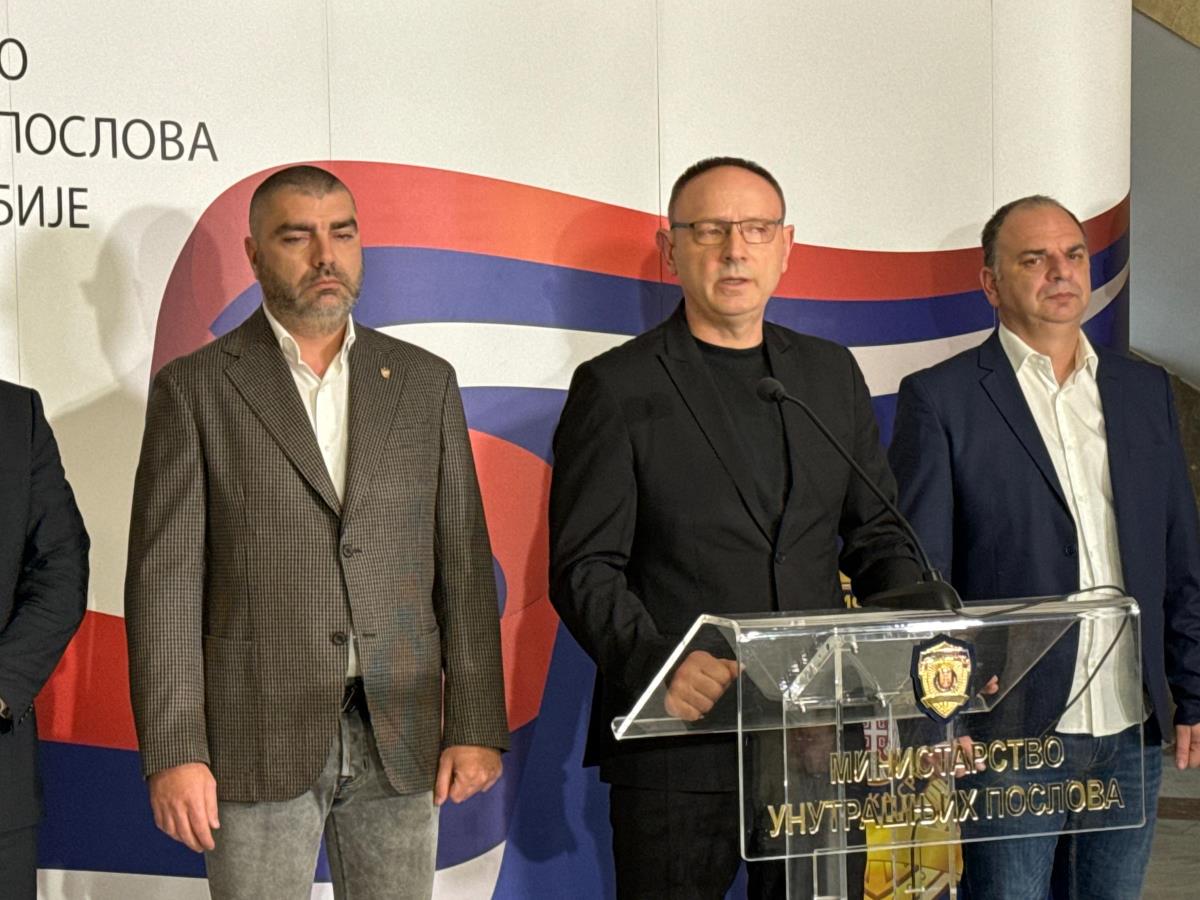
Political instrumentalization and higher-level context. Opposition outlets treat the case as a serious campus tragedy with political overtones but concentrate on the legal investigation and internal university accountability, rarely invoking national-level plots. Pro-government outlets repeatedly link the discovered materials and the blockade to alleged attempts to destabilize the government, feature statements by senior officials including the president, and attack other media for “defending” faculty leadership. While opposition coverage is wary of turning the death into a weapon in partisan battles, pro-government coverage actively integrates it into a narrative of opposition and university elites jeopardizing public order and national security.
In summary, opposition coverage tends to stress the tragedy, due-process‑based investigation, and systemic safety failures within the university, while pro-government coverage tends to dramatize the incident as the product of an extremist protest enclave, highlight alleged anti-government plots, and personalize blame on opposition-associated faculty and student leaders.




pro-government
Kurir
8 days ago