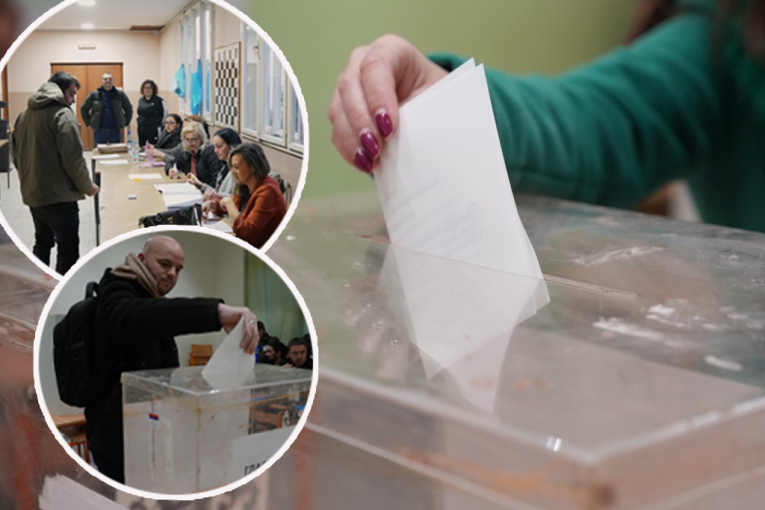
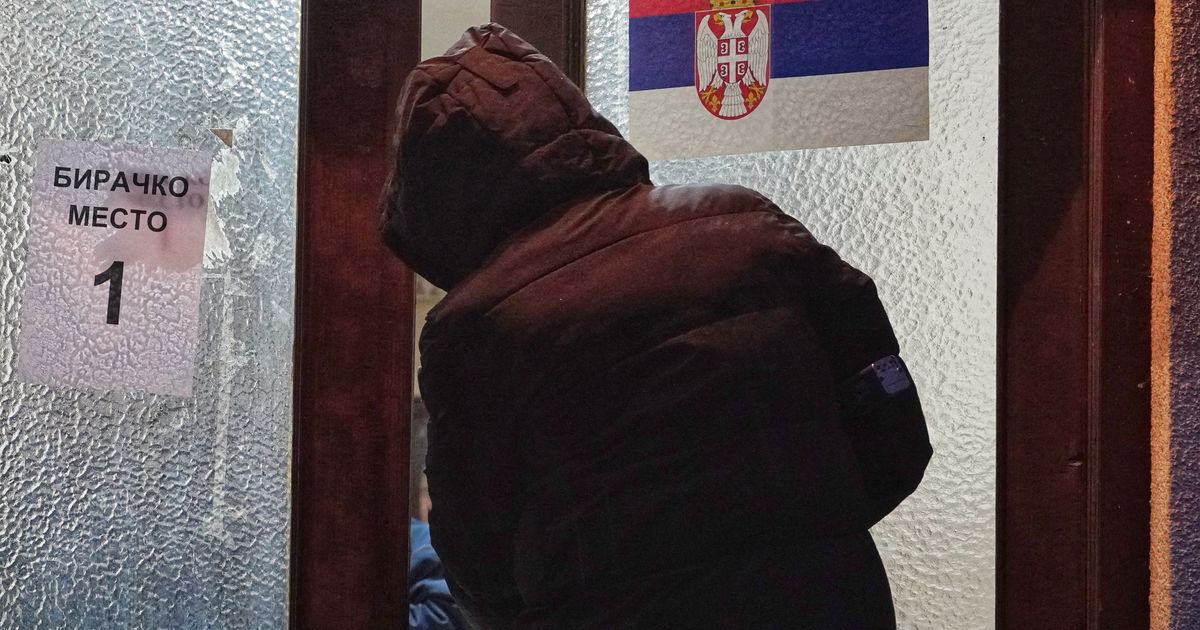
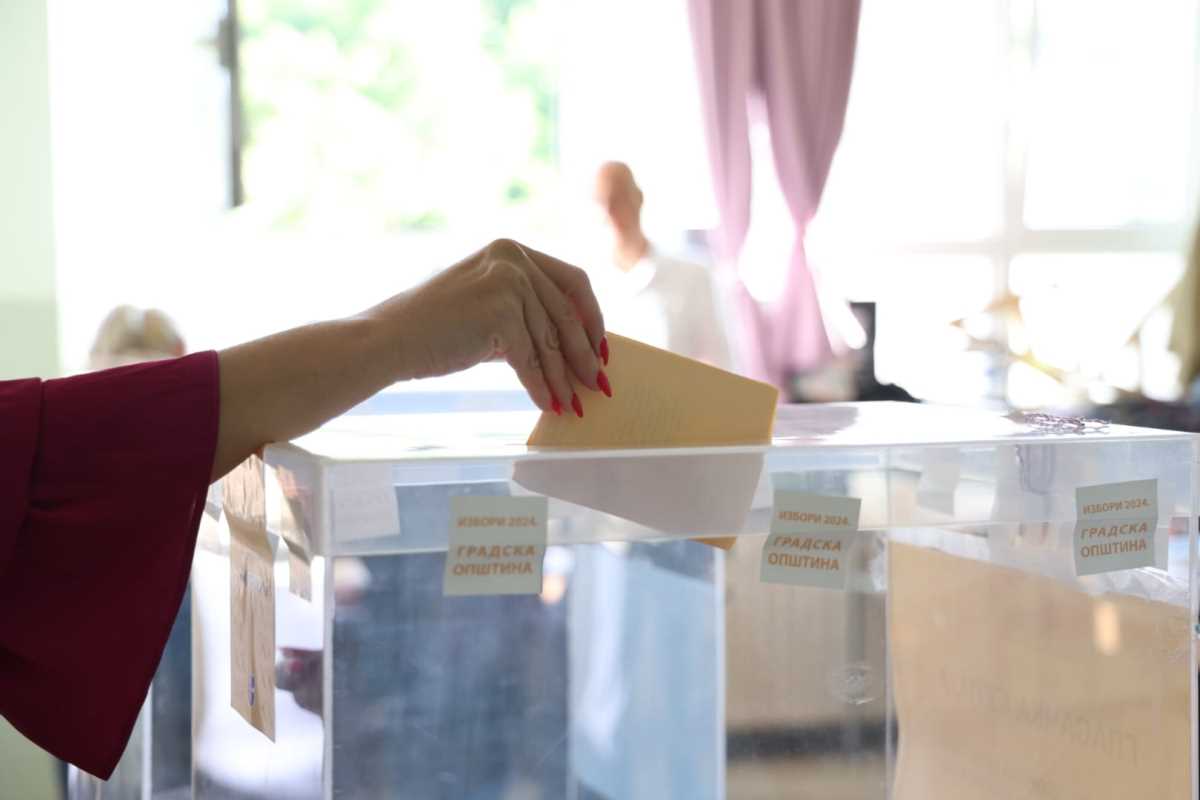
Election silence has begun ahead of regular local elections in 10 Serbian municipalities, during which all campaign activities and electioneering are banned until polling stations close on Sunday at 8 p.m. Voting will take place on Sunday from 7 a.m. to 8 p.m. for local assembly members in municipalities such as Bor, Smederevska Palanka, Bajina Bašta and others, with municipal election commissions tasked with organizing the process, overseeing polling stations, and publishing final results within 96 hours of the close of voting. The silence period applies equally across all participating electoral lists in each municipality and is defined and enforced by electoral law and local election commissions.
Across both opposition and pro-government coverage, the elections are framed as part of the regular local electoral calendar governed by Serbian electoral legislation and supervised by municipal election commissions and the Republic Electoral Commission. Both sides recognize that local self-governments are electing assembly members who set municipal policies, budgets, and development priorities, and that the structure of electoral lists, polling stations, and voter rolls is formally regulated. There is shared acknowledgment that recent controversies around elections at the national level form a backdrop, but that these particular contests are legally categorized as regular local elections rather than extraordinary or ad hoc votes.
Areas of disagreement
Fairness and conditions. Opposition-aligned outlets typically argue that, despite the formal start of election silence, the playing field in these municipalities is structurally unfair due to alleged misuse of state resources, media dominance by the ruling party, and pressure on public sector employees. Pro-government media, by contrast, depict the process as fully compliant with the law, stressing that all lists had equal formal opportunity to collect signatures, campaign, and present programs before silence began. While opposition sources emphasize informal coercion and blurred lines between party and state, pro-government outlets emphasize procedural regularity and the absence of major incidents reported by commissions.
Significance of the vote. Opposition coverage tends to frame these local elections as a test of broader dissatisfaction with national authorities and a continuation of previous disputes over electoral integrity, presenting the ten municipalities as potential early indicators of a shifting political mood. Pro-government media, however, mostly present the contests as routine local democratic exercises focused on municipal issues, infrastructure, and services, avoiding narratives that cast them as a referendum on the national government. Where opposition sources stress the symbolic weight and national implications of these local races, pro-government outlets keep the emphasis on administrative normalcy and local governance.
Role of institutions and observers. Opposition outlets often question the independence and effectiveness of local election commissions and, by extension, the Republic Electoral Commission, sometimes calling for stronger domestic and international observation even during small-scale local contests. Pro-government coverage tends to underscore the professionalism and neutrality of these bodies, noting clear deadlines, prescribed procedures, and the legal obligation to publish results within 96 hours as evidence of institutional robustness. The opposition perspective highlights past controversies as grounds for skepticism, while pro-government reports focus on current compliance and a lack of formal complaints as proof of institutional credibility.
Media environment during silence. Opposition-aligned media usually argue that election silence is undermined in practice by continued indirect promotion of ruling-party officials through state-friendly outlets, blurred lines between government communication and campaigning, and disproportionate coverage that favors incumbents. Pro-government media frame silence as a respected legal boundary, stressing the cessation of overt campaigning and the neutral, informational character of any ongoing news about public officials. Thus, the opposition stresses de facto violations via media bias and soft propaganda, whereas pro-government outlets emphasize de jure compliance and the formal halt of campaign activities.
In summary, opposition coverage tends to portray the election silence and local contests as formally regulated but substantively skewed by systemic advantages for the ruling party and broader national tensions over electoral integrity, while pro-government coverage tends to present them as routine, well-organized local elections conducted in line with legal norms, with institutions and media largely fulfilling their roles without major controversy.