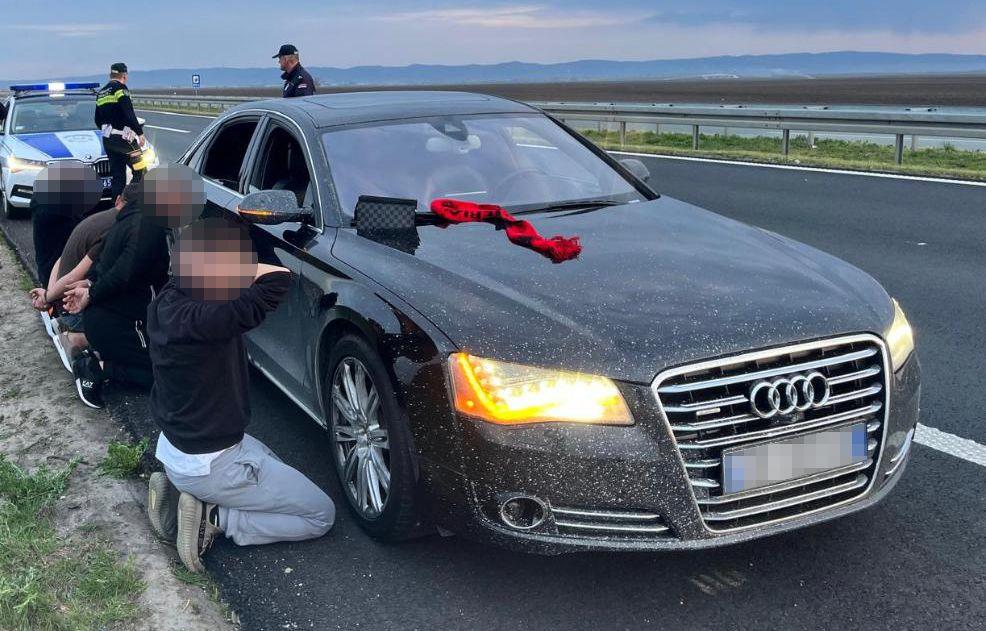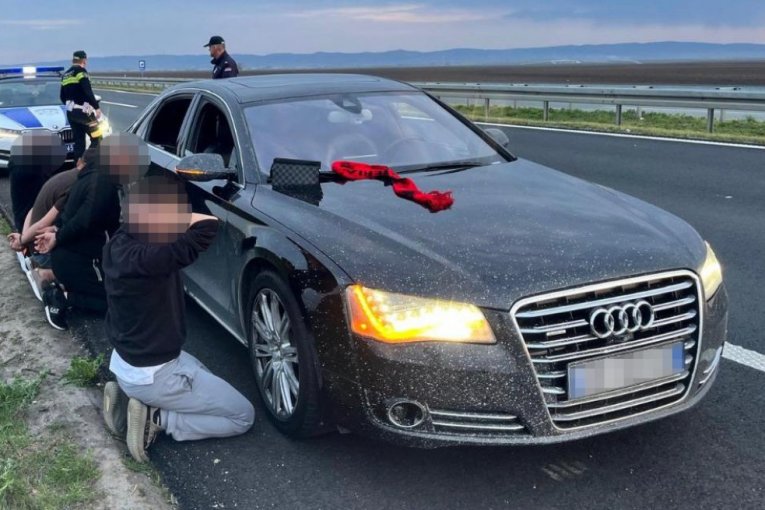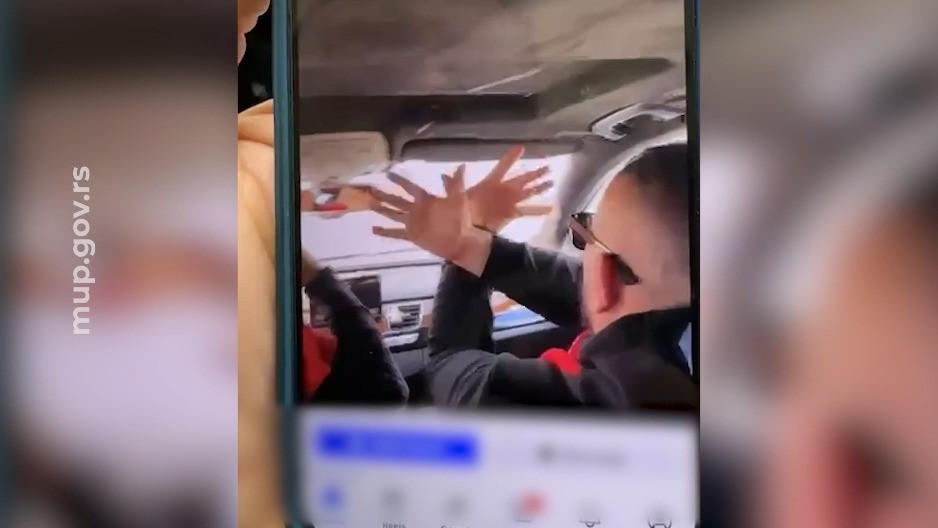



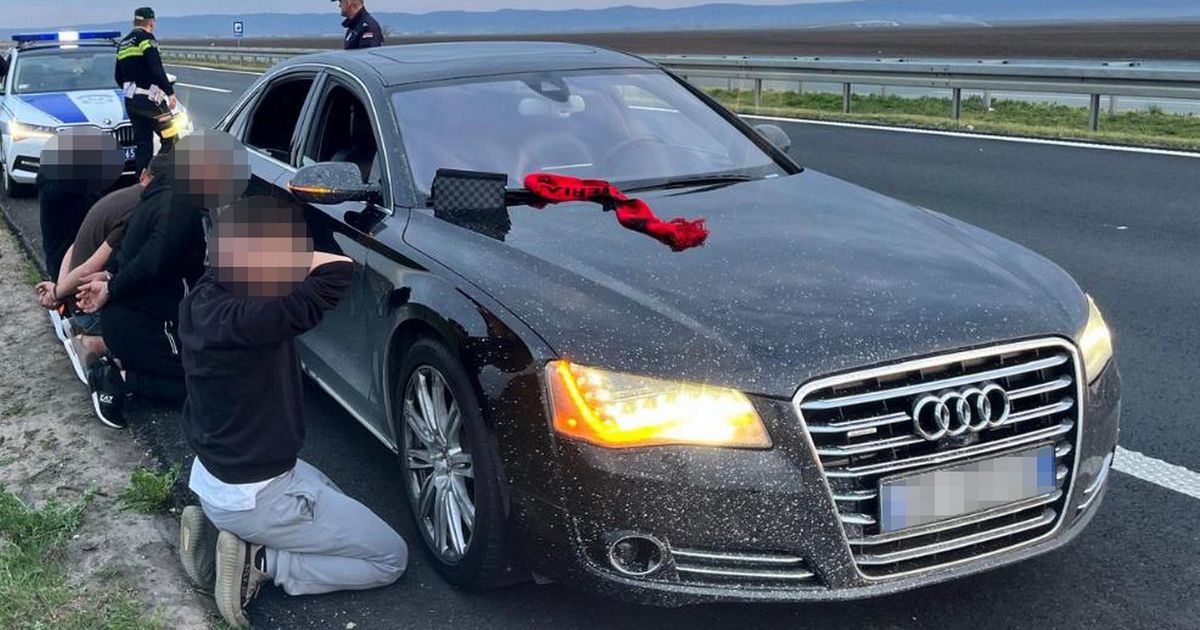
Four Albanian citizens were arrested in Serbia on suspicion of inciting national, racial, and religious hatred and intolerance. Both opposition-leaning and pro-government outlets agree that the incident occurred on a Serbian highway and was linked to a publicly shared social media video, in which the individuals displayed symbols associated with the concept of "Greater Albania" and made derogatory remarks about Serbia. All sides report that the four are Albanian nationals, that they were traveling by car through Serbia, and that they were placed in 48-hour police detention with a case opened before the Higher Public Prosecutor's Office in Belgrade. Most coverage, regardless of alignment, notes that their travel plans involved heading toward an international football match and that they will not reach their intended destination because of the detention measure.
Across the spectrum, media reports situate the event within the framework of Serbia’s criminal legislation against incitement to national, racial, and religious hatred, emphasizing that the police and prosecutorial response is formally grounded in these provisions. There is broad acknowledgment that the use of nationalist symbols and inflammatory language in ethnically sensitive contexts is treated as a serious public-order concern by Serbian institutions. Coverage also converges on the symbolic timing of the incident, noting that it coincided with a day of heightened national sensitivity in Serbia linked to remembrance of the 1999 NATO bombing and existing regional tensions between Serbian and Albanian communities. Outlets from both camps reference the role of social networks and fan culture in amplifying such episodes, and they agree that authorities are using this case to underscore the state’s broader stance against what it defines as interethnic provocation.
Areas of disagreement
Framing of the incident. Opposition-aligned sources tend to describe the episode in more neutral or procedural language, emphasizing that four foreign citizens were arrested over a social media post and questioning whether the response reflects selective enforcement in a politically charged climate. Pro-government outlets frame the event as a "shameful provocation" and a deliberate insult to Serbia, highlighting that the suspects glorified "Greater Albania" and abused Serbia on a day of national mourning. While opposition coverage is more likely to stress the routine nature of transit by foreign fans and the potential for overreaction, pro-government media use emotive terms like "provocateurs" and present the incident as a serious attack on national dignity.
Portrayal of the police and state institutions. Opposition sources, where they comment, are more inclined to treat the police actions as part of a broader pattern of using security structures to send political messages, sometimes hinting at disproportionate force or performative toughness. Pro-government outlets, in contrast, lavish praise on the police, using slogans such as "bravo Serbian police" and underscoring the speed and efficiency of the arrests as proof that the state firmly protects national interests. Opposition narratives may raise implicit concerns about civil liberties and due process in hate-speech cases, whereas pro-government narratives present the same institutions almost exclusively in a positive, protective light.
Political and regional implications. Opposition-aligned media tend to situate the case within the larger context of Serbia’s regional relations and domestic politics, warning that dramatizing such episodes can inflame tensions with Albanian communities and Kosovo and be instrumentalized by the ruling party ahead of elections or key diplomatic moments. Pro-government coverage casts the incident as confirmation of ongoing hostility from Albanian nationalists and often links it rhetorically to the policies of Albin Kurti and his "media," portraying their reported "despair" as evidence that Serbia has acted correctly. While opposition outlets may question whether highlighting the case benefits hardliners on both sides, pro-government outlets use it to reinforce a narrative of Serbia besieged by external provocations.
Legal proportionality and free expression. Opposition reporting and commentary more frequently raise questions about whether a 48-hour detention and formal hate-incitement charges are proportionate to what, in practical terms, was a fan video with offensive symbolism, suggesting that the line between punishable hate and tasteless expression is being blurred for political effect. Pro-government outlets, however, present the legal response as entirely appropriate and necessary, arguing that any public glorification of "Greater Albania" in Serbia constitutes an incitement to hatred and a threat to public order, especially on a sensitive anniversary date. Thus, opposition voices emphasize potential overreach and chilling effects, while pro-government media emphasize deterrence and the need for strict enforcement of hate-speech laws.
In summary, opposition coverage tends to downplay the performative drama of the incident, stress concerns about proportionality and political instrumentalization, and treat the case as one example of how the government uses security narratives, while pro-government coverage tends to amplify the sense of national insult, celebrate the police response, and frame the arrests as a justified defense of Serbia against hostile Albanian nationalism.
Story coverage