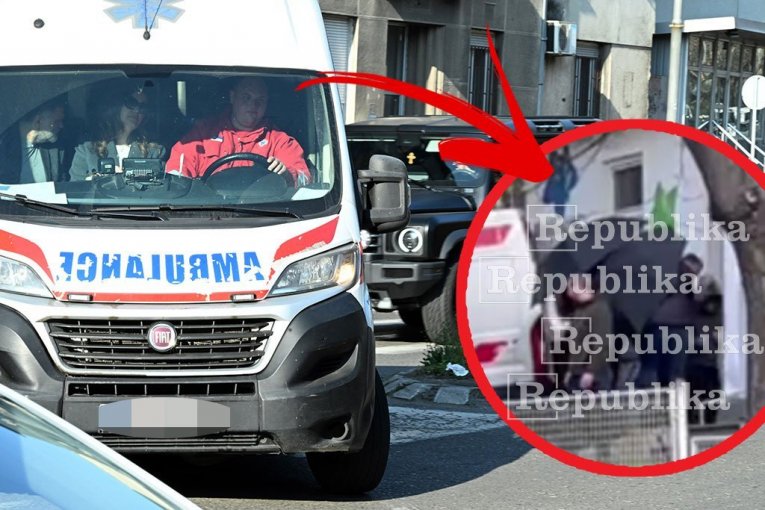



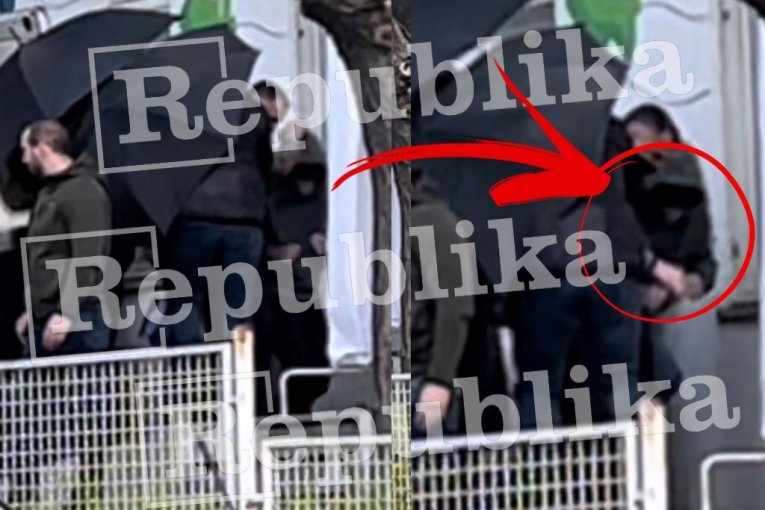
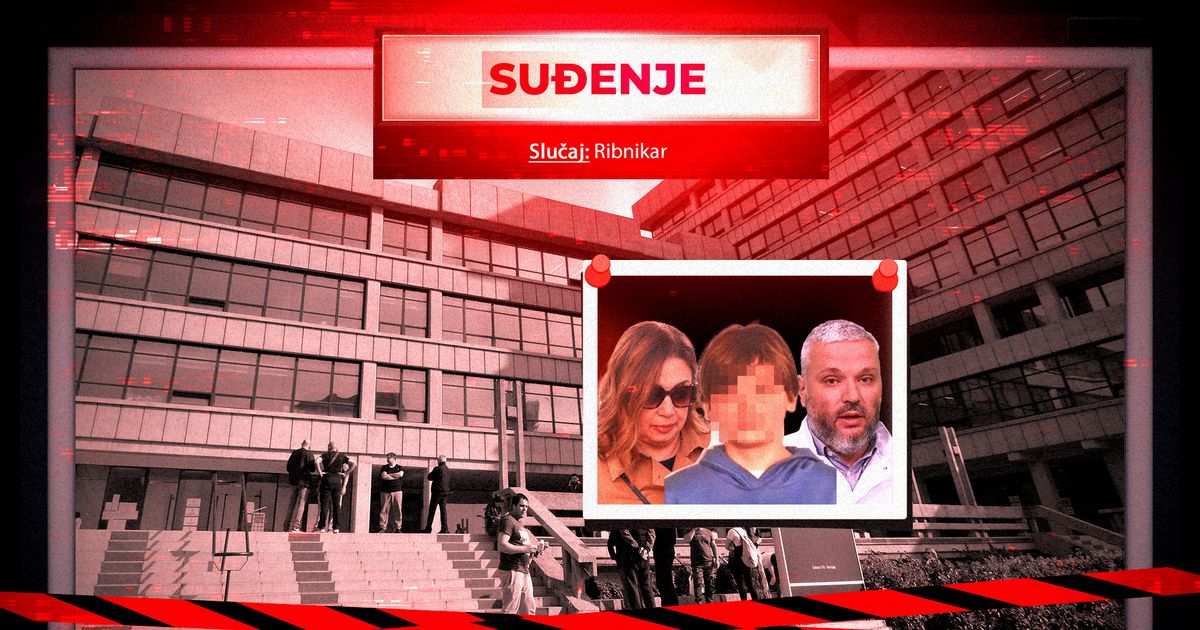
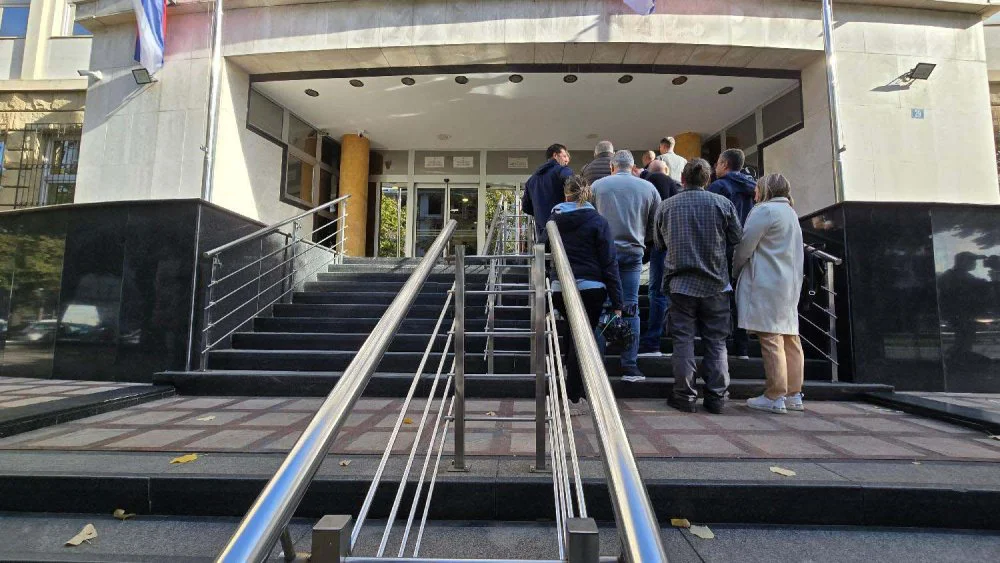
The latest hearing in the Special Court in Belgrade focused on the testimony of K.K., the underage perpetrator of the May 3, 2023 mass shooting at Vladislav Ribnikar Elementary School, in the criminal trial against his parents Miljana and Vladimir Kecmanović. Both opposition and pro‑government outlets agree that he was transported from a psychiatric clinic to the Special Court under heavy security measures, that he testified for around five hours, and that the proceedings are formally against his parents rather than him. Coverage on both sides notes that nine students and a security guard were killed and several others injured in the massacre, that parents of murdered children were present in court, and that the hearing ended with the case adjourned until a later date when additional material evidence such as documents, photos, and videos is expected to be presented.
Across the spectrum, media emphasize that the boy is not criminally liable due to his age and that responsibility is being legally tested through the parents’ alleged role in enabling access to weapons and influencing his behavior. Both sides reference his prior statements about being taken to shooting ranges and the ease of access to his father’s firearms, as well as his more recent claim that he has “matured” and reassessed what influenced his actions. There is shared framing of this testimony as central to clarifying how the crime was prepared, what the family environment was like, and whether institutional and legal reforms around gun control, school safety, and mental health oversight have been adequate since the attack. The coverage commonly presents the case as a broader societal reckoning with parental responsibility, state oversight, and systemic failures revealed by one of Serbia’s most traumatic recent crimes.
Areas of disagreement
Responsibility and blame. Opposition-aligned outlets tend to present the trial and the boy’s testimony as part of a wider pattern of systemic failure, implicitly extending responsibility from the parents to state institutions and the ruling establishment that oversaw gun policy and school safety. Pro‑government media focus responsibility tightly on the Kecmanović family, highlighting the father’s alleged role in training the boy with firearms and depicting the parents’ behavior as the main locus of fault. Opposition coverage more often frames the case as evidence that reforms after the massacre were cosmetic and politically managed, while pro‑government reporting emphasizes that the justice system is doing its job by prosecuting those immediately responsible.
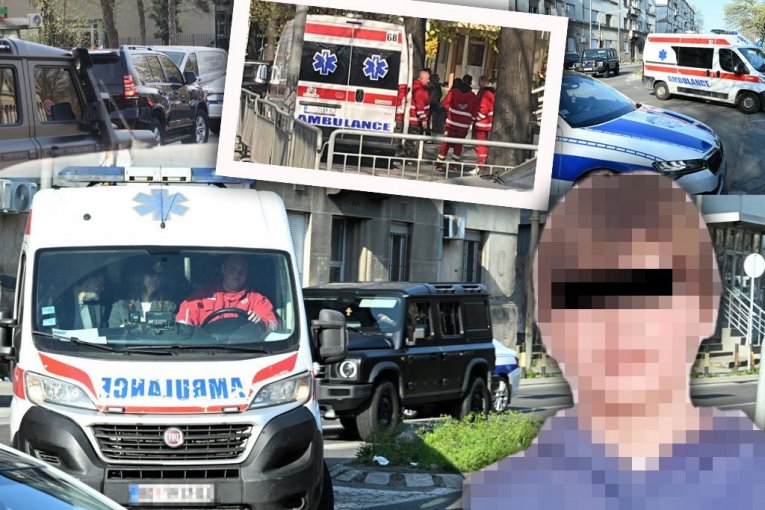
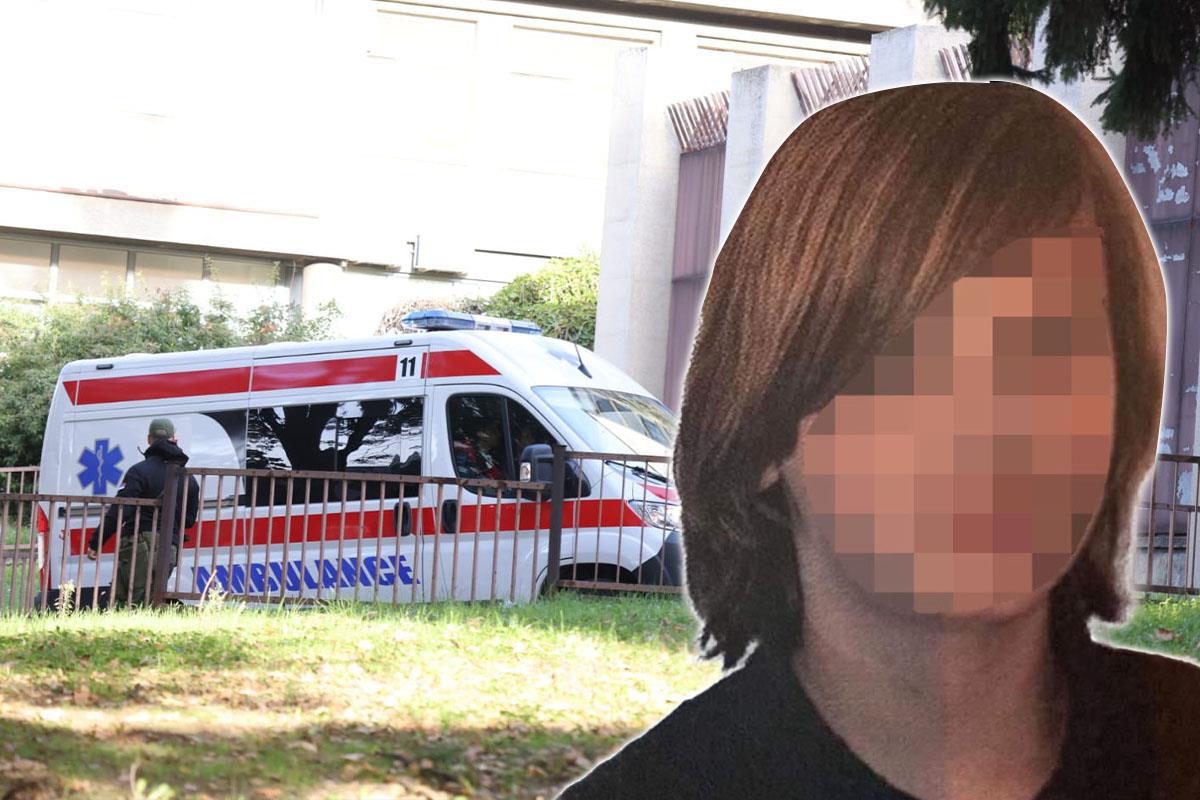
Portrayal of the testimony. Opposition sources, where they cover the hearing, largely reduce the boy’s appearance to a procedural fact in the repeated proceedings against his parents, offering fewer sensational details and stressing that he is testifying against them. Pro‑government outlets dwell on granular courtroom and transport details, describing his clothing, bulletproof vest, security convoys, and emotional reactions in the courtroom, and they foreground that he spoke for five hours and supposedly answered the “eternal question” of why he acted. While opposition coverage implies his testimony could substantiate parental and institutional negligence, pro‑government reports oscillate between claiming his statements remained consistent and stressing that he changed parts of his story to defend his parents, thereby injecting drama and doubt.
Use of emotional and security framing. Opposition-aligned media generally keep the narrative more restrained, focusing on legal procedure and the fact that parents of the murdered children attended the hearing, without elaborate descriptions of security theatrics. Pro‑government outlets repeatedly highlight the extraordinary security arrangements—two convoys, secret routes, umbrellas, screens, and police escorts—creating an atmosphere of heightened threat and gravity around the boy as a “juvenile mass murderer.” This side’s coverage also leans heavily on emotional language, describing the courtroom as shocked and the parents of victims as angered or devastated, whereas opposition reporting more often embeds the hearing in a sober critique of how the state has handled the aftermath.
Systemic context and reforms. Opposition media tie the trial to broader questions about government accountability, including whether promised reforms on gun control, school counseling, and institutional oversight have been meaningfully implemented since the Ribnikar massacre. They are more likely to hint that the focus on the parents deflects attention from deeper policy failures and political responsibility. Pro‑government outlets, by contrast, rarely foreground systemic critique; they frame the case as an isolated family tragedy and a judicial process that is steadily delivering “concrete evidence,” implicitly validating the authorities’ broader response to the shootings.
In summary, opposition coverage tends to situate the boy’s testimony within a narrative of systemic and political responsibility extending beyond the family, while pro-government coverage tends to personalize the tragedy, dramatize courtroom and security details, and concentrate blame on the parents and the perpetrator himself.
Story coverage

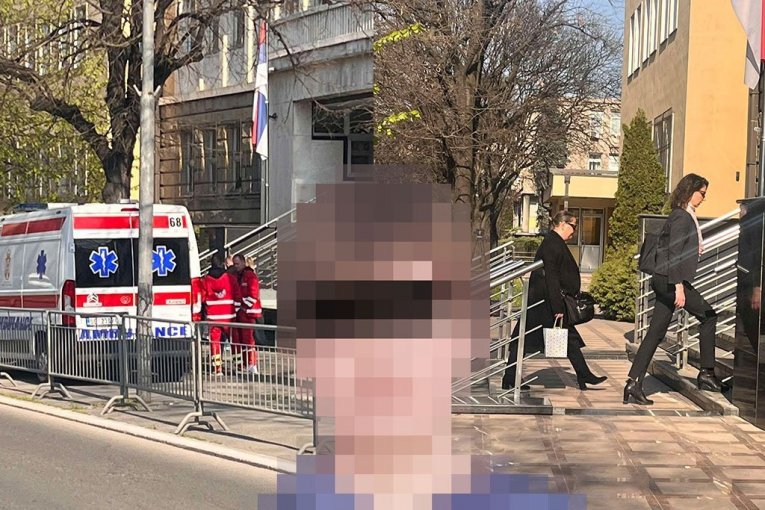
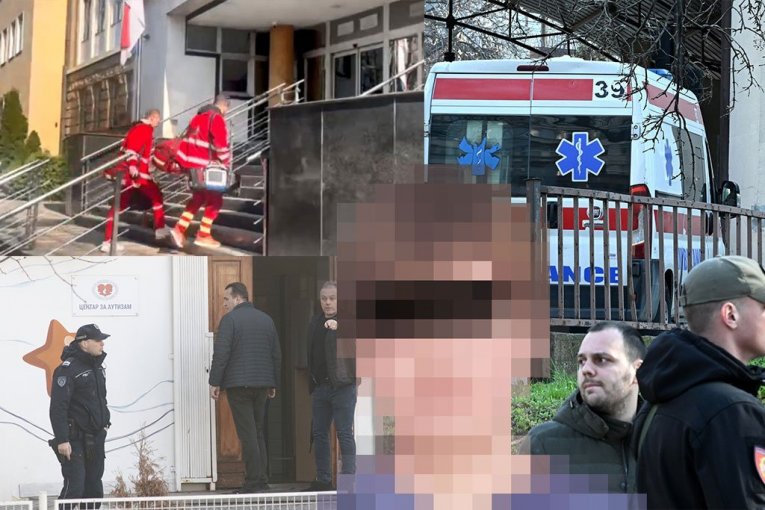




pro-government
SERBIA SEEKS ANSWER TO THE HARDEST QUESTION! After 5 Hours of Testimony
Kurir
6 days ago