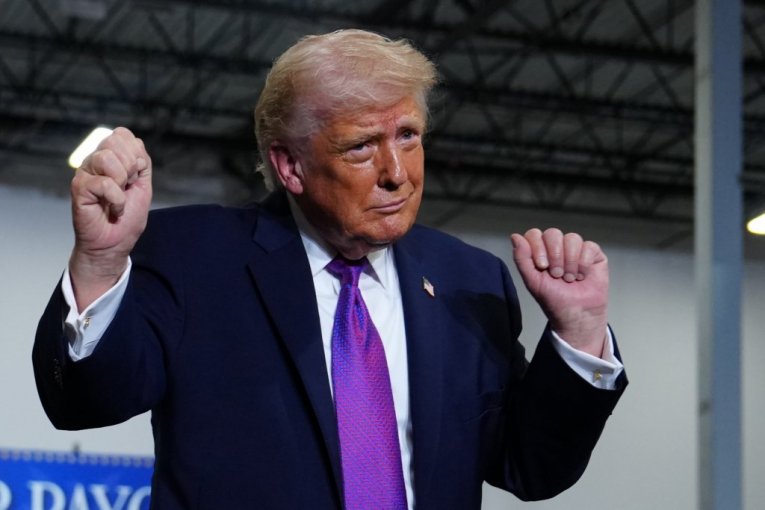

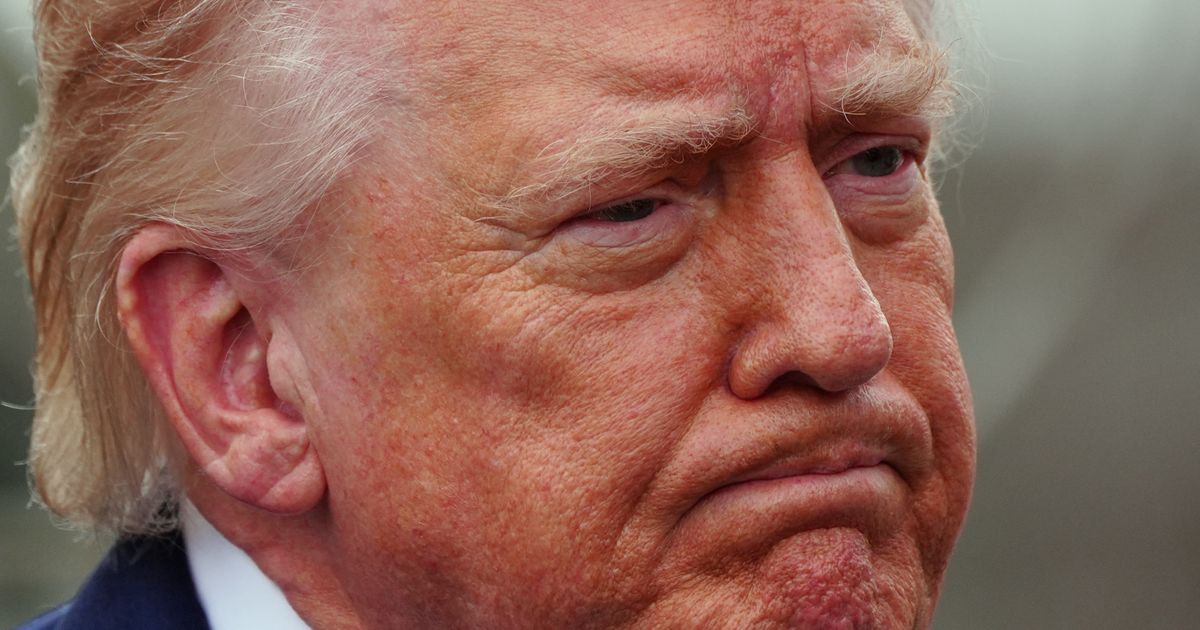
Trump’s approval rating has converged around 36% in recent polling, down a few points from roughly 40% in earlier measurements, with both opposition and pro-government sources acknowledging the drop as an all‑time or near‑record low for his presidency. Coverage from both sides agrees that the decline coincides with the ongoing war involving Iran and a sharp rise in gas and broader fuel prices, and that discontent is most evident among independents and some soft Republican voters even as core Republican support remains comparatively resilient. Reports align on the basic who/what/when facts: Trump as sitting president, a national poll or set of polls conducted in the last week, and a time window in which the approval slide is directly observable week over week.
Across outlets, the shared context emphasizes the combined pressure of foreign conflict and domestic economic strain, especially the cost of living linked to energy prices. Both opposition and pro‑government coverage describe a public mood that is increasingly skeptical of the war’s necessity and its benefits for ordinary Americans, and they connect high prices at the pump with broader concerns about inflation and economic insecurity. There is also agreement that party polarization remains intense: Republicans are still more approving than Democrats by a wide margin, but even within the president’s party there are signs of unease over the war’s duration and financial costs. Finally, both sides place this approval slump within a broader pattern in which foreign military engagements and rising consumer prices have historically eroded support for incumbent presidents.
Areas of disagreement
Responsibility and blame. Opposition‑aligned sources tend to cast Trump as primarily responsible for both the war and the spike in gas prices, arguing that his decisions unnecessarily escalated the conflict with Iran and destabilized energy markets. Pro‑government outlets, while acknowledging the same events, typically distribute responsibility more widely, citing global supply disruptions and actions by Iran or other foreign actors as key drivers. Opposition coverage often frames the 36% rating as a direct referendum on Trump’s judgment, whereas pro‑government coverage emphasizes external shocks that would have challenged any administration.
Characterization of the war. Opposition sources are more likely to describe the conflict as a reckless or avoidable “stupid war,” portraying it as strategically incoherent and driven by domestic political calculations. Pro‑government outlets may echo the phrase in a critical tone toward how the war is being managed but still incorporate language about national security imperatives or deterrence against Iran. The opposition generally highlights civilian costs and diplomatic fallout, while pro‑government coverage more often balances those concerns with claims of protecting American interests or responding to provocation.
Economic narrative and gas prices. Opposition coverage usually links high gas prices to what it depicts as Trump’s broader economic mismanagement, including sanctions policy, weakened alliances, and regulatory moves that allegedly increased volatility rather than supply. Pro‑government sources, though conceding that fuel prices hurt household budgets and poll numbers, tend to frame them as a temporary burden caused by war‑related uncertainty, OPEC behavior, and market speculation beyond Trump’s direct control. The opposition underscores working‑ and middle‑class anger as evidence of betrayed campaign promises, while pro‑government narratives stress that structural and global factors would constrain any president’s ability to keep prices low.
Significance of the approval drop. Opposition outlets portray the 36% figure as a pivotal warning sign that Trump is losing the political center and even parts of his base, suggesting it may jeopardize his reelection prospects or legislative agenda. Pro‑government coverage, by contrast, often minimizes the long‑term importance of the number, presenting it as a snapshot affected by intense media negativity and wartime anxiety that could rebound if the conflict stabilizes or prices ease. Where the opposition frames the trend as part of a sustained downward trajectory, pro‑government sources tend to emphasize the president’s still‑strong standing among Republicans and the potential for a political recovery.
In summary, opposition coverage tends to treat Trump’s 36% approval as a direct indictment of his choices on war and the economy and a sign of deepening political vulnerability, while pro-government coverage tends to acknowledge the slump but attribute it largely to external shocks and transient public frustration that may not fundamentally weaken his political position.