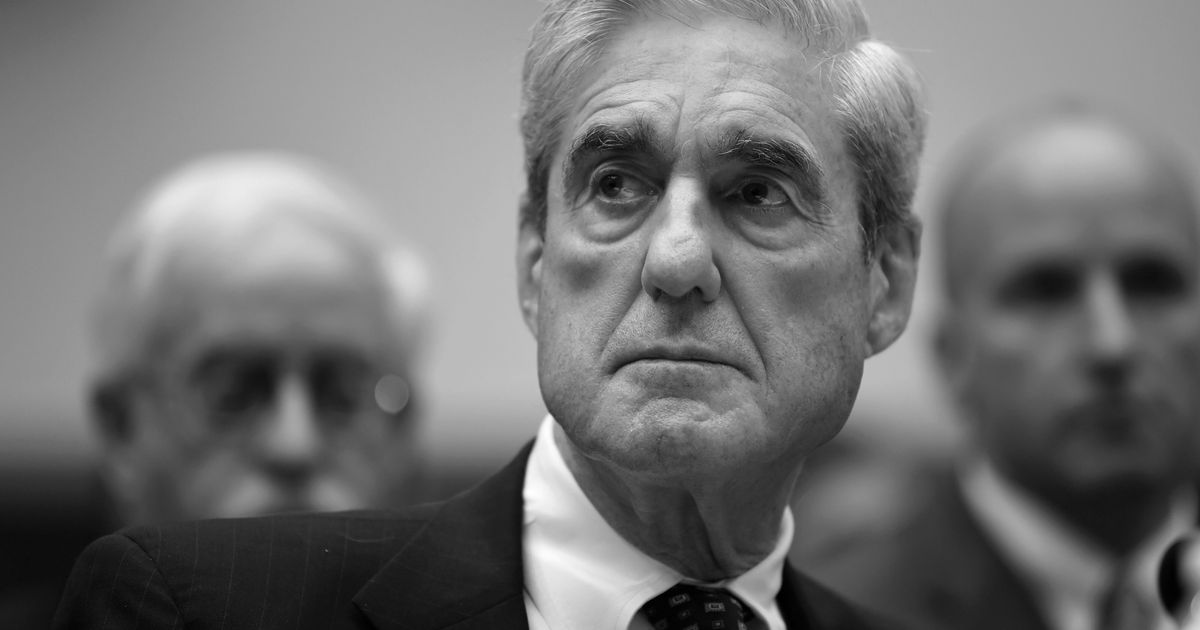

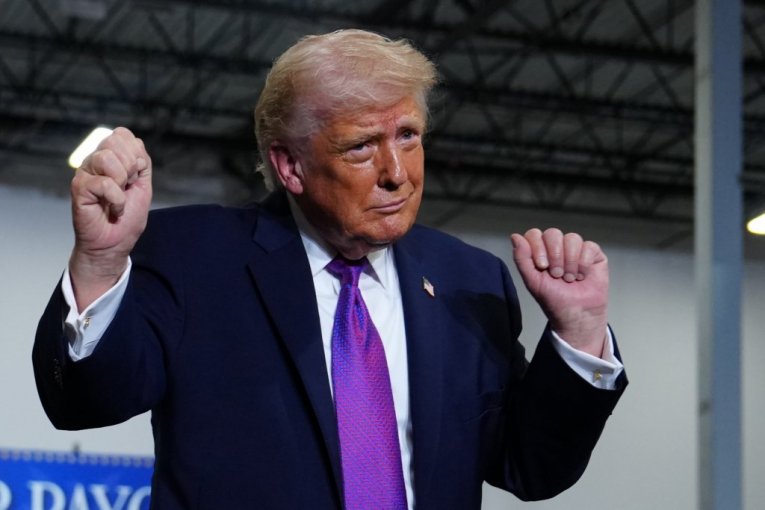
Former FBI Director and Special Counsel Robert Mueller has been reported dead at the age of 81, with coverage across outlets agreeing on his central institutional roles and basic biographical facts. Both opposition and pro-government sources concur that Mueller led the FBI from 2001 to 2013, spanning administrations of both major parties, and later served as Special Counsel to investigate Russian interference in the 2016 U.S. presidential election. They place his death in the context of his long public career in federal law enforcement and national security, and note that Donald Trump publicly reacted on social media, expressing satisfaction at the news and characterizing Mueller as harmful to innocent people. The fact that Trump’s reaction has become a major news hook is also broadly acknowledged on both sides, even as they frame it differently.
Across the spectrum, outlets describe Mueller as a pivotal figure in the post‑9/11 transformation of the FBI, highlighting his leadership in shifting the bureau’s focus toward counter‑terrorism and internal reforms. Coverage also converges on his role in overseeing the high‑profile investigation into 2016 election interference and possible links to the Trump campaign, presenting that probe as a defining episode of his later career. Both opposition and pro‑government media recognize that his appointments under presidents from both parties made him an unusually cross‑partisan institutional actor, and they broadly agree that his death closes a significant chapter in recent U.S. political and security history, even as they diverge on how his legacy should be judged.
Areas of disagreement
Evaluation of Mueller’s legacy. Opposition‑aligned outlets emphasize Mueller as a dutiful institutionalist who modernized the FBI after 9/11 and conducted the Russia investigation within legal constraints, often portraying him as restrained rather than partisan. Pro‑government sources instead highlight what they call a record of political abuses, arguing that his tenure and later special counsel work damaged civil liberties and unfairly targeted Trump and his associates. While opposition coverage tends to use language of service and professionalism, pro‑government coverage stresses alleged overreach and frames his death as the end of an era of politicized law enforcement.
Framing of the Russia investigation. Opposition coverage typically describes the Russia probe as a necessary inquiry into foreign interference and potential misconduct, underscoring indictments and documented contacts as evidence that the investigation was justified even if it did not recommend charges against Trump for conspiracy. Pro‑government outlets portray the same investigation as a baseless or exaggerated operation rooted in partisan motives and flawed intelligence, often calling it a witch hunt or hoax that validated Trump’s grievances. As a result, opposition media cast Mueller’s work as a defense of electoral integrity, whereas pro‑government media present it as emblematic of a weaponized security apparatus.
Portrayal of Trump’s reaction. Opposition‑aligned sources tend to depict Trump’s celebratory response to Mueller’s death as unbecoming, cruel, or norm‑breaking for a former president, framing it as a further assault on institutional respect and basic decency. Pro‑government outlets, by contrast, often echo or justify Trump’s sentiment, arguing that his harsh words reflect justified anger over years of persecution and that Mueller’s passing removes a figure they claim endangered innocent people. In this telling, Trump’s reaction is presented less as moral failure and more as understandable vindication.
Tone toward U.S. institutions. Opposition coverage generally uses Mueller’s career to reinforce a narrative of imperfect but necessary institutions, suggesting that independent investigations and post‑9/11 reforms demonstrate a capacity for self‑correction within the U.S. system. Pro‑government sources are more likely to fold Mueller’s story into a broader critique of the "deep state" or entrenched bureaucracies, portraying his FBI and special counsel roles as proof that intelligence and law‑enforcement bodies can be mobilized against elected leaders and dissenting political forces. This leads opposition outlets to defend the legitimacy of institutional checks, while pro‑government outlets urge skepticism toward those same structures.
In summary, opposition coverage tends to memorialize Mueller as a flawed but fundamentally professional guardian of institutions whose work on Russia and counter‑terrorism was broadly legitimate, while pro‑government coverage tends to cast him as a symbol of politicized law enforcement whose death vindicates long‑standing grievances about an abusive security establishment.