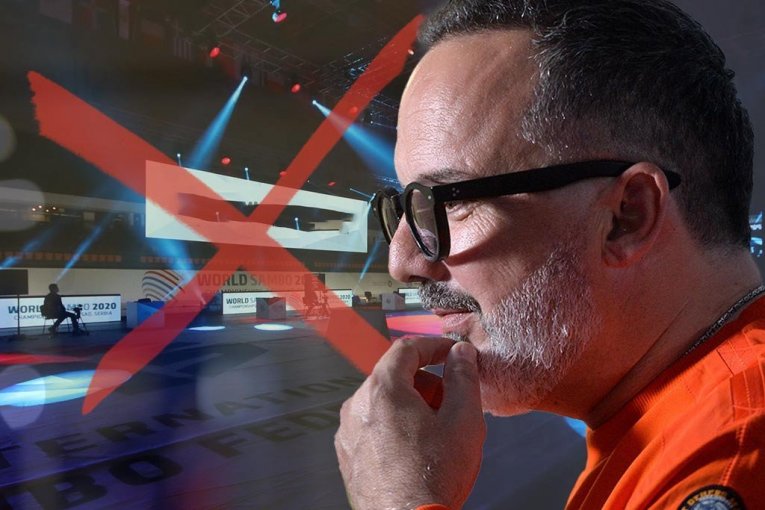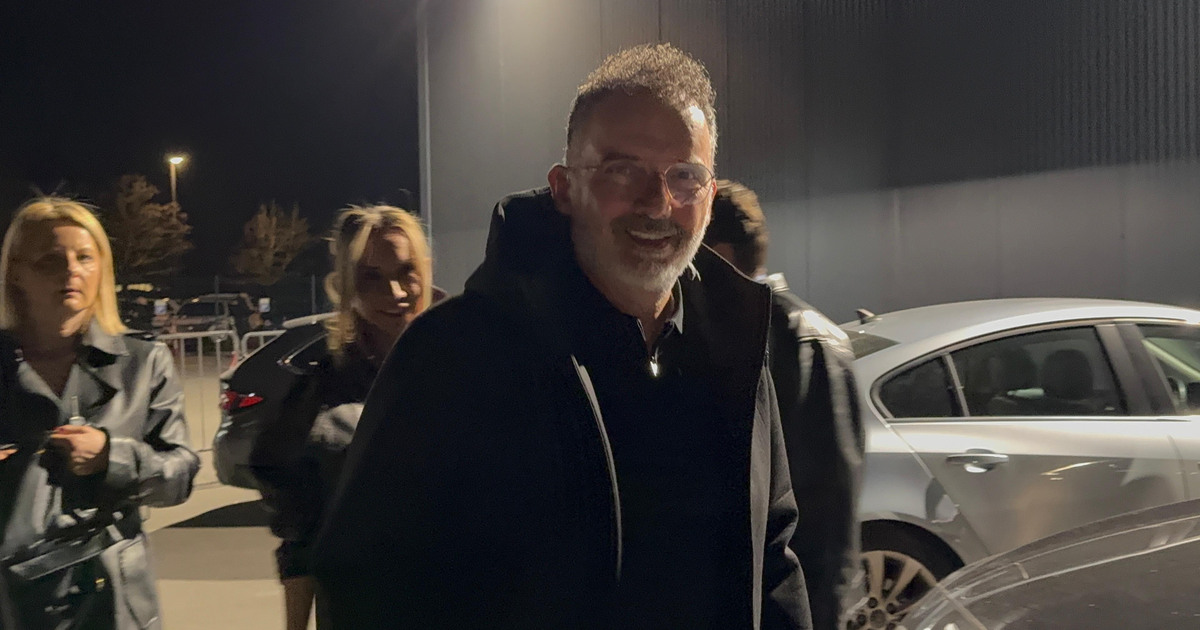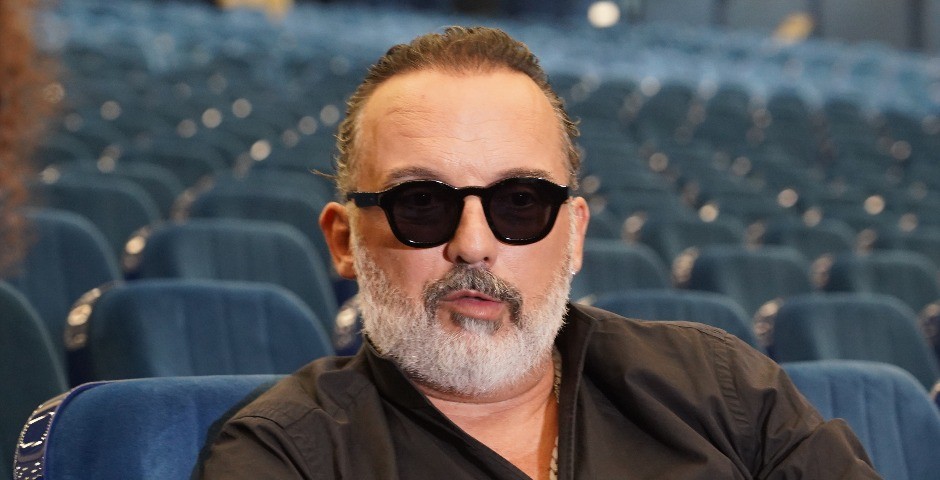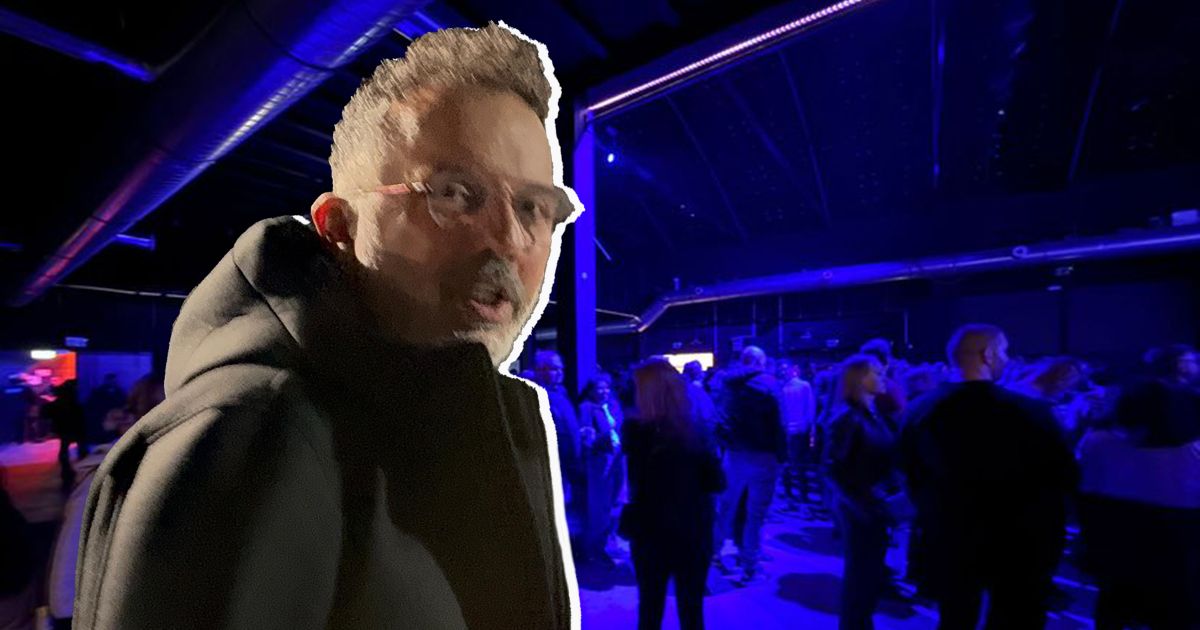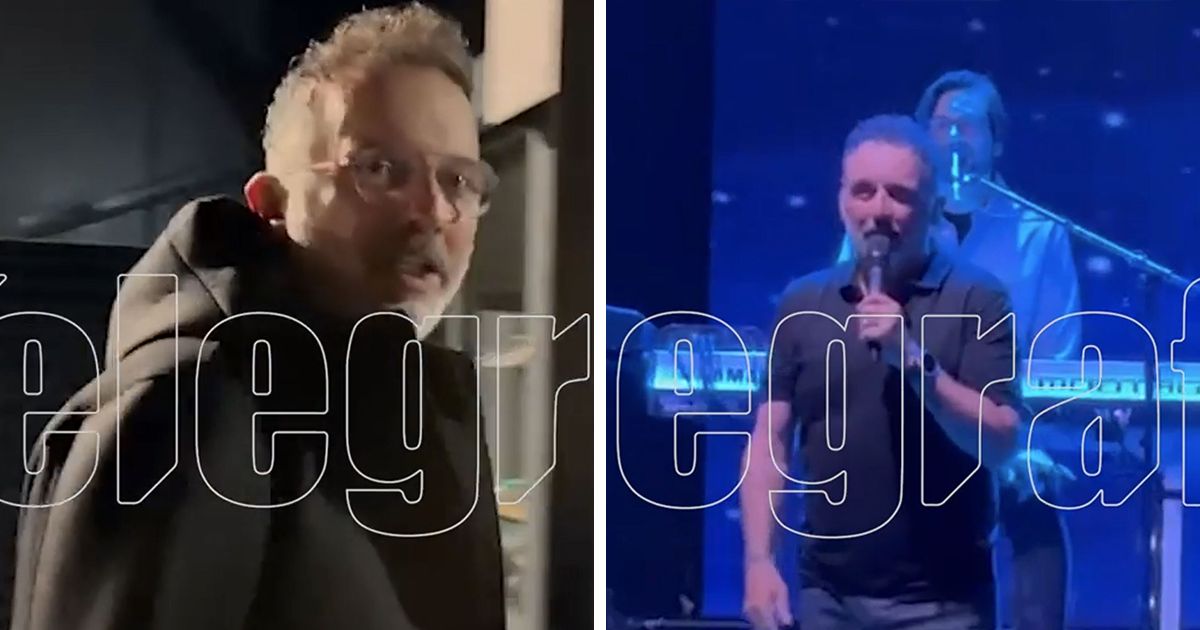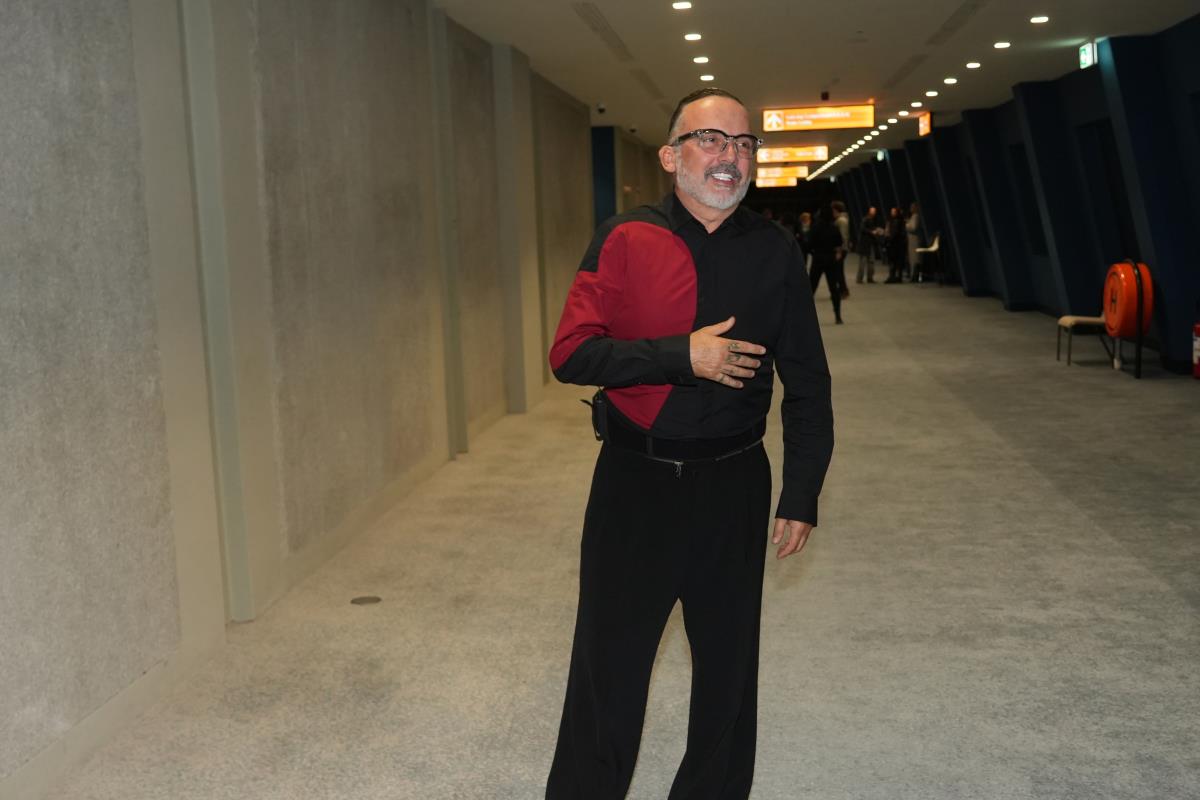



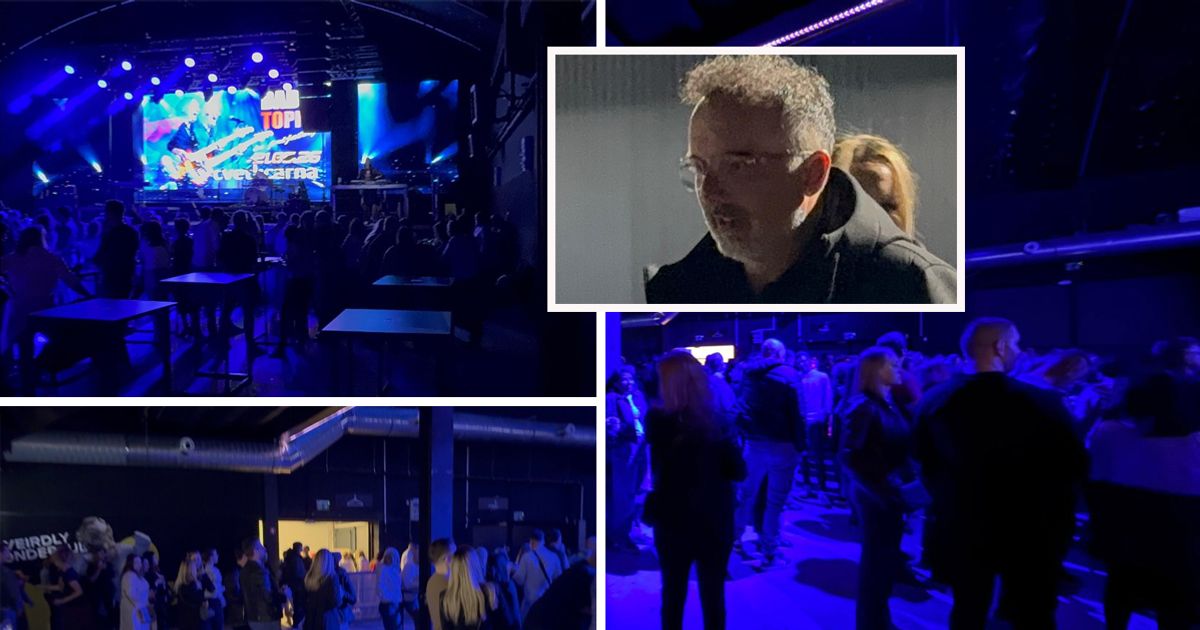
Toni Cetinski’s concert in Ljubljana on March 21 at the Media Center was delayed by roughly an hour, with the singer reportedly arriving around 9:30 PM for a show scheduled at 9 PM and starting close to 10 PM. Both opposition-aligned and pro-government outlets agree that the audience, in a hall that can hold about 3,000 people but was only about half full with the upper tier closed, audibly booed and expressed dissatisfaction because of the delay, and that this concert came soon after he canceled a planned March 8 performance in Novi Sad where several thousand tickets had already been sold.
Across the spectrum, coverage notes that Cetinski justified the Novi Sad cancellation by citing painful memories of the 1990s war connected to the venue and that this explanation stirred controversy in Serbia. There is also consensus that, when asked in Ljubljana whether he would apologize to the Serbian public, he replied evasively with phrases like “Maybe… maybe one day!”, and that his team is simultaneously marketing an upcoming Zagreb concert with patriotic overtones at a time of visibly weaker ticket demand and questions over his regional standing.
Areas of disagreement
Responsibility and blame. Opposition-aligned sources typically frame the booing and low turnout in Ljubljana as a broader reflection of public frustration with regional nationalism and poor artist–audience communication, criticizing both Cetinski’s handling and the politicization of his statements. Pro-government outlets, by contrast, emphasize Cetinski’s personal culpability, characterizing his Novi Sad cancellation as a deliberate insult to Serbian fans and portraying the Ljubljana booing as deserved backlash for his earlier “shameful decision” and disrespectful tardiness.
Interpretation of the Novi Sad cancellation. Opposition media tend to present Cetinski’s reference to wartime trauma as clumsy but rooted in genuine personal memories, sometimes stressing the complexity of performing in spaces marked by the 1990s conflicts. Pro-government coverage instead highlights the same explanation as an anti-Serb provocation, suggesting it weaponizes past war narratives against Serbian audiences and disputing the sincerity of invoking trauma when a lucrative, nearly sold-out concert was involved.
Political and national overtones. Opposition outlets usually argue that the incident reveals how nationalist framing on all sides constrains cultural exchange, and they are more likely to downplay or critique the “patriotic” branding of Cetinski’s Zagreb concert as a marketing ploy. Pro-government outlets accentuate that patriotic packaging as hypocritical, casting Cetinski as someone who insults Serbs while rallying Croatian patriotism at home, using the contrast to reinforce their own narrative about regional ingratitude and disrespect toward Serbian citizens.
Public reaction and significance. Opposition coverage is inclined to read the half-empty hall and booing as signs of wider audience fatigue with scandals, delays, and symbolic disputes, arguing that fans primarily wanted professionalism rather than political drama. Pro-government outlets, however, underscore those same images as evidence that Cetinski is being specifically punished by the public for offending Serbs, treating the Ljubljana response and reported weak Zagreb sales as a moral verdict rather than just a consumer reaction.
In summary, opposition coverage tends to treat the Ljubljana booing and Novi Sad cancellation as symptoms of deeper regional tensions and mismanagement that should be de-escalated, while pro-government coverage tends to personalize the episode as Toni Cetinski’s affront to Serbian audiences, using it to underline narratives of national insult and justified backlash.
Story coverage