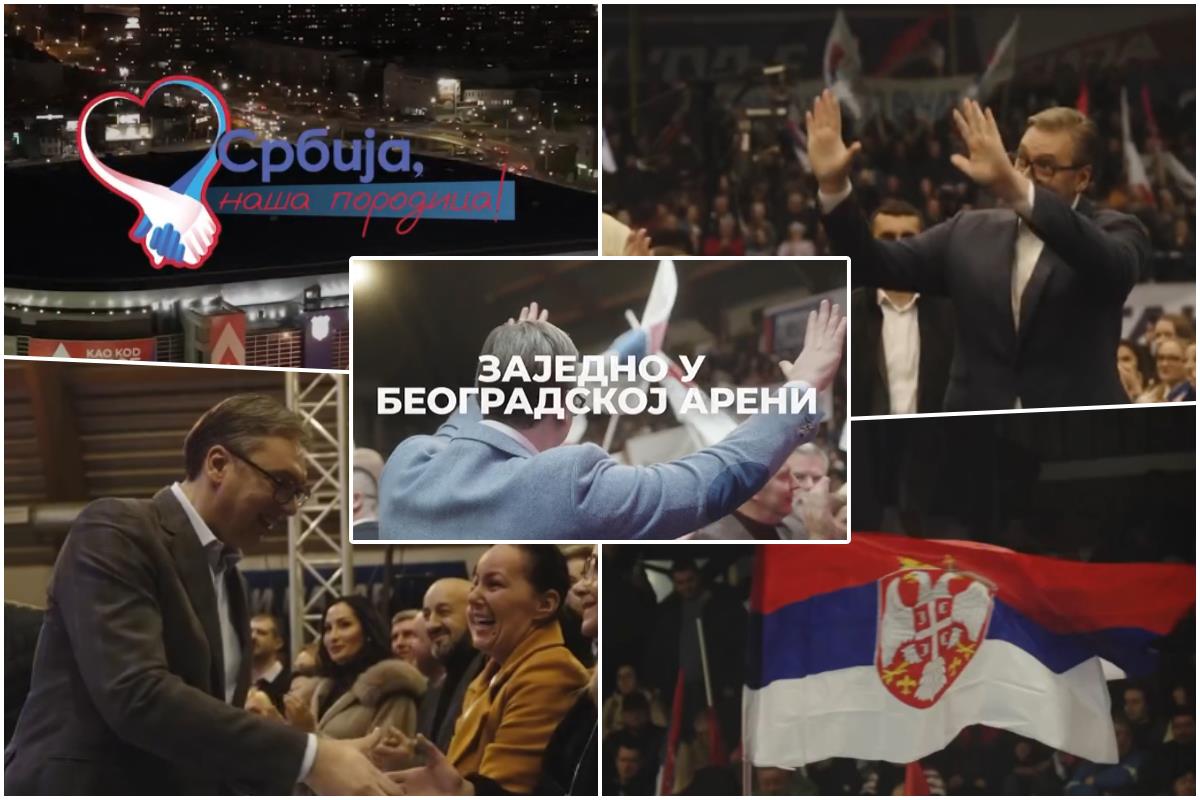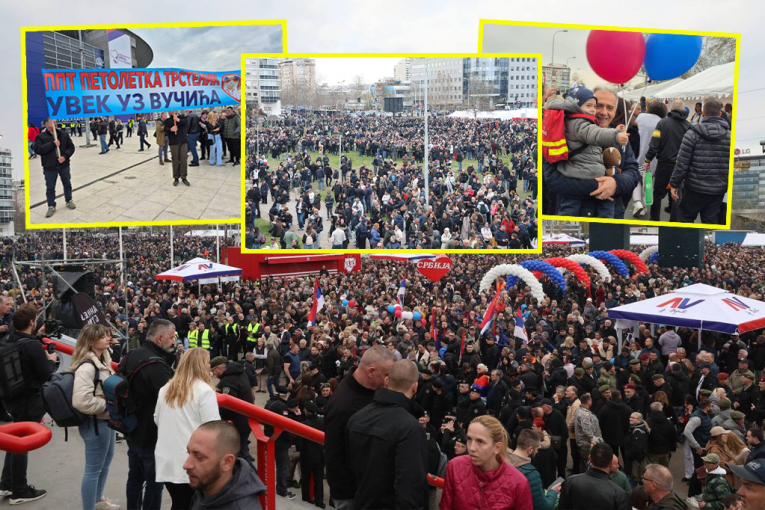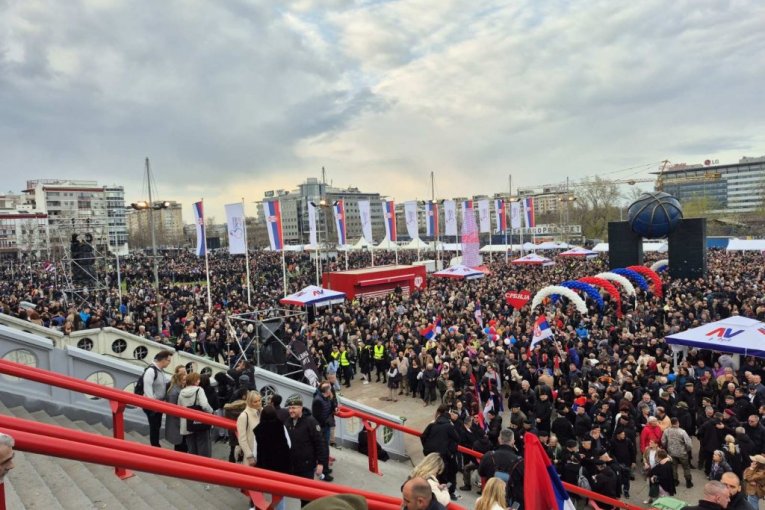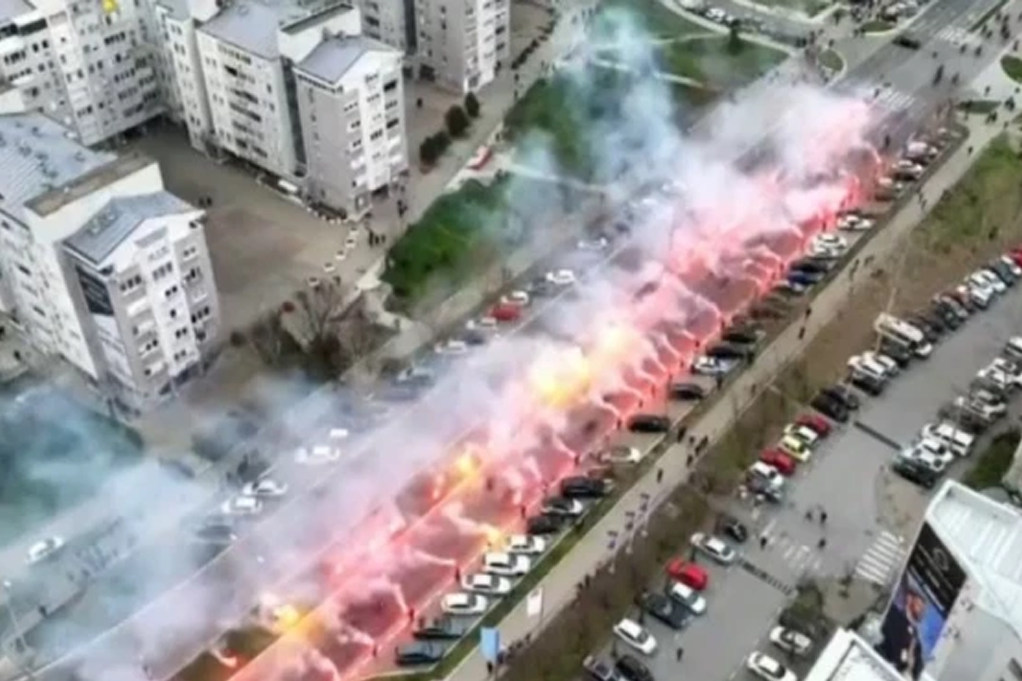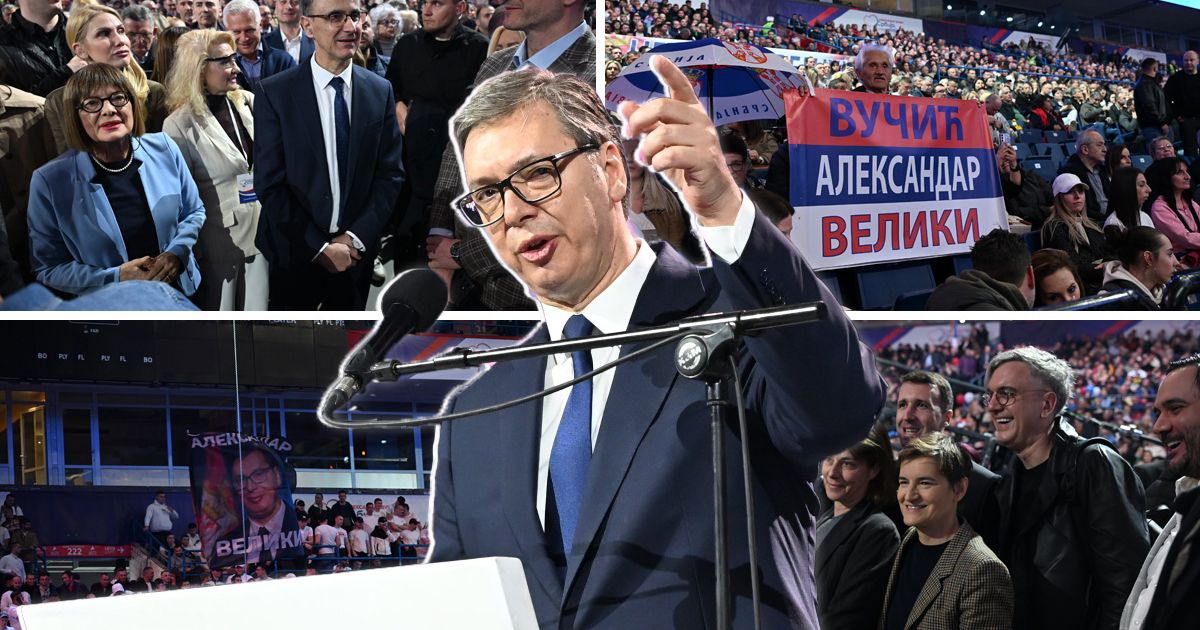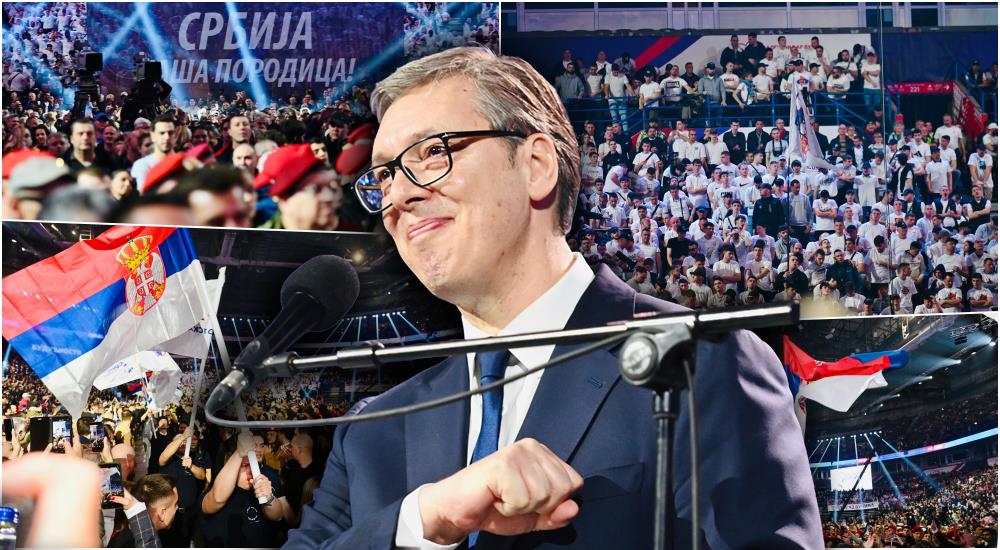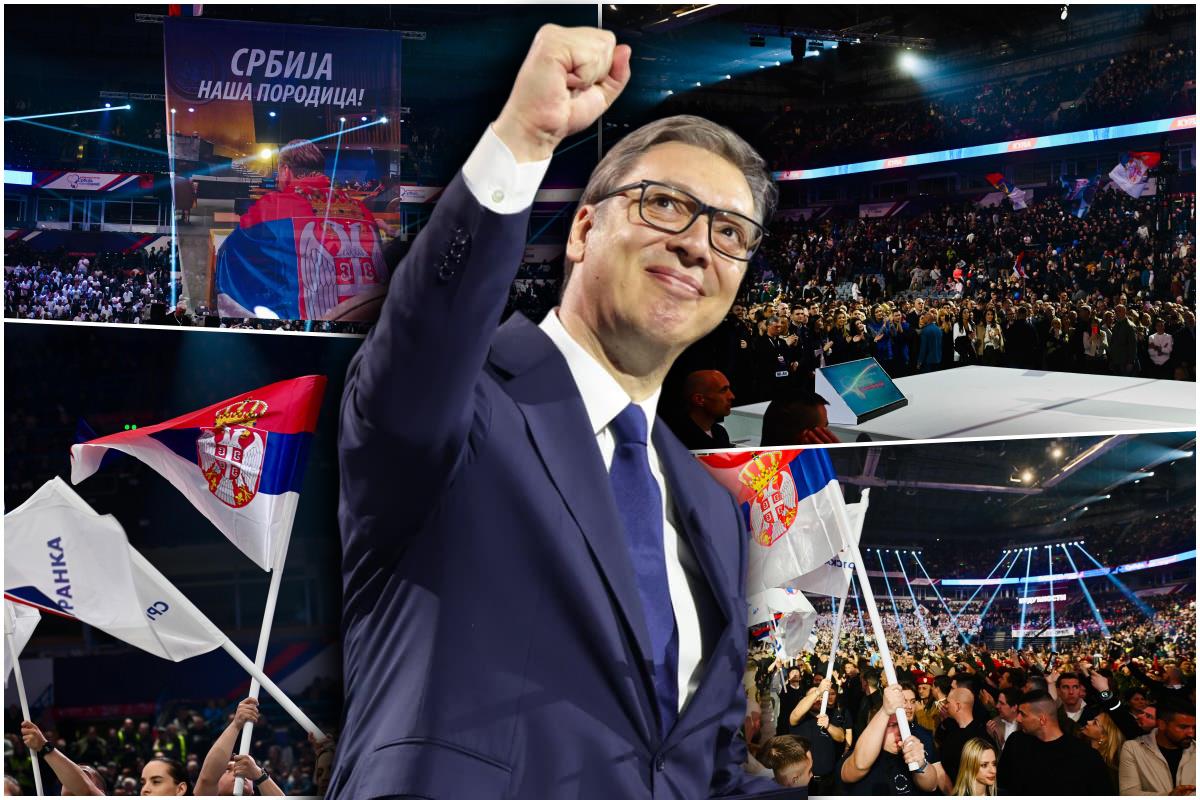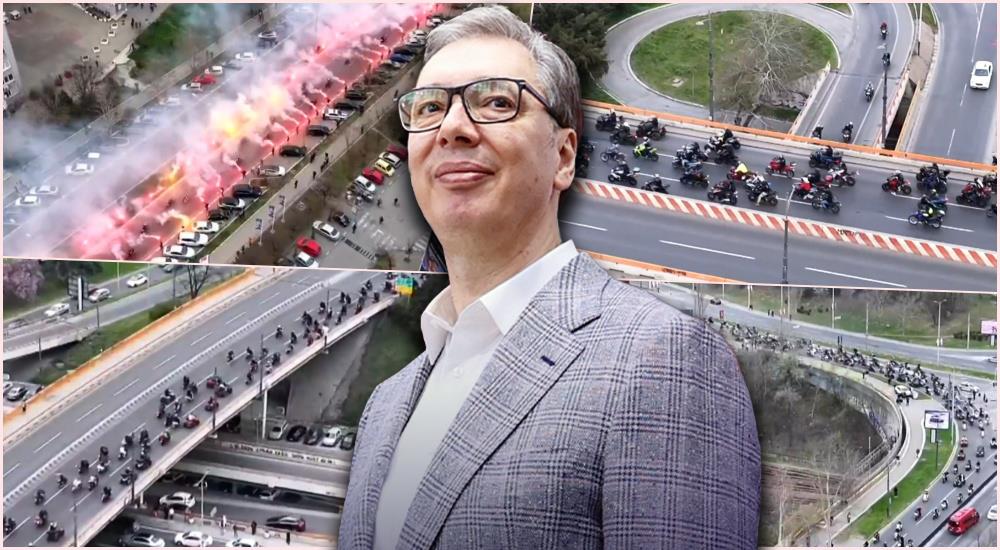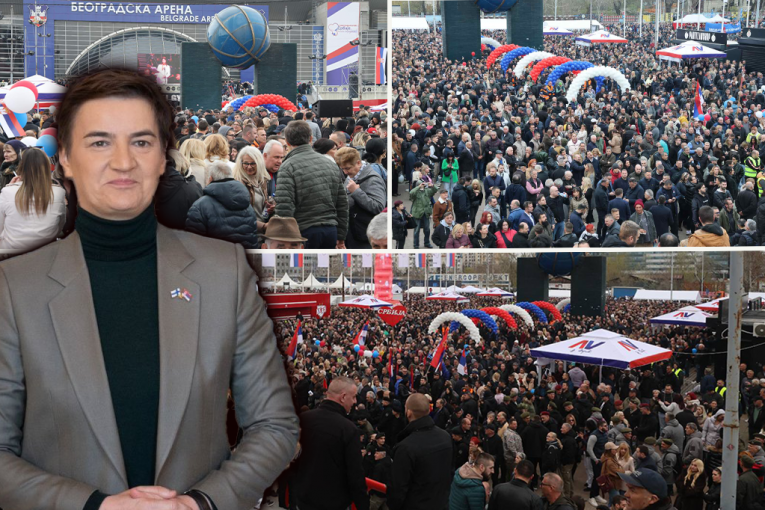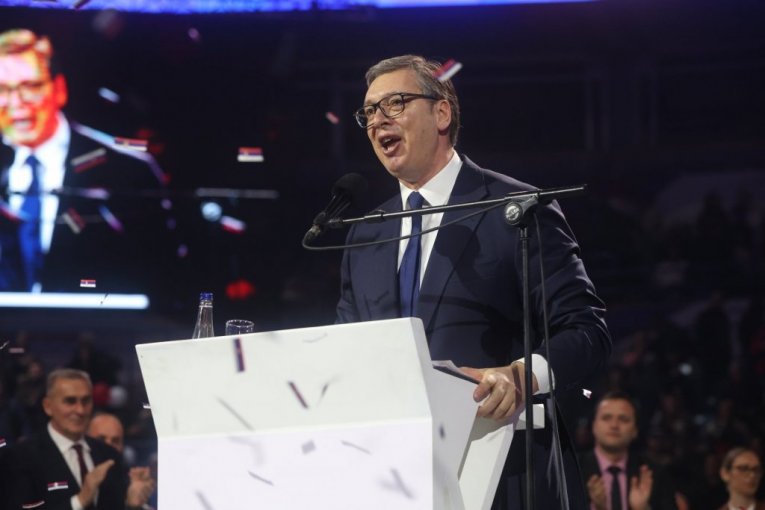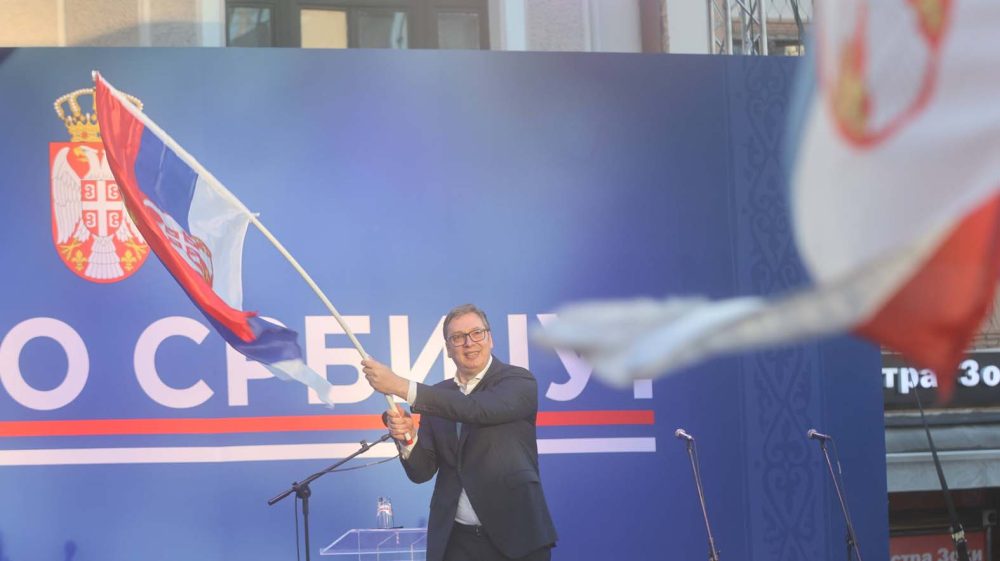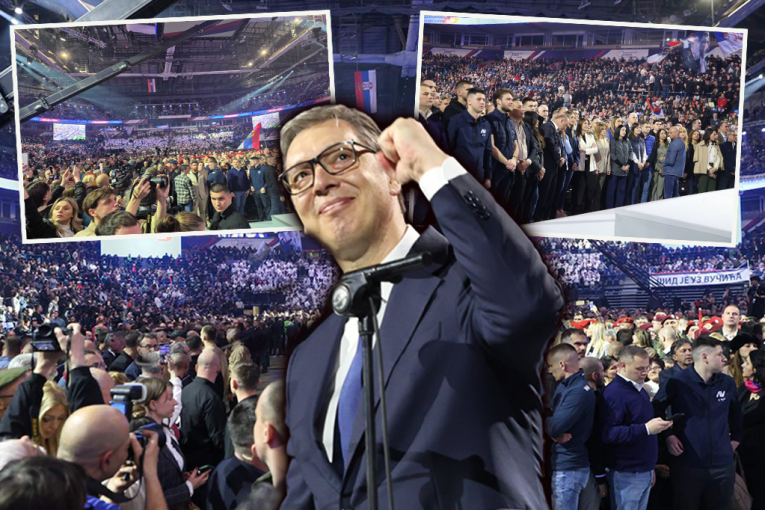


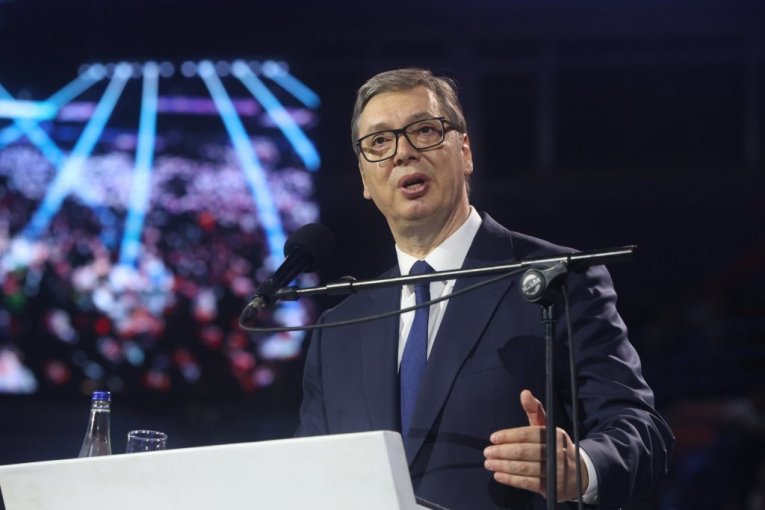
The Serbian Progressive Party held a major pre-election rally in Belgrade Arena on March 21, starting with a pre-show around 16:00 and a main program later in the evening, where President Aleksandar Vučić and SNS leadership presented their local election lists and long-term development platform under slogans such as "Serbia – Our Family" and "Serbia 2030–2035". Both opposition and pro-government outlets agree that Vučić was the central speaker, that the event served to introduce candidates for local elections scheduled for March 29 in around ten municipalities, and that the gathering featured a large turnout with organized arrivals from other cities, notably several thousand supporters from Niš and a prominent escort of roughly 2,000 motorcyclists accompanying Vučić to the venue.
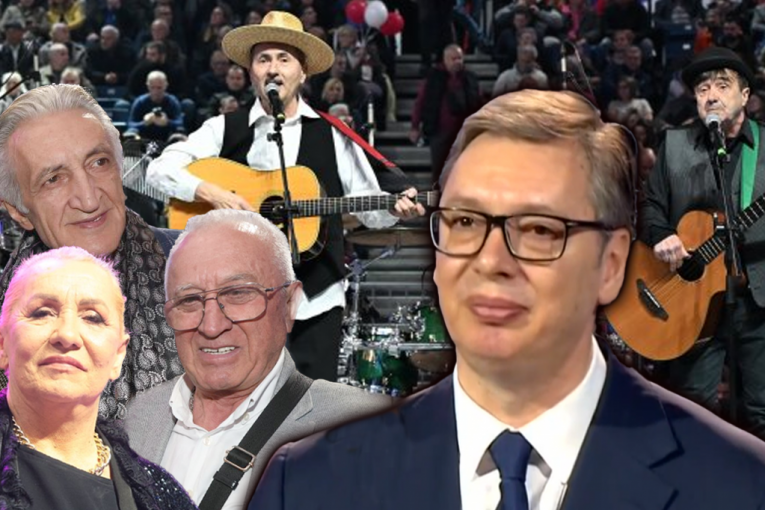
Across the spectrum, coverage acknowledges that the rally was positioned as a showcase of SNS’s vision for Serbia’s future, with emphasis on economic growth, social stability, and the idea of Serbia as an independent, militarily neutral state that protects its interests in Kosovo and supports Republika Srpska. Reports from both sides note that the Ministry of Interior publicly stated that the event passed peacefully and that police had implemented preventive measures, and they concur that the rally blended political speeches with a show-like atmosphere including musical performances and appearances by public figures to energize supporters ahead of the local elections.
Areas of disagreement
Scale and spontaneity of support. Pro-government media describe the rally as a historic, unprecedented gathering, citing police or official figures of roughly 60,000 to 70,000 people in and around the Arena and emphasizing overflowing halls, crowds outside, and euphoric scenes as proof of genuine popular enthusiasm. Opposition-aligned outlets, while not disputing that the event was large, focus instead on quotas assigned to towns like Niš and on the organized busing of public-sector employees, suggesting attendance was heavily orchestrated and down from previous years. They frame the scale less as an organic outpouring and more as a managed show of strength under party discipline.
Nature of mobilization and pressure. Opposition sources highlight instructions and obligations for SNS members and supporters to attend, raising concerns about potential pressure on employees of public companies and implying that participation may be tied to job security or clientelist expectations. Pro-government outlets omit any mention of coercion, portraying mobilization as a voluntary act by citizens eager to support policies of stability and progress and to “fight for Serbia’s future.” The result is a stark contrast between a narrative of compelled attendance and one of enthusiastic civic engagement.
Political meaning and messaging. Pro-government coverage frames the rally as a victory for an independent and free Serbia, stressing themes of national unity, responsibility, economic advancement, and a forward-looking Serbia 2030–2035 agenda, and depicting Vučić’s speech as statesmanlike and visionary. Opposition-aligned reporting focuses more on the event as an election campaign spectacle meant to pre-empt accusations of manipulation and to project inevitability of SNS victory, treating the same slogans as recycled and primarily aimed at consolidating power. Where loyalist media see the rally as proof that citizens back current policies, critical outlets see it as part of a broader strategy to dominate the media space and demoralize the opposition.
Electoral implications and integrity. Pro-government outlets present the rally as legitimate democratic campaigning ahead of local elections, highlighting the formal presentation of lists and calls for high turnout as an expression of the people’s will. Opposition coverage, by contrast, situates the event within a context of previous disputes over electoral fairness, predicting that massive, highly staged gatherings will be used to claim a mandate and deflect criticism about irregularities or misuse of state resources. While loyalist media mostly ignore such concerns, opposition sources treat the rally as a prelude to contested results and potential allegations of manipulation.
In summary, opposition coverage tends to portray the Belgrade Arena rally as a heavily stage-managed show of power built on pressured mobilization and aimed at entrenching SNS dominance, while pro-government coverage tends to depict it as a spontaneous, record-breaking demonstration of popular support for Vučić’s leadership and Serbia’s chosen path of stability, independence, and future-oriented reforms.
Story coverage