
Iran launched a ballistic missile attack toward Jerusalem in which at least one missile was intercepted over the city, with fragments falling into the Old City, specifically in or near a parking area in the Jewish Quarter close to the Western Wall. Both opposition and pro-government aligned coverage agree that there was a loud explosion, visible damage to vehicles and nearby structures, and at least one person injured by shrapnel who was taken to hospital. They concur that air-raid sirens sounded across Jerusalem before impact, that Israeli air defenses engaged the incoming projectile, and that the event was recorded on video showing the blast and ensuing confusion among residents and visitors. The reports also agree the strike was a rare direct Iranian attack on Jerusalem itself rather than via proxy forces, and that Israeli security and bomb disposal teams moved in quickly to secure and inspect the impact site.
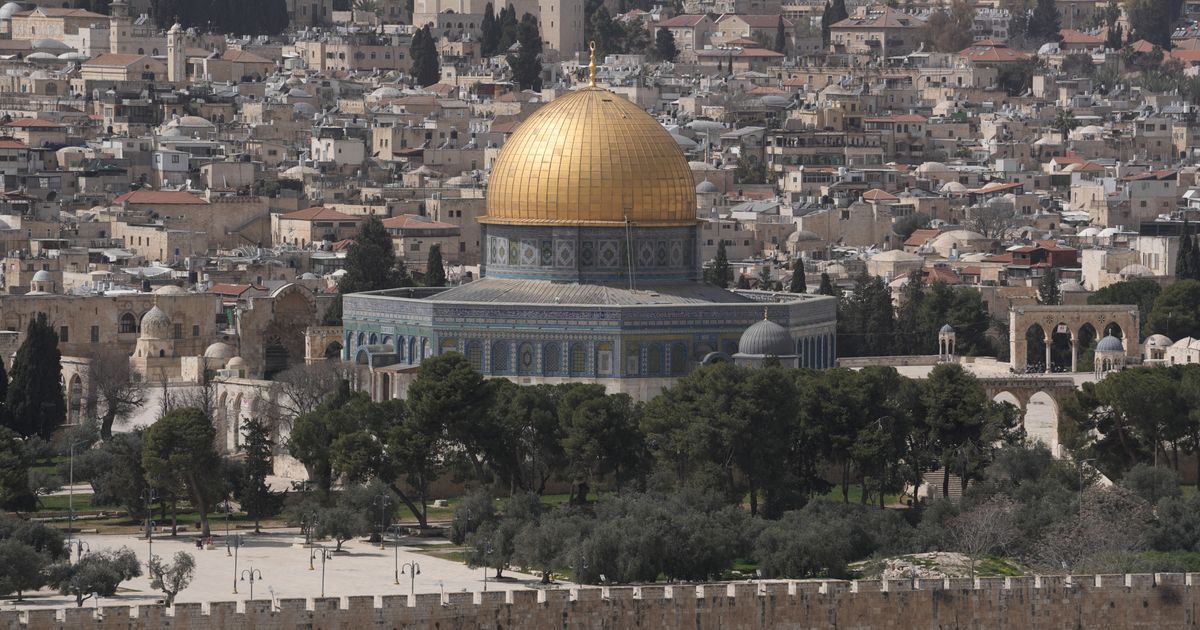
Across sources, there is shared acknowledgment that the incident occurred in the Old City, a highly sensitive religious and historical area that is home to key Jewish, Christian, and Muslim holy sites, heightening fears of wider escalation. Coverage agrees that the timing coincided with Eid al-Fitr, the holiday marking the end of Ramadan, when the city was already tense and more crowded than usual with worshippers and tourists. Both sides reference longstanding Iran-Israel hostilities and the broader regional confrontation, positioning the attack within a pattern of Iranian missile and drone activity directed at Israeli territory and Israel’s reliance on multilayered air-defense systems. There is also broad agreement that the episode will feature in diplomatic and security deliberations, influencing debates over deterrence, proportional response, and the risk of the conflict spilling further into the heart of contested Jerusalem.
Areas of disagreement
Framing of the attack. Opposition-aligned outlets tend to describe the strike as a dangerous but largely symbolic show of force aimed more at political signaling than at causing mass casualties, sometimes questioning whether Jerusalem’s Old City was the intended precise target or a byproduct of a broader barrage. Pro-government sources, by contrast, frame it as a deliberate and horrific attack on one of Judaism’s holiest and most densely visited areas, emphasizing the rarity and shock of a direct Iranian missile over Jerusalem. Opposition reporting often stresses that interception worked and casualties were limited, treating the event as part of a longer pattern of tit-for-tat actions. Pro-government coverage focuses on the emotional impact of the explosion and chaos in the Old City to underline the severity of the threat posed by Iran.
Culpability and intent. Opposition narratives, while not disputing that the missile came from Iran, are more likely to highlight the broader cycle of regional escalation, referencing prior Israeli actions and mutual deterrence dynamics as part of explaining why Iran acted now. Pro-government outlets sharply personalize responsibility, depicting the Iranian leadership and its military apparatus as solely and unequivocally to blame for endangering civilians and sacred sites. Opposition coverage may allude to Iranian claims of targeting military or strategic interests to maintain some ambiguity about intent. Pro-government coverage, however, portrays the impact near the Western Wall as evidence that Iran is willing to strike civilian and religious landmarks at the heart of Jewish life.
Portrayal of impact and risk. Opposition-focused reporting tends to underscore that physical damage was contained, only one person was injured, and that air defenses performed effectively, thus framing the incident as serious but controlled. Pro-government outlets stress the psychological trauma, the proximity to worshippers, and the potential for mass casualties had interception failed, elevating the sense of existential danger. While opposition sources may briefly note images of damaged cars and cordoned-off areas, they often pivot quickly to technical and strategic analysis. Pro-government reporting lingers on visual footage of the explosion and the panic in narrow Old City streets to convey an atmosphere of terror and vulnerability.
Policy implications and next steps. Opposition coverage is more inclined to debate whether Israeli or allied responses should be calibrated to avoid wider war, raising questions about proportionality, international mediation, and the risk of drawing more regional actors into direct confrontation. Pro-government sources more prominently call for a strong retaliatory posture and tighter security measures in and around Jerusalem, highlighting the need to reinforce deterrence against Iran and its allies. Opposition voices may invoke international law, diplomatic channels, and domestic criticism of leadership decision-making in managing the crisis. Pro-government narratives prioritize unity behind the government and security establishment, treating the attack as justification for hard-line policies and expanded defensive and possibly offensive actions.
In summary, opposition coverage tends to place the missile incident within a broader cycle of regional escalation, emphasizing limited casualties and strategic context, while pro-government coverage tends to highlight the emotional shock, direct Iranian culpability, and the need for a firm security-focused response.