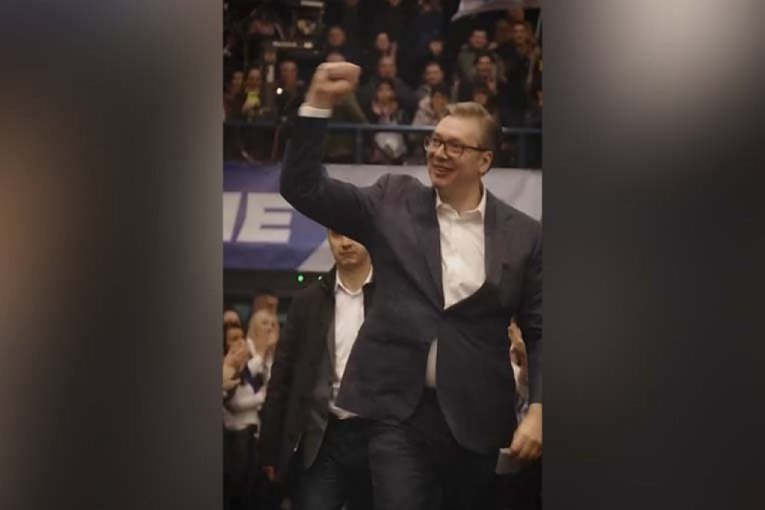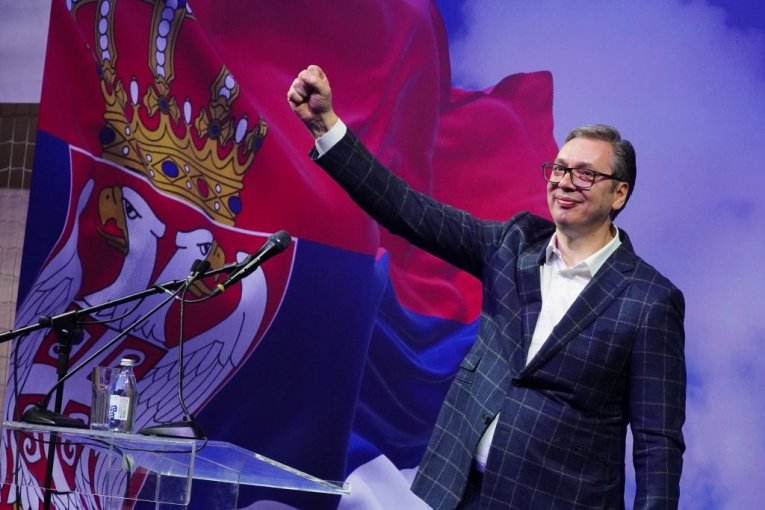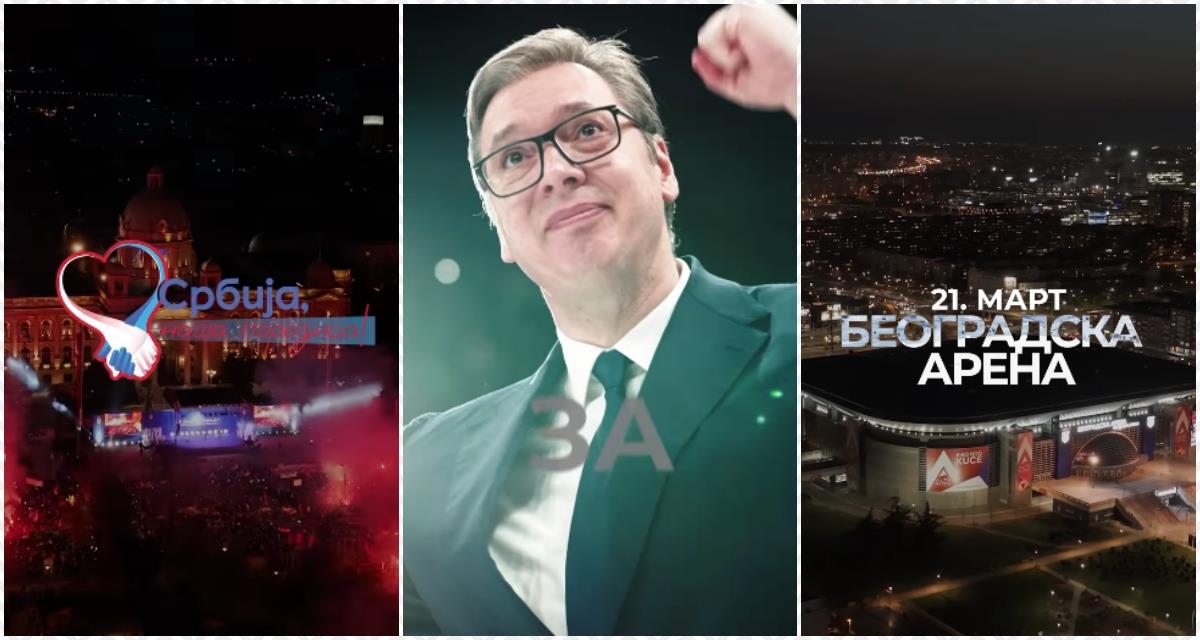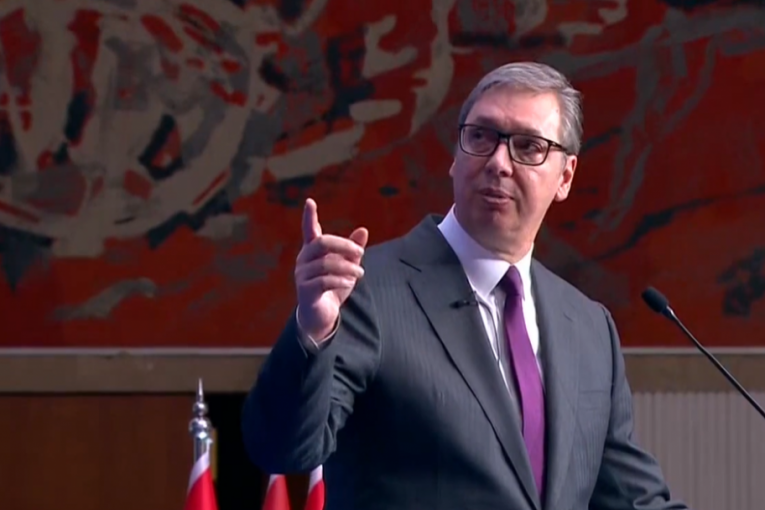


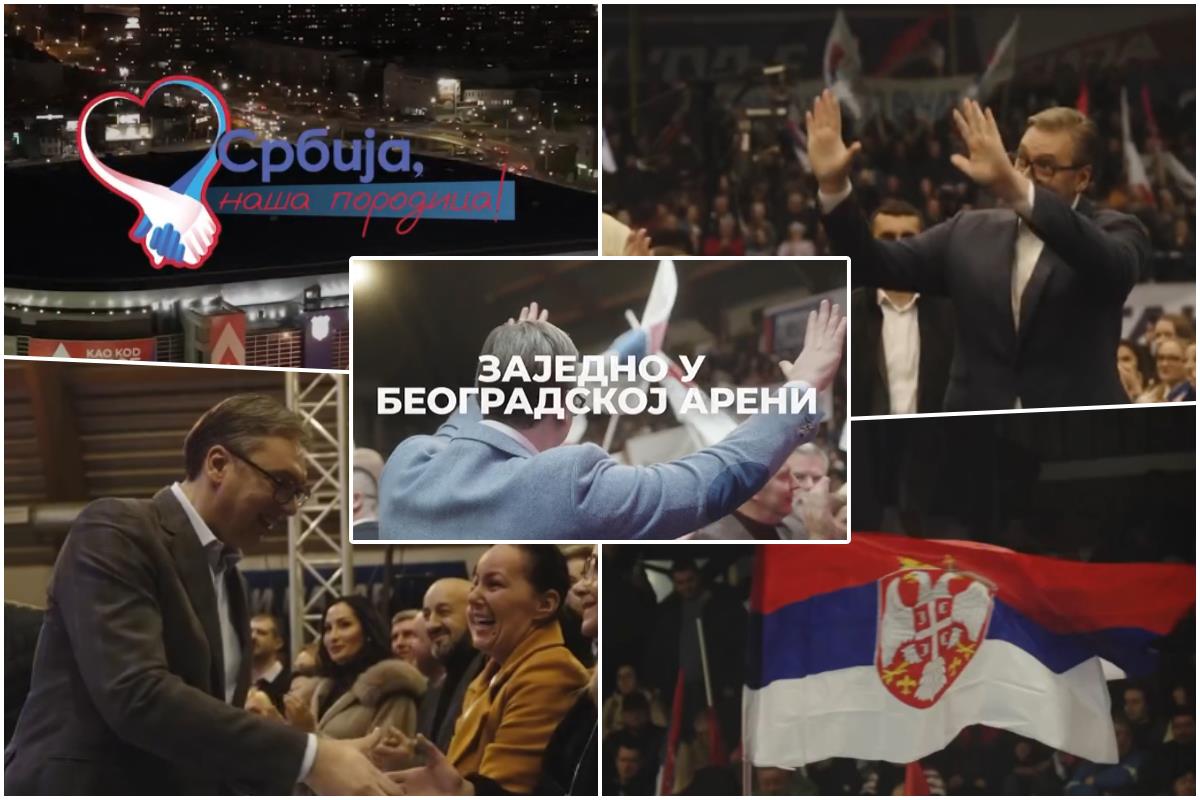
The Serbian Progressive Party has announced a major rally for March 21 at 4 PM in the Belgrade Arena, framed as a central pre-election event ahead of local elections scheduled for March 29 in ten municipalities. Both opposition and pro-government outlets agree that the rally will present SNS programs under the "Serbia, Our Family" slogan, including medium‑term agendas labeled "Serbia 2030" and "Serbia 2030-2035," and will feature the introduction of candidates for local assemblies rather than direct mayoral races. They concur that President Aleksandar Vučić and party president Miloš Vučević are the key promoters of the event, that the gathering is designed as a large mass meeting open to citizens, and that it will be followed by an additional SNS rally in Vranje on March 24.
Across both camps, coverage situates the Belgrade Arena rally within the broader context of SNS’s long-term governance and Serbia’s institutional framework, linking it to programmatic promises in infrastructure, healthcare, education, and economic development. Outlets on both sides describe it as part of a pre‑election cycle in which local assemblies are elected separately from mayors, and they acknowledge the use of unifying slogans centered on family, national cohesion, and a future-oriented vision for Serbia. There is also cross‑camp recognition that the rally serves as a platform to articulate strategic plans up to 2030 and 2035, underscoring SNS’s attempt to claim continuity and stability within Serbia’s existing political and constitutional order.
Areas of disagreement
Nature and purpose of the rally. Opposition-aligned sources describe the Belgrade Arena event primarily as an overtly partisan show of force, emphasizing that it is an SNS gathering designed to mobilize the party base ahead of contentious local elections. Pro-government outlets, by contrast, frame it as a broad, almost civic gathering for all "well-intentioned" citizens, presenting it as a unifying, patriotic event focused on Serbia’s future rather than mere party promotion. While opposition media stress the electoral calculus and power asymmetry behind such mass rallies, pro-government media highlight its inspirational and programmatic character, depicting it as an inclusive celebration of national goals.
Pressures, manipulation, and fairness. Opposition reporting foregrounds Miloš Vučević’s need to deny allegations of pressure on public sector employees and to pre-empt accusations of electoral manipulation, treating these issues as real and persistent concerns tied to past SNS practices. Pro-government outlets largely ignore or sideline any discussion of coercion or misuse of state resources, instead presenting participation as voluntary and motivated by shared values and trust in SNS leadership. This creates a sharp contrast in tone: opposition media imply the rally is partly manufactured through clientelism and institutional leverage, while pro-government media portray it as an organic expression of popular support.
Leadership focus and personalization. Opposition coverage, while acknowledging Vučić’s central role, pays greater attention to Vučević as party president unveiling lists and programs, subtly highlighting internal party structures and the formal electoral process. Pro-government outlets place President Vučić firmly at the center of the narrative, emphasizing his personal invitations, emotional messages, and statesmanlike framing of the rally as a fight for Serbia’s future. Thus, opposition media stress the party machinery and formal positions, whereas pro-government media intensify the personalization of politics around Vučić as the guarantor of stability and national progress.
Tone on broader political climate. Opposition-aligned sources situate the rally within a climate of distrust toward institutions and anticipated disputes over the integrity of the upcoming local elections, suggesting the event is part of a wider pattern of dominance by a ruling party under criticism. Pro-government articles link the rally to themes of external pressure, regional tensions, and calls for unity, occasionally referencing conflicts with neighboring states and highlighting Vučić’s messages of interethnic and interfaith harmony as proof of responsible leadership. Where opposition media imply the rally underscores entrenched power and looming contestation, pro-government media cast it as a stabilizing response to internal divisions and external challenges.
In summary, opposition coverage tends to depict the Belgrade Arena event as a heavily politicized SNS mobilization tied to concerns over pressure, manipulation, and entrenched power, while pro-government coverage tends to portray it as an inclusive, patriotic rally centered on Vučić’s leadership and ambitious long-term development plans for Serbia.
Story coverage