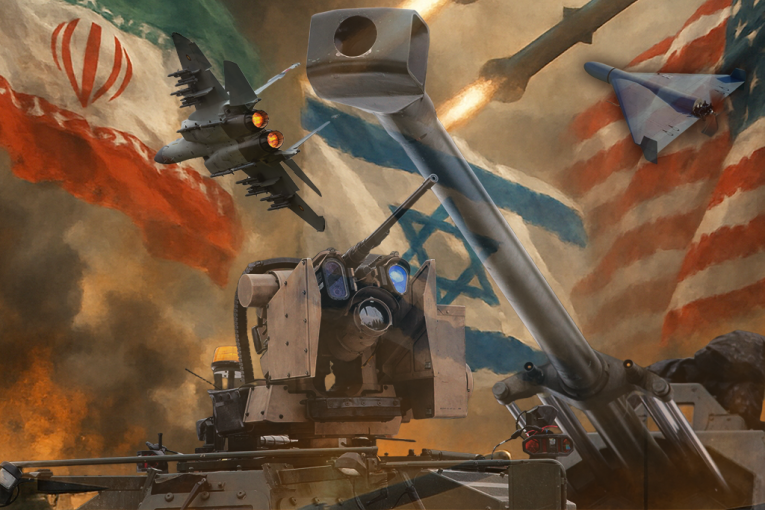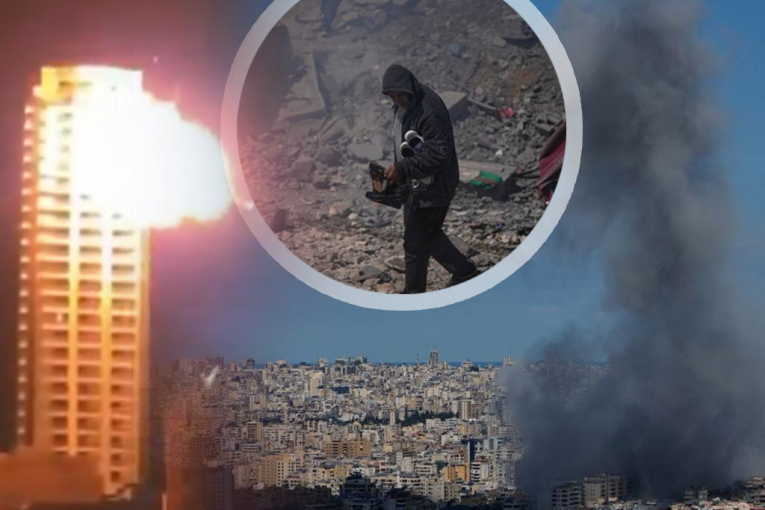


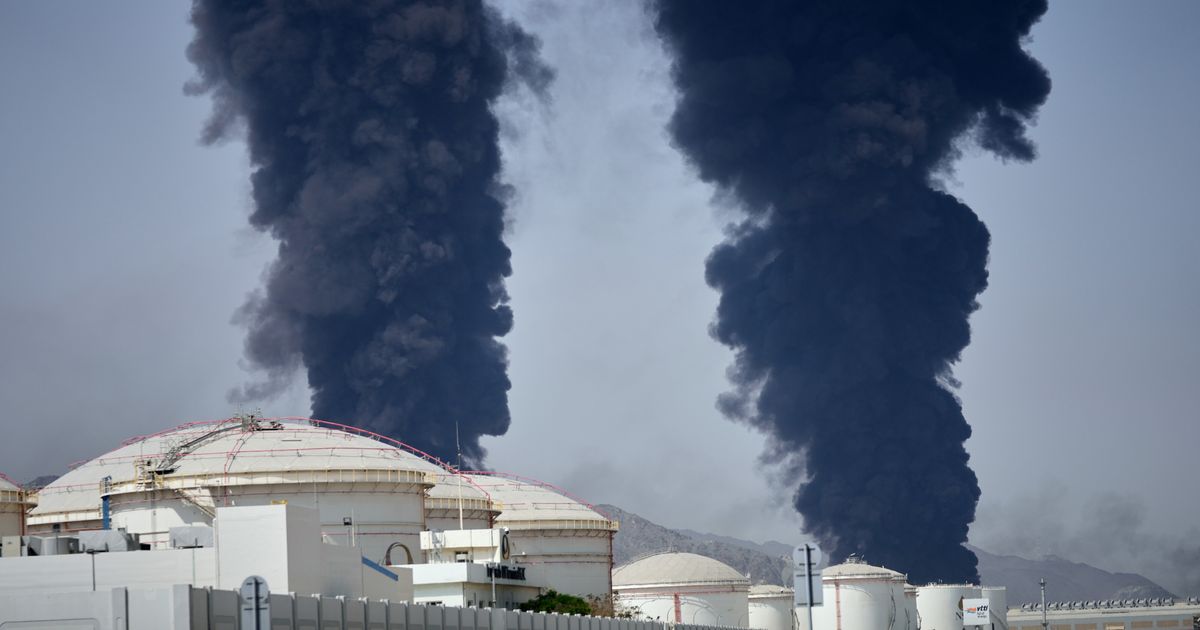
Iranian and regional outlets generally agree that Iran’s Islamic Revolutionary Guard Corps has launched a series of retaliatory strikes across the Persian Gulf region and beyond, following prior attacks on Iranian energy and security assets, including the South Pars gas field and the reported assassination of an Iranian intelligence minister. Missile and drone attacks have been reported against energy facilities and infrastructure in multiple Gulf states, with particular emphasis on fires and damage at or near Qatar’s Ras Laffan energy hub and attempted strikes on Saudi and Emirati energy plants, alongside interceptions over Riyadh and other locations. There is broad acknowledgment that Iran publicly warned in advance that it would target regional energy infrastructure if its own facilities were attacked, and that it framed these operations as part of a wider campaign also hitting Israeli targets in and around Tel Aviv, Beit Shemesh, and Jerusalem, as well as US military facilities in Qatar, Kuwait, the UAE, Bahrain, and Iraq. Both sides concur that Gulf governments, notably Saudi Arabia and Qatar, have responded with air defenses and evacuations of key energy sites, and that maritime security and energy markets are being roiled as NATO and other Western actors discuss measures to keep the Strait of Hormuz open.
Across the spectrum, coverage situates the attacks within a longer-running confrontation pitting Iran against Israel, the United States, and several Gulf monarchies that host US bases or align closely with Western security policy. Reports agree that the IRGC has escalated militarily over time, unveiling new systems such as the Haj Qasem ballistic missile and combining them with suicide drones in a phased campaign it labels Operation Rightful Promise 4, designed to deter attacks on Iranian territory and strategic assets. Media on both sides describe the Persian Gulf energy sector—including gas fields, refineries, and export terminals in Qatar, Saudi Arabia, and the UAE—as a central arena where military escalation intersects with global energy security, given these states’ importance to liquefied natural gas and oil supplies. There is shared recognition that any sustained targeting of Gulf energy facilities, or closure of key waterways like the Strait of Hormuz, would have serious implications for international energy prices, shipping routes, and broader regional diplomacy, prompting urgent talks among NATO states and regional governments about crisis management and possible de-escalation.
Areas of disagreement
Legitimacy and framing of the strikes. Opposition-aligned sources tend to characterize Iran’s attacks on Persian Gulf energy facilities as reckless escalation and potentially unlawful aggression that endangers civilians, global markets, and regional stability. They are more likely to frame these operations as power projection by an emboldened IRGC, using the language of adventurism and regime survival rather than legitimate deterrence. Pro-government outlets instead present the strikes as lawful and measured retaliation, explicitly tied to specific Israeli and Western actions such as the bombing of the South Pars gas field and the assassination of an intelligence minister. These outlets highlight prior Iranian warnings about energy-target retaliation to argue that Tehran is following a defensive doctrine rooted in deterrence and reciprocity rather than expansionism.
Targeting and impact on Gulf states. Opposition coverage emphasizes the vulnerability and victimhood of Gulf energy producers, stressing fires at Ras Laffan, missile interceptions over Saudi Arabia, and threats against UAE facilities as evidence that Iran is destabilizing the wider region and jeopardizing the livelihoods of ordinary workers. Such accounts frequently underscore the fear and disruption caused by evacuations and emergency responses, portraying Gulf states primarily as unintended or collateral victims of Iran’s feud with Israel and the United States. Pro-government reporting, by contrast, tends to portray Qatar, Saudi Arabia, and the UAE as complicit actors because they host US bases and cooperate with Israel, and thus as legitimate pressure points in Iran’s strategy. These narratives downplay or question the extent of actual damage to energy infrastructure, instead focusing on the political message that Iran can reach and threaten critical nodes supporting US and Israeli operations.
Role of external powers and regional order. Opposition outlets usually stress the importance of US, NATO, and broader international efforts to contain Iran, keep the Strait of Hormuz open, and protect energy flows, arguing that Western engagement is necessary to prevent further escalation. They may frame US bases and naval deployments as stabilizing forces, and suggest that Iran’s attacks risk drawing in a larger conflict that could engulf the region. Pro-government coverage instead often casts US and NATO involvement as a primary source of instability, arguing that foreign bases in Qatar, Kuwait, Bahrain, and the UAE have turned these countries into de facto launchpads for attacks on Iran. From this perspective, Iran’s strikes on or near such facilities are portrayed as a rebalancing move designed to raise the cost of hosting foreign militaries and to push external powers toward withdrawal or reduced interference.
Narratives of strength, deterrence, and domestic politics. Opposition-aligned media tend to interpret Iran’s actions as driven by domestic political needs, depicting the IRGC’s promotion of Operation Rightful Promise 4 and the unveiling of the Haj Qasem missile as propaganda meant to rally nationalist sentiment and distract from internal economic and political grievances. They highlight the risk that such displays of strength could backfire, inviting harsher sanctions or military responses that further weaken Iran’s position. Pro-government outlets present the same operations as evidence of technological sophistication and strategic acumen, emphasizing missile precision, the successful coordination of strikes across multiple theaters, and the supposed deterrent effect on Israel and Gulf allies. These media suggest that demonstrating credible long-range strike capabilities bolsters Iran’s bargaining power and safeguards national sovereignty against external coercion.
In summary, opposition coverage tends to depict Iran’s attacks on Persian Gulf energy facilities as dangerous overreach that victimizes neighboring states and heightens the risk of a broader war, while pro-government coverage tends to cast them as calibrated, justified retaliation that strengthens deterrence against Israel, the United States, and their Gulf partners.
Story coverage