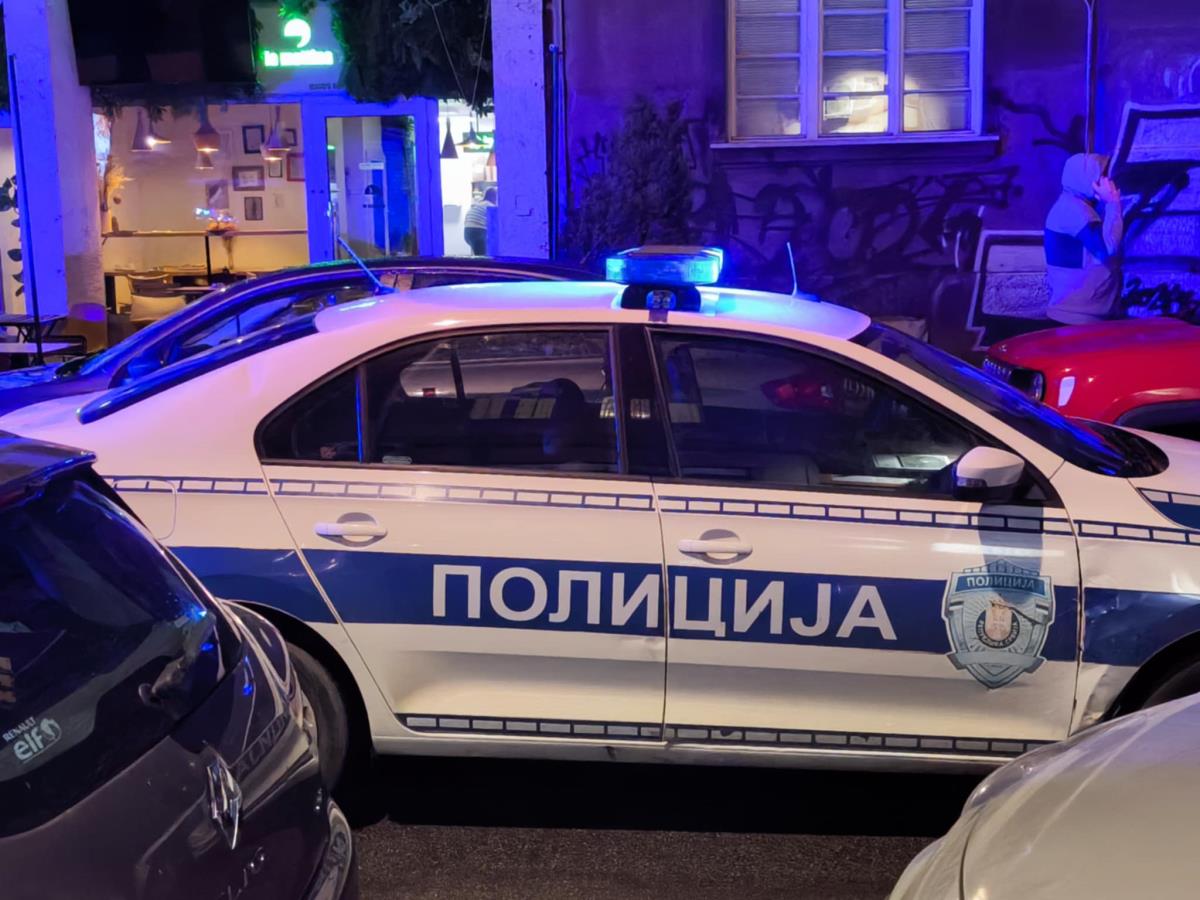

In Belgrade’s Plavi Horizonti neighborhood, a 20‑year‑old man was attacked late in the evening at a bus stop by a group of five masked assailants who arrived in a car, beat him, and then pressed or held a flare to his face before fleeing. All sides describe the event as a brutal, shocking incident that left the victim with serious facial injuries requiring hospital treatment, and agree that police have opened an investigation, are collecting evidence, and are searching for the perpetrators, while the precise medical prognosis and exact time of the attack are still being clarified.
Across the spectrum, coverage situates the episode within the wider context of recurring fan and neighborhood violence in Belgrade, emphasizing the role of organized supporter groups and local turf rivalries. Both opposition and pro‑government outlets highlight the detail that the attackers wore “Delije Sever” masks and that the victim reportedly had an FK Zemun jersey, presenting it as a likely football‑related motive and linking it to longstanding tensions between rival supporter groups, while also noting that formal institutional responses are currently limited to the police investigation and potential future prosecutions.
Areas of disagreement
Responsibility and blame. Opposition‑aligned outlets tend to frame the attack as a symptom of a broader climate of impunity for hooligans allegedly tolerated or indirectly protected by elements linked to the ruling structures, suggesting that the state bears political responsibility for allowing such groups to grow powerful. Pro‑government media instead portray the assailants as isolated criminal hooligans whose actions are condemned by the authorities, emphasizing individual culpability and the ongoing police hunt.
Political context and meaning. Opposition sources are likely to interpret the incident as part of a pattern of growing insecurity and lawlessness under the current government, tying it to previous episodes of fan violence and alleged links between ultras and power centers. Pro‑government coverage tends to depoliticize the event, treating it as a shocking but apolitical act of street violence rooted in fan rivalries, and avoids connecting it to systemic governance or high‑level political networks.
Portrayal of institutions. Opposition media generally question the effectiveness and independence of the police and judiciary, implying that even when perpetrators are caught, networks behind football violence remain untouched due to political interference or selective enforcement. Pro‑government outlets stress that the police reacted promptly, underline that an investigation is underway, and present institutions as committed and capable, framing the case as proof that the state is actively combating hooliganism.
Framing of fan groups. Opposition reporting tends to stress the organized and semi‑paramilitary character of certain supporter groups, suggesting they enjoy informal protection and highlighting the “Delije Sever” branding as politically charged. Pro‑government media acknowledge the masks and football symbolism but mainly treat the attackers as generic thugs within the fan scene, downplaying any ideological or political dimensions and avoiding broader critiques of prominent supporter organizations.
In summary, opposition coverage tends to treat the flare attack as emblematic of systemic hooligan violence enabled by a politically compromised state, while pro-government coverage tends to present it as an isolated act of criminal brutality that the country’s institutions are actively and effectively addressing.