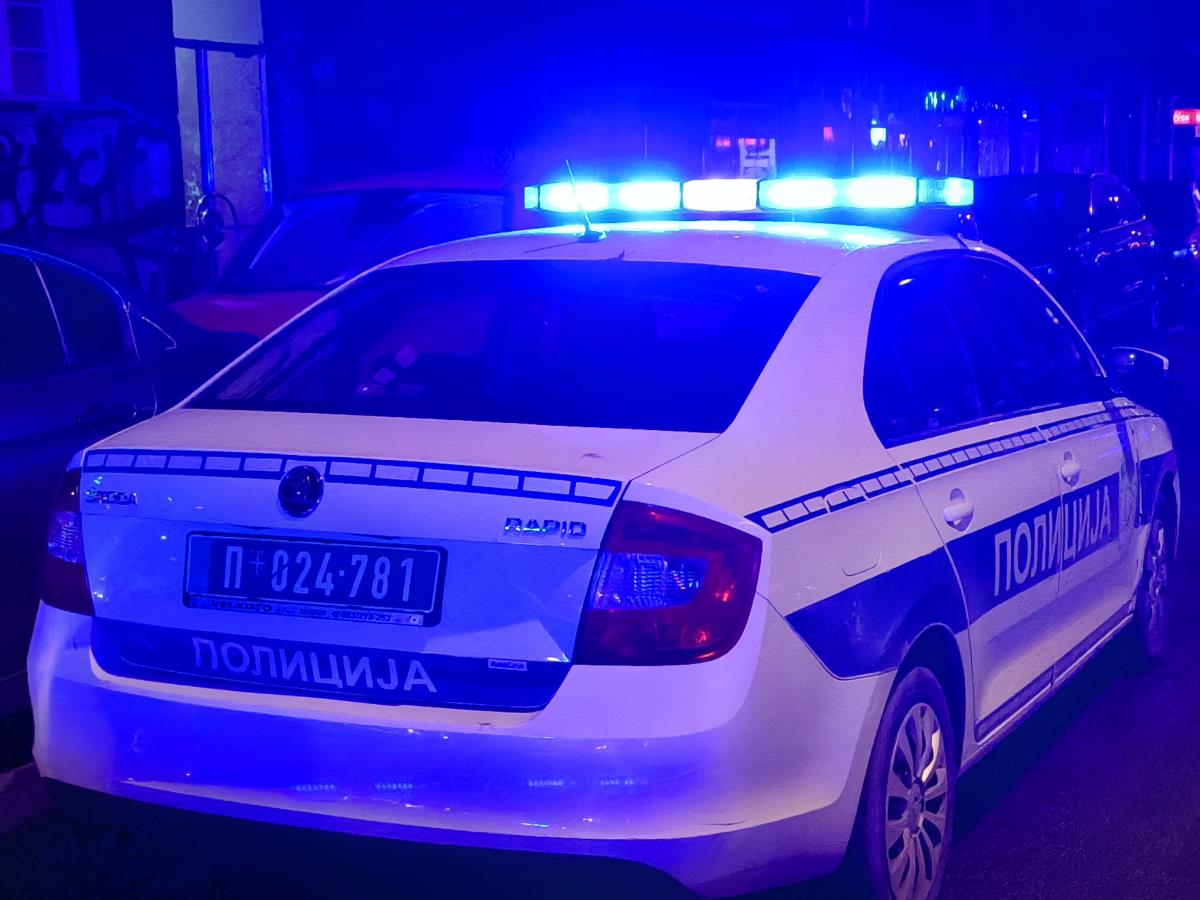

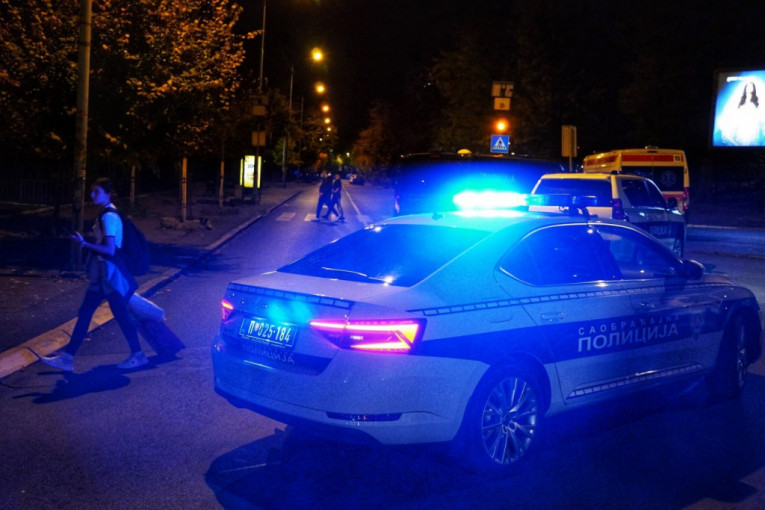
A young man was reportedly abducted from a bus stop in Belgrade’s Železnik neighborhood by a group of masked individuals armed with clubs, who arrived in a gray Skoda Octavia and forced him into the vehicle before fleeing. Police were alerted to the incident, launched a pursuit, and later located the car and at least one or two suspects, but initial reports agreed that the victim’s whereabouts were unclear, prompting a broader search operation in the area and beyond.
Across outlets, the incident is framed as a violent street confrontation among young men connected to rival football fan groups, with the dispute said to have escalated from an argument over club loyalties. The police and prosecutorial authorities are consistently presented as the key institutions handling the case, with emphasis on procedural steps such as suspect detention, questioning, and active searches, and all sides agree that hooligan-related violence and fan-group rivalries form the broader backdrop for understanding the episode.
Areas of disagreement
Responsibility and blame. Opposition-aligned outlets tend to portray the abduction as symptomatic of a broader climate of lawlessness and impunity for politically connected hooligan groups, implicitly linking the incident to failures by the ruling authorities to curb fan violence. Pro-government media, by contrast, present the event more as an isolated criminal act arising from a spontaneous quarrel over sports loyalties, emphasizing individual culpability rather than systemic issues. While opposition sources stress state responsibility for allowing fan groups to thrive, government-friendly outlets focus on the swift police response as evidence that institutions are functioning.
Characterization of fan groups. Opposition coverage generally frames the involved fan factions as part of a network of regime-tolerated or regime-aligned hooligans, highlighting their history of violence and alleged connections to security structures. Pro-government outlets, where they mention group affiliations at all, describe them primarily as rival supporters of major football clubs, downplaying or omitting any political dimension. The opposition narrative thus politicizes the fan groups as quasi-paramilitary actors, whereas the pro-government narrative keeps them in the realm of apolitical sports-related subculture.
Assessment of police performance. Opposition sources typically question the effectiveness and sincerity of the police operation, pointing to the initial failure to secure the victim and framing any later arrests as reactive damage control under public pressure. Pro-government outlets underline the rapid deployment, pursuit of the vehicle, arrest of suspects, and ongoing search as proof of a professional and efficient response. Where the opposition sees a pattern of selective enforcement and reluctance to confront powerful hooligan structures, pro-government media highlight procedural diligence and cooperation with prosecutors to suggest that no one is above the law.
Broader security implications. Opposition media are likely to treat the case as indicative of a deteriorating security situation in Belgrade, using it to question the government’s broader public safety record and its control over extremist fan elements. Pro-government sources, in contrast, frame it as a serious but contained criminal incident that does not fundamentally challenge overall security, stressing that such acts will be punished and that everyday life remains safe. This leads opposition outlets to connect the abduction to systemic governance failures, while government-friendly coverage reassures audiences that institutions are resilient and the system is stable.
In summary, opposition coverage tends to embed the Żeleznik abduction in a narrative of systemic impunity, politicized hooliganism, and state failure to ensure public safety, while pro-government coverage tends to depict it as an isolated clash among football fans, emphasizing prompt police action, institutional competence, and the apolitical nature of the violence.