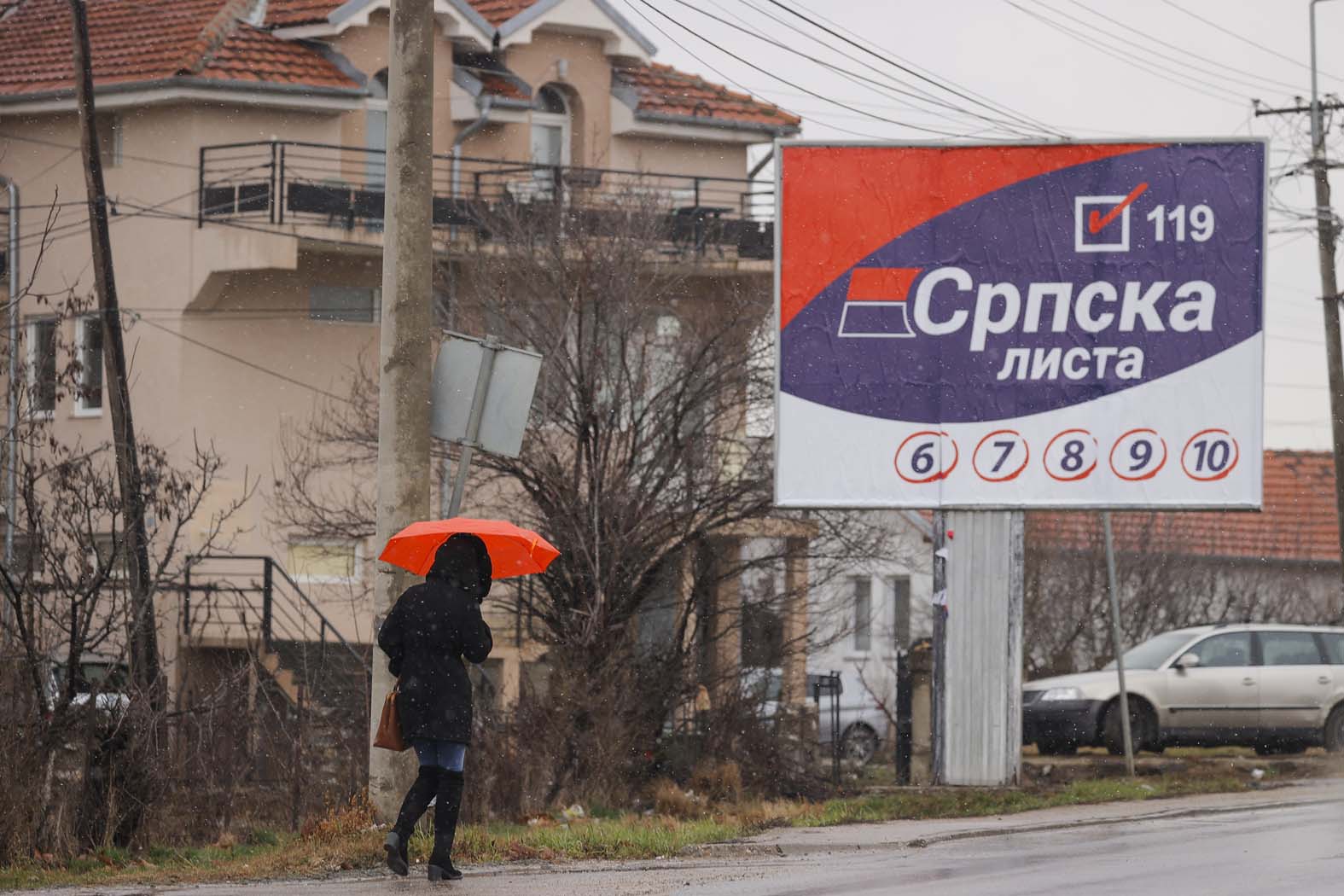
Kosovo’s amended Law on Foreigners, along with related rules on vehicles, has now entered into force across the territory, introducing new documentation and residence requirements for foreign citizens, with particular practical impact on Serbs living in Kosovo. Opposition-aligned coverage agrees that Serbs are being given a three‑month window to obtain the necessary residence and identification documents issued by Pristina, and that those who work or study in the northern part of Kosovo will be eligible for temporary one‑year residence permits. These sources also report that authorities are working on technical arrangements for vehicles with Serbian license plates so they can continue to participate in traffic and ensure uninterrupted operation of essential services such as healthcare, education, and municipal administration, framing these steps as formally applicable to all foreigners, even if Serbs are the most affected group in practice.
Across the political spectrum, available reporting situates the measure within Kosovo’s broader post‑independence institutional consolidation and efforts to standardize rules for foreigners and vehicle registration under Pristina’s legal and administrative system. The law is presented as part of an ongoing sequence of reforms that seek to replace parallel or Serbia‑linked documentation with Kosovo‑issued permits, particularly in the Serb‑majority north where alternative structures have historically operated. Shared context acknowledges that the changes interact with long‑running disputes over sovereignty, recognition, and the status of local Serb communities, and that both the residency regime and vehicle solutions are intended to bring residents, regardless of ethnicity, into a unified legal framework while still allowing some transitional arrangements.
Areas of disagreement
Nature and intent of the law. Opposition-aligned outlets tend to portray the law as more than a neutral administrative update, arguing that its design and timing are perceived by many Serbs as discriminatory, coercive, or aimed at pressuring them into full dependence on Pristina-issued documents. In contrast, pro-government narratives (inferred from typical framing in similar cases) are likely to describe the measure as a standard, sovereignty-affirming regulation that simply aligns Kosovo with regional and European practices on foreigners and residency. Opposition pieces highlight public skepticism and fears of targeted pressure, while pro-government voices would emphasize legality, modernization, and equal application to all foreign citizens.
Impact on Serb communities. Opposition reporting stresses that, although the law is formally general, Serbs in the north will bear the brunt of implementation, especially through the three‑month documentation deadline and vehicle re-registration, which they say could disrupt daily life and deepen mistrust. Pro-government coverage would more likely underscore that special transitional measures—such as the one‑year temporary permits for workers and students and tailored solutions for Serbian license plates—demonstrate sensitivity to local needs and help maintain essential services. While opposition outlets frame these provisions as insufficient safeguards against pressure, pro-government sources would frame them as generous accommodations that facilitate integration without abrupt shocks.
Political framing and regional implications. Opposition-aligned media frequently embed the law in a narrative of escalating tension in Serb-majority areas, warning that new documentation demands could heighten ethnic and political frictions and be leveraged as a tool of control. Pro-government sources would instead present the changes as a step toward legal clarity and stability that strengthens Kosovo’s institutional credibility in dialogue with Serbia and international actors. The former emphasize risks of alienating Serb residents and undermining trust, whereas the latter emphasize the necessity of full legal harmonization for state functionality and eventual European integration.
In summary, opposition coverage tends to cast the new Law on Foreigners as a politically charged and potentially discriminatory move that disproportionately pressures Serb communities under the guise of administrative reform, while pro-government coverage tends to depict it as a routine, sovereignty-affirming regulatory update that offers transitional safeguards and advances institutional normalization.