

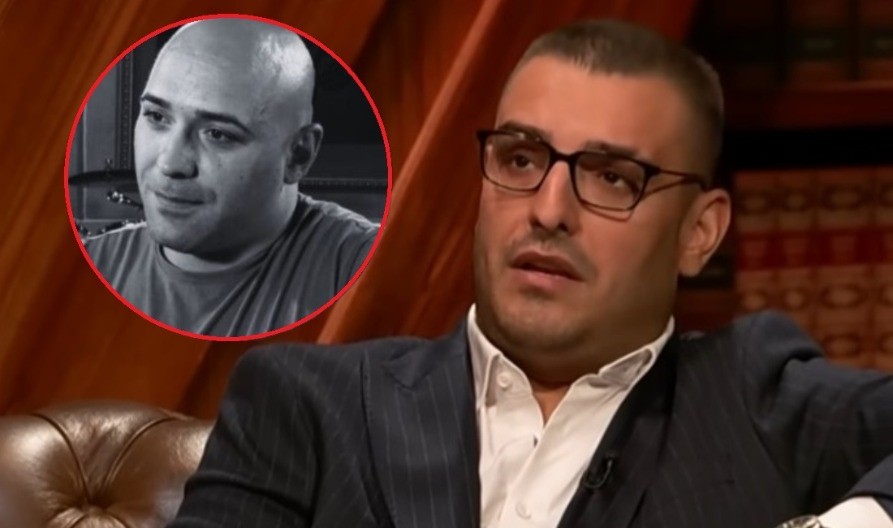
Singer Darko Lazić is publicly mourning the recent death of his brother Dragan, who was killed in a car accident and has since been buried. Across outlets, coverage centers on a poignant image Lazić shared of himself fishing, accompanied by his son and his youngest daughter Srna, showing him visibly pensive and withdrawn as he processes his grief. Reports agree that the post is framed as a tribute to his late brother and that Lazić is in a period of intense sadness and emotional pain, finding moments of quiet in nature while surrounded by his children.
Shared context in the reporting emphasizes that Lazić is a well-known singer whose private tragedy quickly becomes a public story, and that his immediate family and close friends are his primary support network in this phase. Articles note that his social media activity, particularly the fishing photo, functions as both a personal coping mechanism and a way to communicate his sorrow to fans, with sentimental music about family reinforcing the tone of loss. Coverage also converges on the idea that this moment highlights broader themes of family solidarity, the psychological toll of sudden bereavement, and the way public figures in Serbia navigate grief under media scrutiny.
Areas of disagreement
Emotional framing. Opposition-aligned outlets tend to highlight the tragedy in starker, more critical emotional terms, underlining despair, long-term trauma, and the potentially isolating side of fame, while downplaying any comforting or uplifting elements in the post. Pro-government outlets, by contrast, focus on the poignancy and tenderness of the fishing moment, stressing melancholy but balancing it with resilience, warmth, and the consoling presence of Lazić’s children and relatives.
Role of family and community. Opposition sources generally frame family support as fragile and insufficient against the depth of his loss, sometimes suggesting that public pressure and constant exposure may undermine his healing despite relatives’ efforts. Pro-government coverage portrays family and friends as a strong, stabilizing force, repeatedly emphasizing their presence at his side and suggesting that tight-knit community support is helping him endure this difficult period.
Use of social media and publicity. Opposition coverage is more likely to question the media spectacle around the tragedy, hinting that the circulation of such intimate images reflects a culture of overexposure and may exploit his grief for clicks. Pro-government outlets instead treat the fishing photo and accompanying music as a dignified, almost therapeutic public gesture, presenting it as a natural and appropriate way for a beloved entertainer to share pain and receive empathy from fans.
Wider social implications. Opposition-aligned media are prone to situating the accident and its aftermath within broader concerns about road safety, mental health support, and the pressures on cultural figures, implicitly criticizing institutional shortcomings. Pro-government coverage tends to avoid systemic critiques, keeping the focus on Lazić’s personal story and framing the event as an individual family tragedy, sometimes subtly highlighting national empathy and cultural values rather than policy or structural issues.
In summary, opposition coverage tends to treat Darko Lazić’s mourning as a window into deeper social and institutional problems and the darker side of public life, while pro-government coverage tends to emphasize a more intimate, apolitical narrative of personal grief, family support, and dignified public sharing of sorrow.
