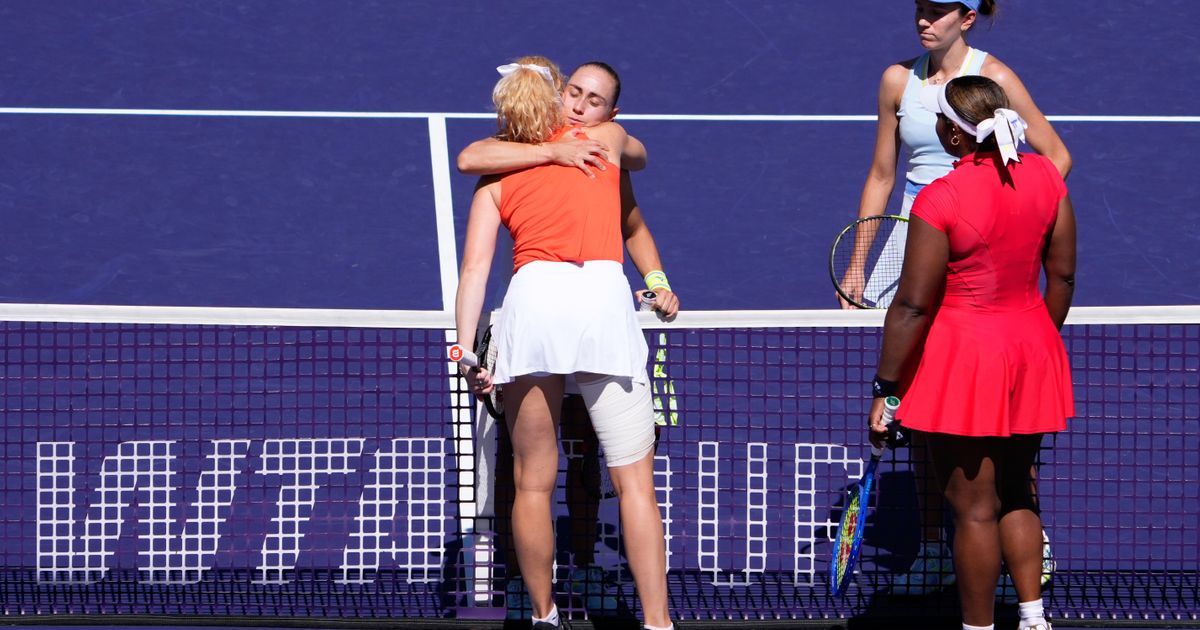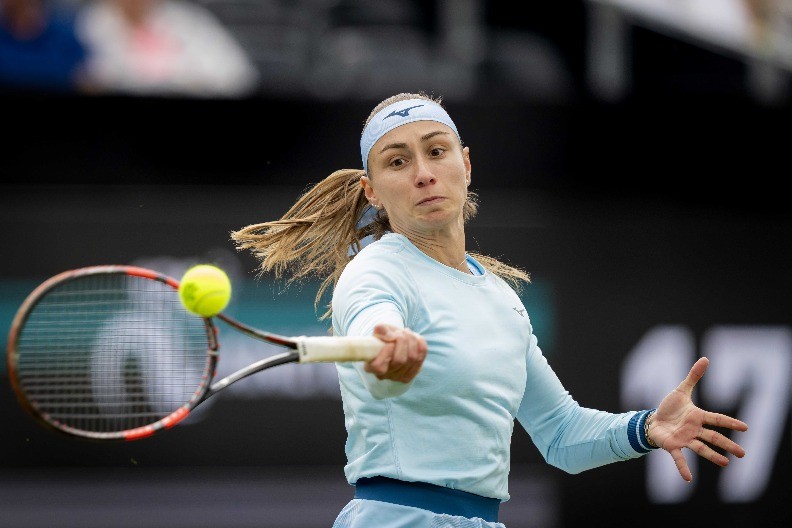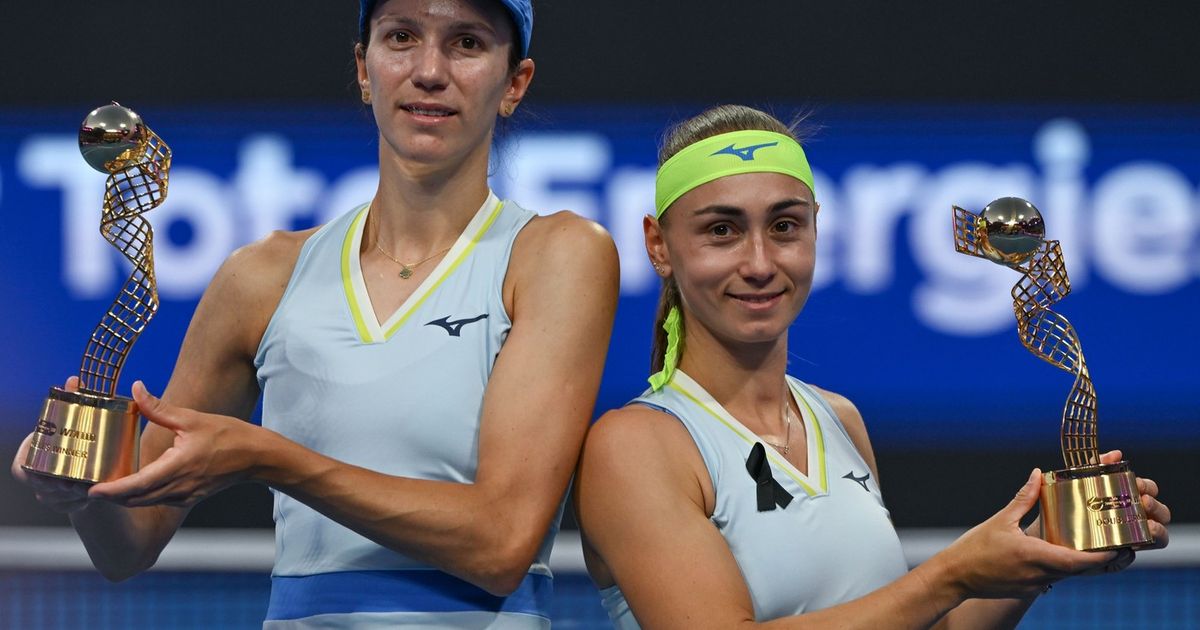


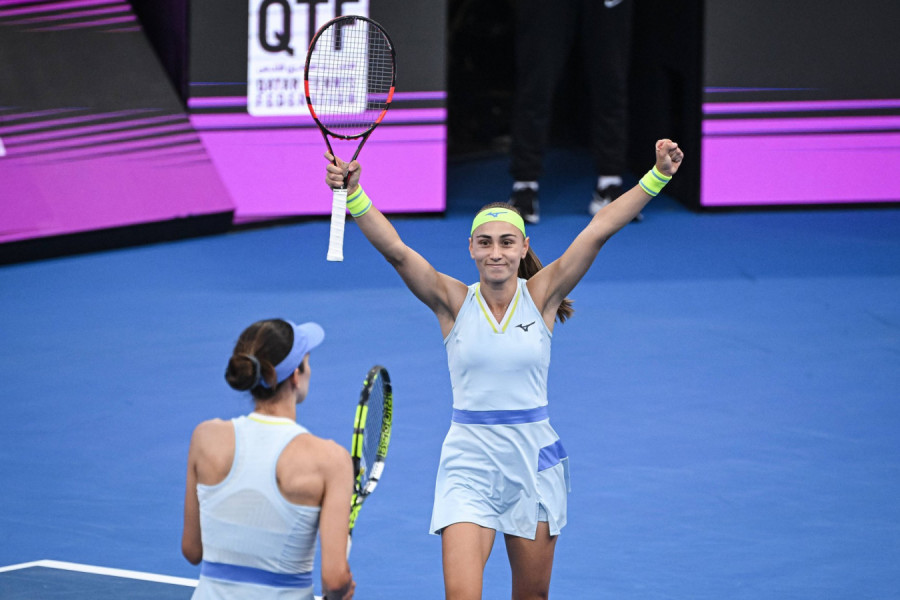
Aleksandra Krunić and Ana Danilina reached the women’s doubles final at the Indian Wells tournament, where they lost to the pair of Taylor Townsend and Katerina Siniakova in straight sets. Pro-government and opposition-leaning outlets alike agree on the basic match chronology: Krunić and Danilina dropped a tight first set decided in a tiebreak, then mounted a partial comeback in the second set before ultimately being broken in the decisive games and losing 7:6, 6:4. Both sides also consistently report that the Serbian–Kazakh pair had produced a strong run through the draw, including a straight-sets semifinal win over Nicole Melichar-Martinez and Cristina Bucsa by 6:3, 6:4. Coverage converges on the outcome that Townsend and Siniakova claimed the title, with Townsend later highlighting the emotional weight of missing her son’s fifth birthday to compete in the final.
Across the spectrum, media outlets emphasize that reaching the Indian Wells final significantly boosted Krunić’s professional standing and earnings, softening the sting of defeat. There is common acknowledgment that, as a result of this run, she has entered the WTA doubles Top 10, with most citing an eighth-place position and approximately 6,765 ranking points. Reports also agree that the finalists’ prize money was substantial, placing Krunić’s payout at just under $125,000 for the event. Both opposition and pro-government sources frame Indian Wells as one of the most prestigious non‑Grand Slam tournaments, underscoring that a final appearance and new career‑high doubles ranking mark a major milestone in Krunić’s career rather than a simple loss.
Areas of disagreement
Tone and framing of the loss. Opposition-aligned outlets tend to present the defeat as a missed historic opportunity for Serbian tennis, stressing that Krunić left “with nothing from the title” and highlighting the emotional disappointment of falling short in a major final. Pro-government coverage, by contrast, often softens the language of failure, describing the match as a hard-fought battle and emphasizing the quality of the opponents to normalize the loss. Where opposition pieces may linger on the narrow margins in the tiebreak and late-set games as evidence that the match “should have been won,” pro-government sources are more likely to cast those same swings as valuable experience on a big stage.
Emphasis on personal sacrifice versus national pride. Opposition sources are inclined to spotlight Krunić herself and, secondarily, to note Townsend’s sacrifices mainly as a narrative device, while tying the outcome back to questions of how Serbia supports its athletes. Pro-government outlets give notable space to Townsend’s account of crying four times before the final because she missed her son’s birthday, using her story to universalize the theme of sacrifice in elite sport and somewhat diffuse the focus away from Krunić’s defeat. In opposition coverage, personal sacrifice is framed as something Serbian athletes already make despite inadequate backing, whereas pro-government pieces place sacrifices within a broader, apolitical tennis context, downplaying systemic critiques.
Interpretation of rankings and prize money. Opposition-aligned media often treat Krunić’s new Top 10 doubles ranking and the roughly $123,920 in prize money as bittersweet, underscoring that financial gain and ranking points cannot fully compensate for the absence of a major trophy. They may question whether such individual success reflects personal resilience more than institutional support, hinting that Serbia benefits symbolically while investing minimally. Pro-government outlets, conversely, foreground these metrics as the main takeaway, portraying the ranking jump and earnings as proof of upward trajectory and as a success story in which a Serbian player shines on a global stage, implicitly reflecting well on national sports structures.
Attribution of broader significance. Opposition coverage is more likely to use the final as a springboard for broader commentary, asking what this result says about long-term planning in Serbian tennis, junior development, and state or federation priorities. In that narrative, Krunić’s near-miss in a high-profile final becomes emblematic of systemic underachievement and short-term thinking. Pro-government sources instead frame the event as an individual milestone within a positive trend, presenting Krunić’s presence in a premier final and entry into the Top 10 as signs that the country’s tennis still produces world-class results, and avoiding linking the outcome to any structural criticism.
In summary, opposition coverage tends to treat Krunić’s loss as a symbolically painful near‑miss that exposes deeper structural and institutional shortcomings, while pro-government coverage tends to frame it as a hard‑fought but ultimately positive milestone that showcases individual success, upward rankings momentum, and the prestige of Serbian tennis on the world stage.
Story coverage