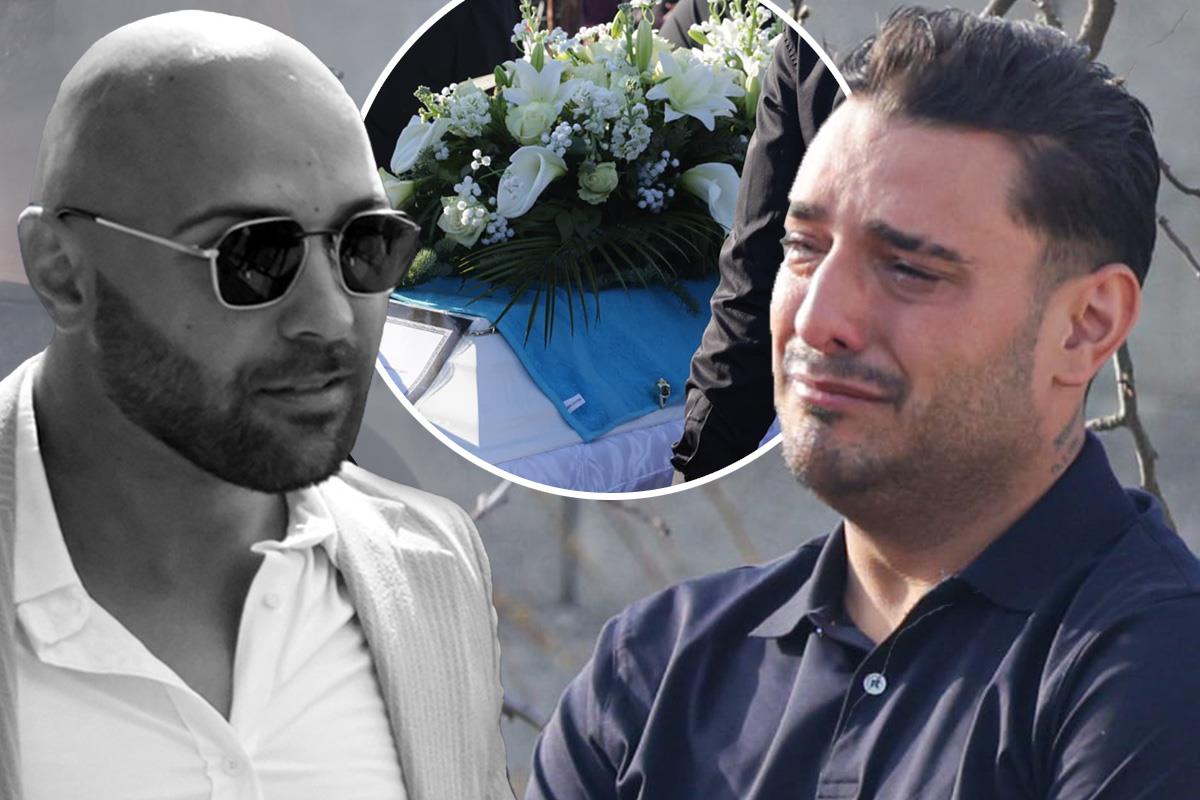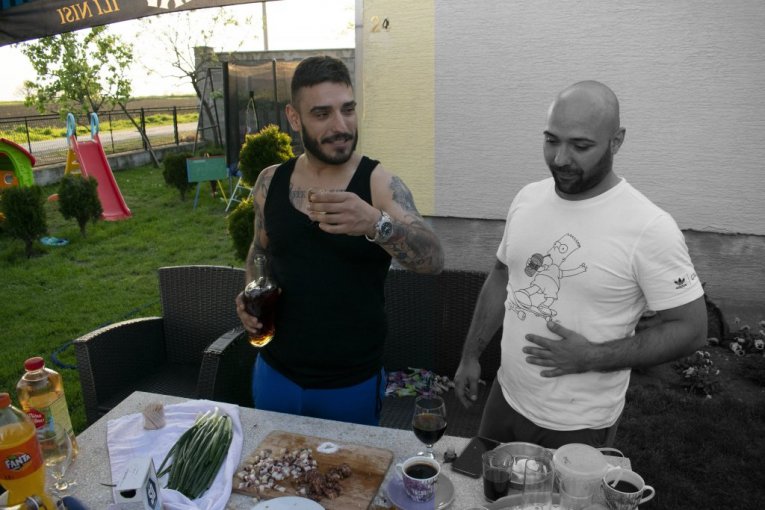




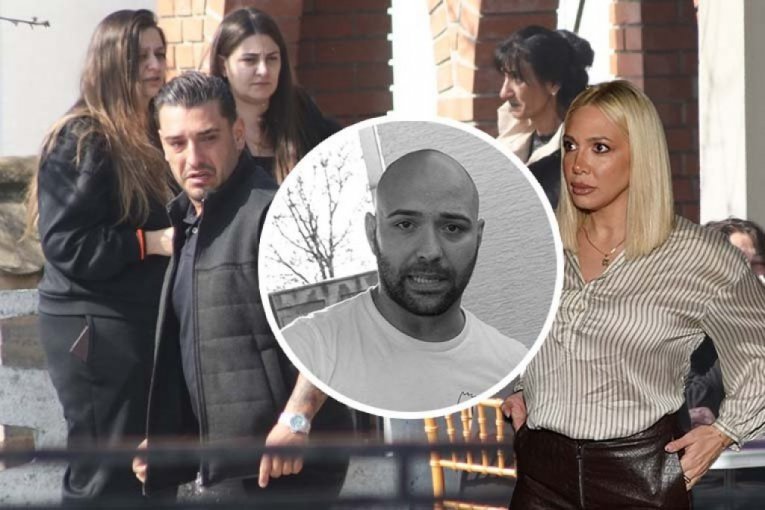
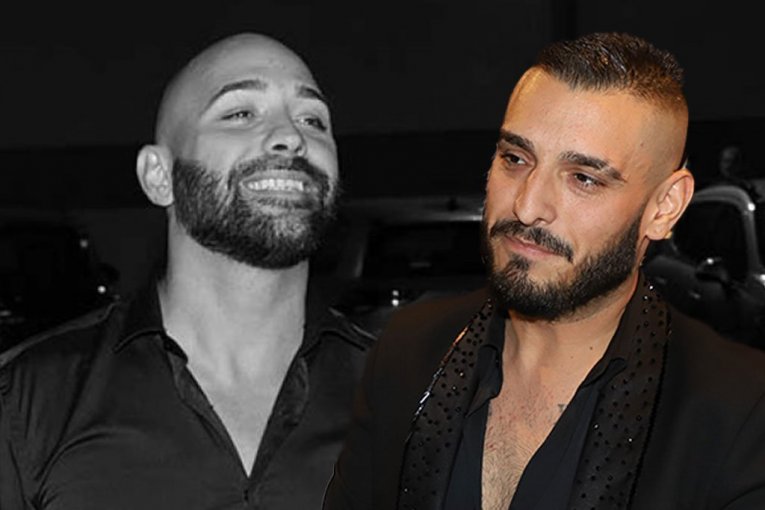
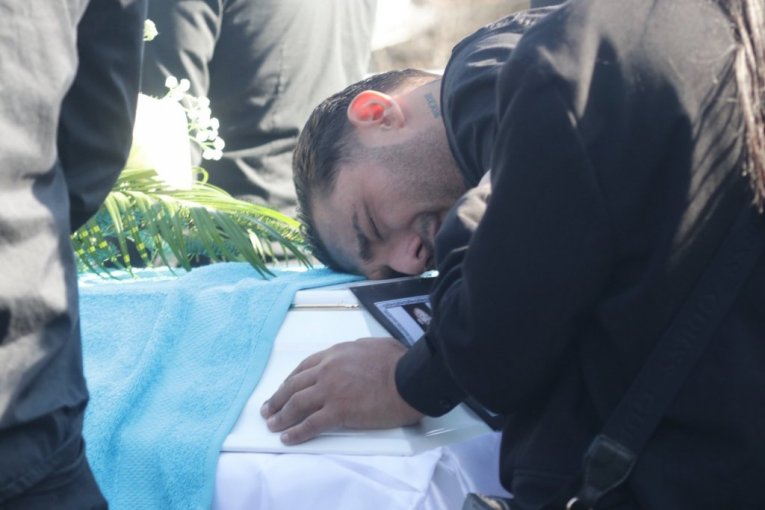
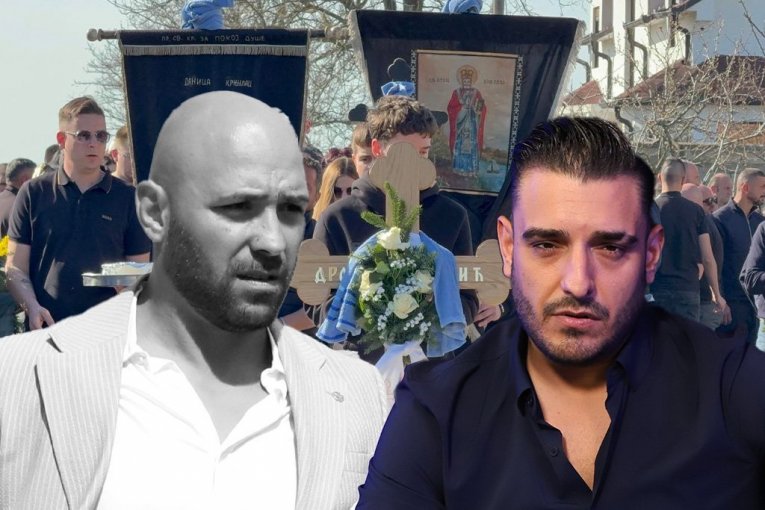
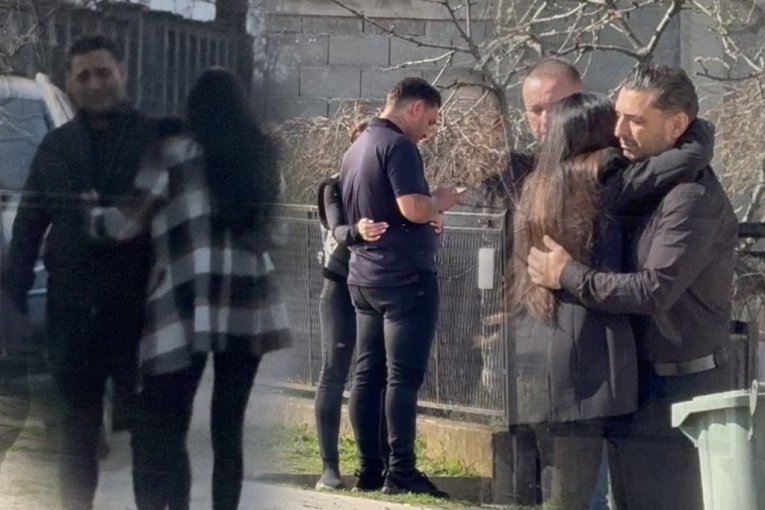
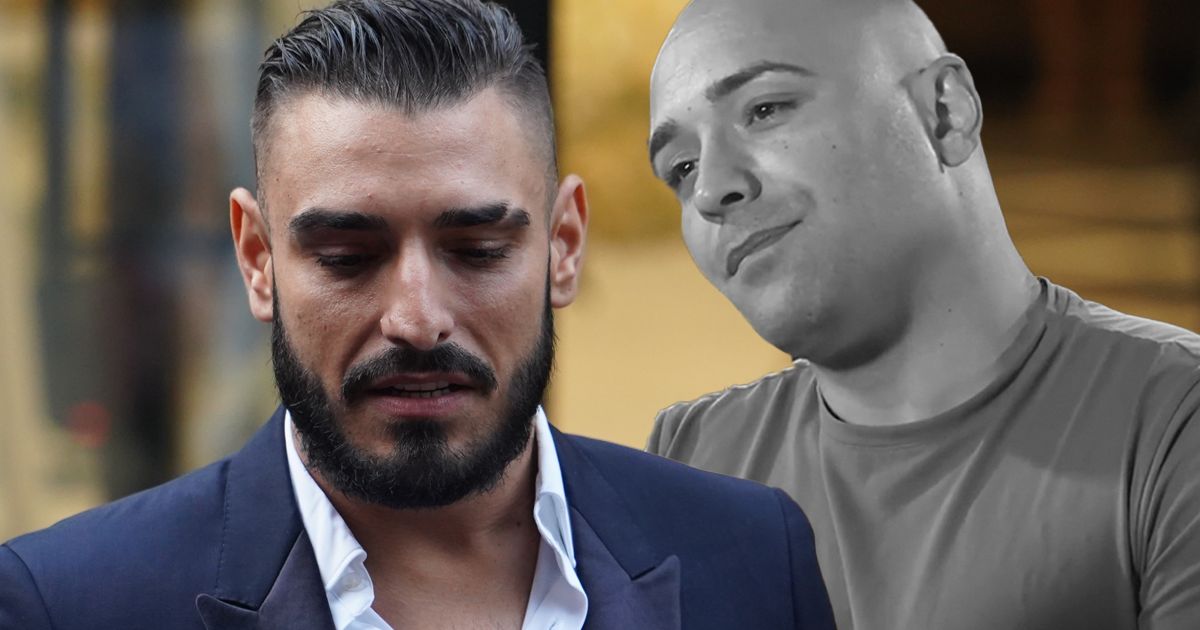
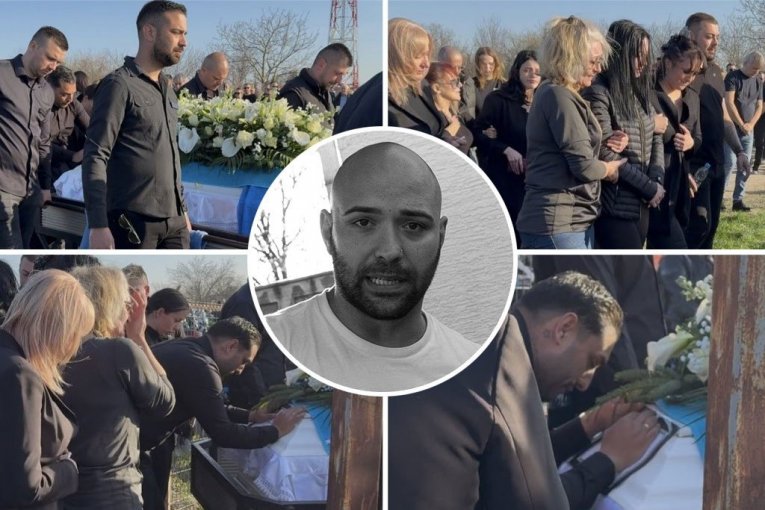
Dragan Lazić, brother of singer Darko Lazić, died in a severe traffic accident on March 11 near Šabac when the motorcycle he was riding collided with a car, and despite medical intervention he succumbed to his injuries at around 32–33 years of age. Both opposition and pro-government outlets agree that he was a passionate motorcyclist, that his funeral took place on March 13 at the village cemetery in Brestač, and that around one thousand people, including relatives, neighbors, numerous public figures and fellow bikers, attended the burial and the preceding religious service. Coverage from both sides emphasizes the overwhelming grief of the Lazić family, noting Darko’s visible breakdown at the coffin and graveside, his words addressed to his late father and brother, and the deep sorrow of Dragan’s widow Ivana and their mother Branka. All sources also highlight the presence of many well-known singers and entertainment personalities, as well as tributes such as a friend’s dedicatory song and emotional social media posts from colleagues and loved ones.
Across the spectrum, media agree on the broader human and cultural context: the tragedy is treated as a personal and family catastrophe rather than a political or institutional issue, and the focus is on mourning rituals, emotional farewells, and customs. Outlets on both sides describe traditional elements of the funeral, including the significant biker presence that honored Dragan’s love of motorcycles and, in some reports, the regional custom of placing blue towels on the coffin as a symbol of sorrow, purity and the soul’s journey. They align in portraying Darko’s Instagram posts and shared videos with his son Aleksej and Dragan as expressions of enduring brotherly love and a way to cope with loss, and in presenting the funeral as a major event in the entertainment community that drew solidarity across current and former partners, colleagues, and friends. There is no dispute in the basic narrative: a young man’s sudden death, a large public farewell in Brestač, and a shared understanding of the cultural and emotional weight of the loss.
Areas of disagreement
Emphasis of the event. Opposition-aligned outlets frame the funeral primarily as a gathering of music-industry colleagues, underlining which Grand stars arrived, how they accompanied Darko, and the spectacle of celebrity support around the grieving singer. Pro-government outlets, while also naming celebrities, place more emphasis on family members, the presence of bikers as a community of mourning, and the scale and orderliness of the ceremony. In this way, opposition coverage leans toward showbiz angles and who stood by Darko, whereas pro-government coverage stresses collective grief, decorum, and traditional communal solidarity.
Tone and emotional framing. Opposition sources tend to dramatize Darko’s collapse over the coffin and his cries at the grave, using vivid quotes to center his suffering in the narrative. Pro-government media also highlight his devastation but dilute it within a broader emotional landscape that includes the mother, widow, and messages of support from colleagues like Milica Todorović. As a result, opposition reporting can feel more focused on raw, almost sensationalized moments of breakdown, while pro-government stories balance those moments with messages of comfort, unity, and dignified mourning.
Use of social media and public reaction. Opposition coverage pays relatively less attention to structured social-media campaigns, instead briefly noting online condolences while foregrounding the physical presence of stars at the cemetery. Pro-government outlets, by contrast, heavily feature Instagram farewells, emotional posts, and viral videos, presenting them as national moments that “made Serbia cry” and amplifying followers’ reactions. This creates a contrast between opposition outlets that privilege on-the-ground scenes and pro-government outlets that elevate curated digital grief and widespread public empathy.
Cultural and symbolic narrative. Opposition media mention Dragan’s love of motorcycles and the accident circumstances but largely stop at that as contextual detail, with little exploration of rituals or symbolism. Pro-government sources more often explain regional customs like blue towels on the coffin and spotlight the bikers’ tribute, weaving these into a narrative about tradition, spiritual meaning, and respect for the deceased. Thus, opposition coverage treats the funeral as a high-profile but straightforward farewell, whereas pro-government coverage uses cultural motifs to frame the death as part of a broader story about heritage and shared values.
In summary, opposition coverage tends to foreground the celebrity dimension, Darko’s dramatic grief, and the visible showbiz circle around the funeral, while pro-government coverage tends to highlight family, customs, digital outpourings of sympathy, and the event’s symbolic weight as a moment of national and communal mourning.
Story coverage


.jpeg)
.jpg)