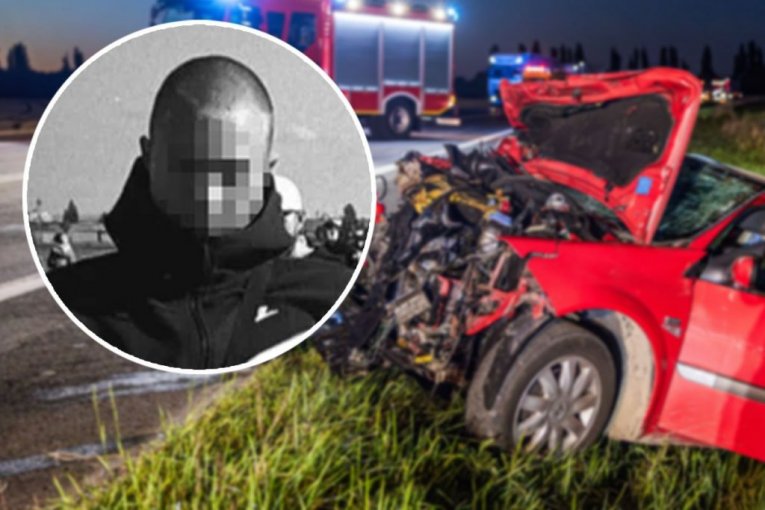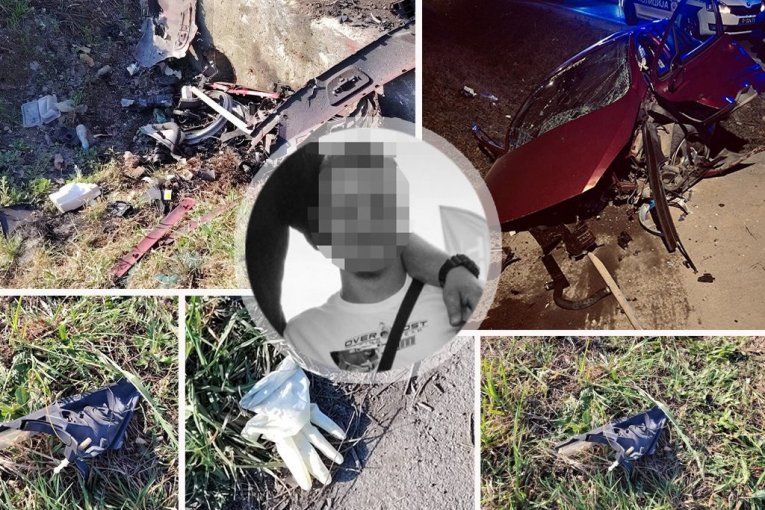


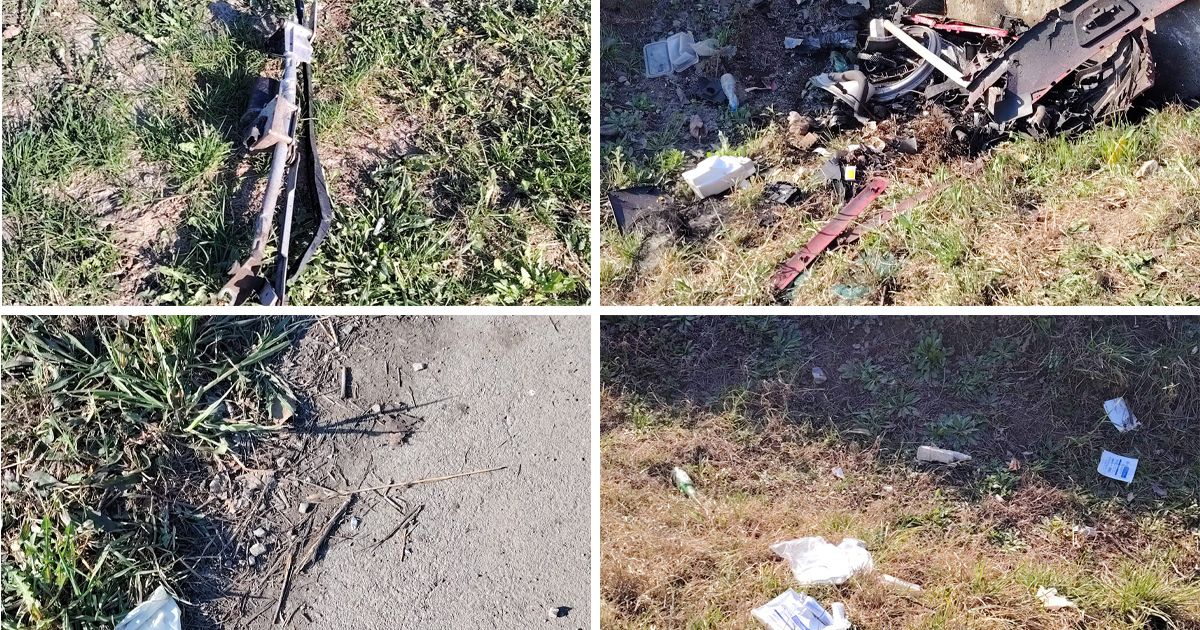
Two teenagers, identified as Mihajlo S. (18/19) and Neda P. (19), were killed in a severe car accident near Ugrinovci/Busije on or around March 12, when the car they were in veered off the road and struck a concrete bridge. A third passenger, a teenage girl and their friend, sustained critical injuries and was transported to hospital, where she remains in serious or life‑threatening condition. Both opposition and pro‑government outlets agree on the basic timeline, the location near Ugrinovci, the number and identities of the victims, and that the crash impact was extremely forceful, leaving extensive vehicle debris at the scene. They also consistently report that families, friends, school staff, and the wider local community are in deep shock and mourning, with funerals held shortly after the accident and emotional farewell messages shared publicly.
Across the spectrum, media describe ongoing investigations by the competent authorities into the exact circumstances of the accident, emphasizing that the official cause has not yet been definitively established. Reports from both sides mention that speed is a suspected factor, repeatedly citing an estimated 110 km/h at the time of the crash, while also relaying the possibility that an animal (often specified as a dog) may have run into the road and contributed to the loss of control. All outlets reference standard procedural steps such as forensic analysis, collection of witness statements, and reconstruction of the event, and place the tragedy within a broader pattern of dangerous driving and youth traffic fatalities in Serbia. There is common acknowledgement that the case has reignited public discussion about road safety, driver education, and preventive measures, even if detailed policy debates vary in prominence.
Areas of disagreement
Responsibility and blame. Opposition-aligned sources tend to frame the accident within a pattern of systemic negligence, stressing broader state responsibility for poor infrastructure, weak enforcement of traffic rules, and a culture of impunity for dangerous driving. Pro-government outlets, by contrast, largely avoid explicit systemic blame, foregrounding personal tragedy and uncertainty over the cause, highlighting claims that the driver was careful and that a sudden, unforeseeable factor such as a dog on the road may have triggered the crash.
Emphasis on systemic vs. individual factors. Opposition coverage generally uses the crash to illustrate structural problems—underinvestment in road safety, lack of effective prevention programs for young drivers, and perceived failures of institutions tasked with oversight. Pro-government coverage concentrates on the individual victims and their families, depicting the driver as a responsible car enthusiast from a respected local family and focusing on the exceptional, almost freak nature of the event rather than recurring systemic risks.
Use of expert and institutional voices. Opposition outlets are more likely to foreground critical experts, traffic safety advocates, and opposition politicians who question whether authorities and police have done enough to prevent such tragedies and to demand transparent investigative results. Pro-government outlets more often rely on police statements, unnamed investigative sources, and emotional testimony from relatives and neighbors, presenting official procedures as routine and adequate, with less overt pressure on institutions.
Political framing and reform narratives. Opposition media typically link the Ugrinovci crash to a narrative of stalled or superficial reforms, arguing that repeated tragedies show the government’s proclaimed road safety efforts are ineffective or primarily propagandistic. Pro-government media, when mentioning reforms at all, echo official messaging that road safety is a recognized priority under continuous improvement, treating this accident as a heartbreaking but isolated event within an otherwise progressing system.
In summary, opposition coverage tends to embed the Ugrinovci tragedy in a wider critique of state performance, emphasizing structural failures and institutional accountability, while pro-government coverage tends to portray it as a devastating but exceptional accident, focusing on human grief, possible unforeseeable causes, and the sufficiency of ongoing official procedures.