
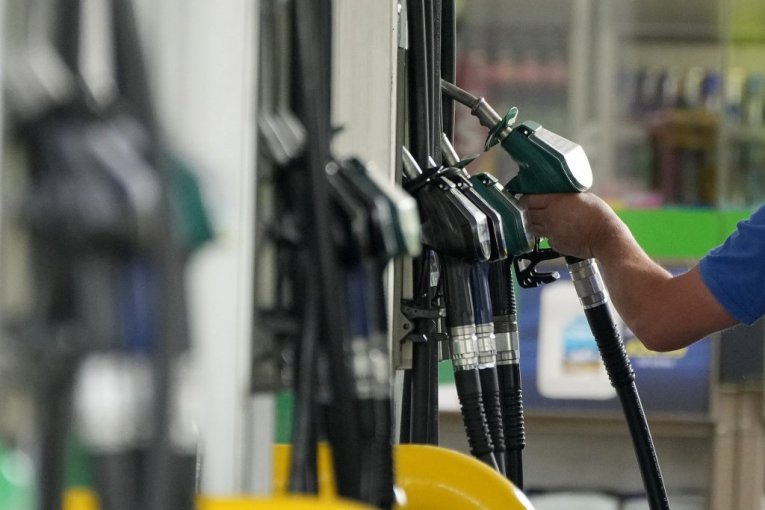
The Serbian government has adopted a temporary 20 percent reduction in excise taxes on oil derivatives, primarily diesel and gasoline, in response to rising crude oil prices on the global market. Both opposition and pro-government outlets agree that the measure took effect on March 13 and is scheduled to last until April 15, 2026, with a 20 percent cut in excise duties translating into roughly 14.81 dinars less per liter of diesel and 14.4 dinars less per liter of gasoline. They also concur on the new indicative retail prices presented in pro-government coverage, which place eurodiesel at 208 dinars per liter and europremium BMB gasoline at 186 dinars per liter, and they both frame the policy as a direct reaction to international oil price volatility and its impact on domestic fuel markets.
Across the spectrum, outlets describe the measure as one element in a broader state response that includes managing fuel reserves and, on the opposition side, highlighting a temporary export ban on most oil and petroleum products that runs until March 19. Both camps acknowledge that Serbia currently has substantial stocks of diesel, gasoline, other petroleum products, and gas, and that the authorities intend to use these reserves as a buffer against external shocks. They also agree that official actors, including the government and presidency, position the excise cut as an instrument to shield citizens and the economy from the immediate effects of global price increases, even as geopolitical tensions and the international energy situation remain key structural drivers.
Areas of disagreement
Motives and framing of the measure. Opposition-aligned sources depict the 20 percent excise reduction as a reactive, time-limited fix imposed by international price pressures, implicitly suggesting it is a forced move rather than a proactive reform. Pro-government outlets instead frame it as a deliberate, protective policy choice, emphasizing that it is a carefully calibrated state measure to support citizens and the economy. While opposition reports highlight the narrow timeframe and temporary character, pro-government coverage stresses leadership, responsibility, and the narrative that the government is in control of events.
Economic impact and sufficiency. Opposition outlets, by foregrounding the temporary nature of the cut and the simultaneous export ban, imply that the government is only partially cushioning consumers from broader price hikes and that the relief may be modest or short-lived. Pro-government media, in contrast, underline the exact dinar reductions per liter and label the price increase as minimal, arguing that the excise cut significantly mitigates the burden on households and businesses. The former hint at structural vulnerability to global markets, while the latter insist the policy framework is robust and adequate.
Role of state capacity and reserves. Opposition coverage notes the existence of fuel reserves and restrictions on exports but tends to connect these to concerns about supply security and the need for tighter controls in a volatile environment. Pro-government outlets, echoing presidential statements, strongly emphasize that Serbia has sufficient reserves for many days of consumption and that the state stands ready to release them, portraying this as proof of effective planning and resilience. Thus, opposition pieces treat reserves and bans as defensive tools in a risky situation, while pro-government stories treat them as evidence the country will not face shortages or uncontrolled prices.
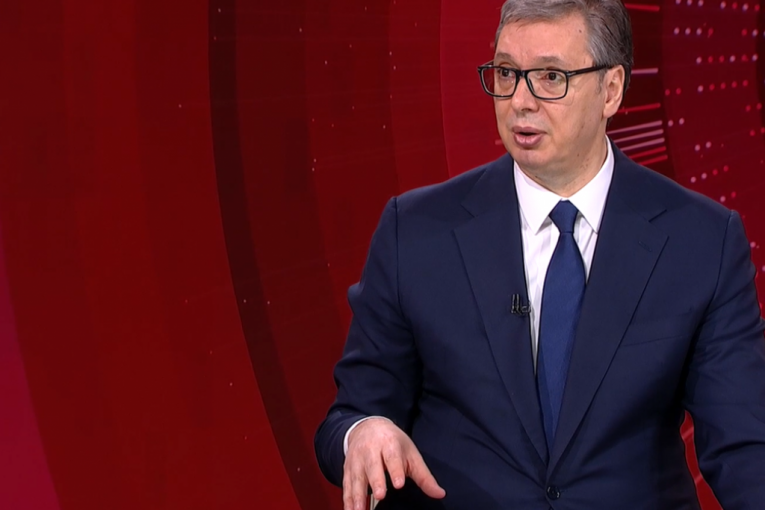
Political leadership and accountability. Opposition-aligned media largely keep the focus on the government’s policy instruments and deadlines, with less personalization and more implicit questioning of long-term energy management. Pro-government outlets prominently feature the president and ministers as central actors, quoting assurances that “crazy prices” will not be allowed and highlighting their role as protectors of citizens. Where opposition texts invite scrutiny of whether current policies are enough or timely, pro-government narratives personalize success, stressing decisive leadership and downplaying potential missteps.
In summary, opposition coverage tends to portray the 20 percent excise cut and related measures as short-term, externally driven responses that only partially shield consumers and underscore Serbia’s vulnerability to global markets, while pro-government coverage tends to present the same policy as a strong, deliberate act of responsible leadership that keeps prices under control, demonstrates state capacity, and reassures citizens about both supply and affordability.