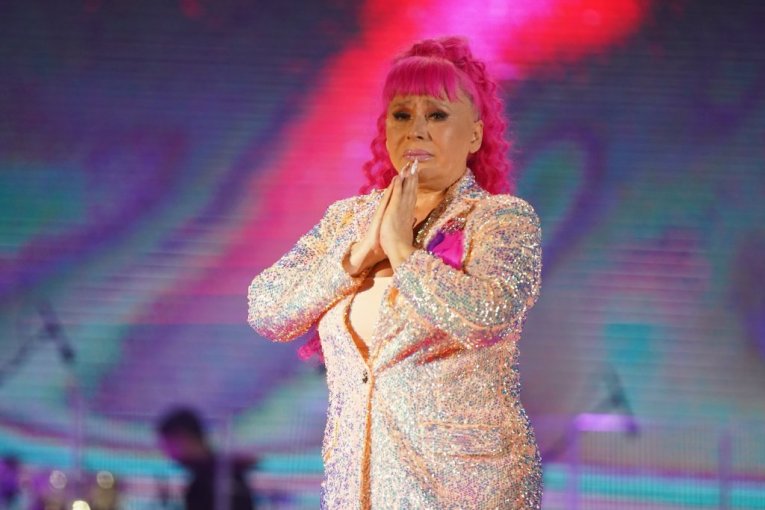
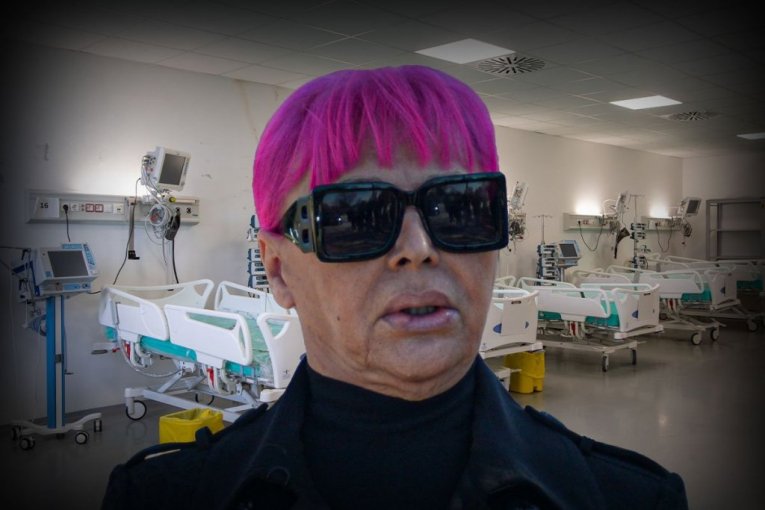
Singer Zorica Brunclik is reported across outlets to be recovering well after medical procedures, including at least one cystoscopy and a total of two surgeries related to recent health problems. All sides agree that she has been temporarily absent from public life and from her role on the music talent show "Pinkove zvezde" on TV Pink, that she plans to return to the show very soon—potentially as early as next week according to on‑air statements—and that her presence is considered important both by colleagues and by parts of the audience.
There is also broad agreement that Brunclik has remained symbolically present in the program’s ecosystem through social media engagement, even while physically away from the judging panel. Coverage from different sides converges on her long‑standing status as a recognizable authority figure in the music scene, reflected in testimony from former contestants like Igor Stošić, who describe an initial fear of her strict demeanor that later turned into respect and admiration, reinforcing her dual image as both demanding and inspirational within the format of "Pinkove zvezde".
Areas of disagreement
Framing of her absence. Opposition‑aligned outlets tend to emphasize the opacity surrounding her health issues, suggesting that the timing and communication of her surgeries fit into a broader pattern of selective disclosure by media close to the government. Pro‑government outlets frame her absence as a straightforward medical leave, stressing reassuring updates, smooth recovery, and an almost scheduled, drama‑free return to television.
Role of TV Pink. Opposition sources typically portray TV Pink as a politically aligned media platform and treat Brunclik’s return mainly as part of the channel’s broader image management, hinting that her comeback is used to project normalcy and stability. Pro‑government coverage spotlights Pink as a caring institutional employer and entertainment flagship, foregrounding hosts like Bojana Lazić who publicly express support and underline how much Brunclik means to the team and viewers.
Tone toward public criticism. Opposition‑leaning media are more likely to give space to or neutrally relay negative public comments, including those tied to Brunclik’s earlier conflict with Desingerica, framing criticism as a legitimate part of public debate over stars associated with pro‑government circles. Pro‑government coverage instead tends to minimize or explicitly lament such negative reactions, highlighting colleagues’ regret over harsh comments and casting Brunclik as a respected artist unfairly targeted while dealing with health issues.
Characterization of her persona. Opposition outlets, when they pick up the story, often stress her polarizing public image and political symbolism, noting that her authoritative TV presence can be intimidating and that admiration from contestants coexists with controversy among viewers. Pro‑government outlets accentuate the inspirational arc in contestant testimonies, foregrounding how initial fear of her strictness transforms into appreciation of her professionalism, thus reinforcing a narrative of her as a benevolent, if demanding, mentor figure.
In summary, opposition coverage tends to situate Brunclik’s recovery and TV comeback within a broader critique of TV Pink’s political role and of polarizing public figures tied to power, while pro-government coverage tends to present a warm, apolitical recovery story that highlights her professionalism, popularity, and the supportive environment of the Pink entertainment brand.