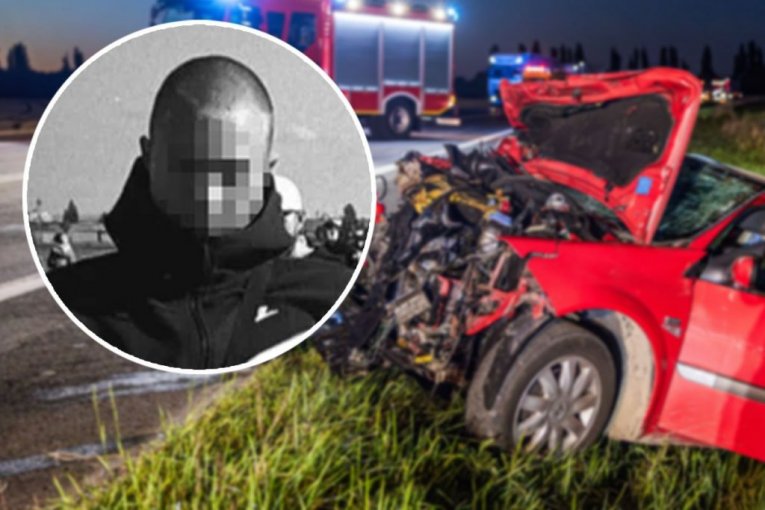

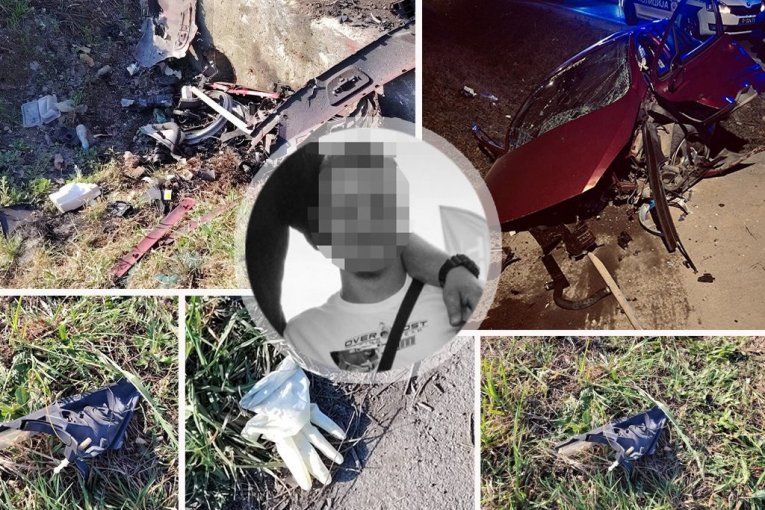
Two teenagers, identified as Mihailo S. and Neda P. (both around 18–19 years old), were killed in a severe car accident near Ugrinovci, in the Busije settlement outside Belgrade, when their vehicle left the roadway and struck a concrete bridge. A third passenger, a young woman named Milica, was seriously injured and transported to hospital in critical condition, with both opposition and pro-government outlets agreeing on the basic outline: nighttime crash, high-impact collision, and deaths at the scene. All sides report that the victims were friends returning from a social gathering or party, that emergency services responded promptly, and that police opened an investigation into the precise cause of the crash, including possible speeding or sudden obstruction on the road.
Across the political spectrum, coverage situates the tragedy within broader worries about youth road safety, driving culture, and the adequacy of traffic enforcement in and around Belgrade’s suburbs. Both opposition and pro-government media note that the driver was young but experienced for his age and a known car enthusiast, and they highlight family testimony stressing that he was a responsible driver, not associated with alcohol, drugs, or nightlife excesses. Outlets from both camps point to institutional actors such as traffic police, emergency medical services, and local authorities as central to the ongoing investigation and to any future measures, and they reference existing calls for stricter control of speed, better road infrastructure, and improved education of young drivers as shared context rather than points of dispute.
Areas of disagreement
Responsibility and blame. Opposition-aligned sources tend to emphasize systemic failings, portraying the crash as a symptom of poor road maintenance, weak enforcement of traffic laws, and a state that tolerates dangerous driving conditions in suburban areas. Pro-government outlets, by contrast, foreground personal tragedy and uncertainty about the cause, stressing family claims that the driver was experienced and suggesting that a sudden event such as an animal running into the road may have triggered the loss of control. While opposition media more readily frame the state as indirectly responsible, pro-government coverage resists assigning institutional blame until the police investigation is concluded.
Characterization of the victims and driving behavior. Opposition sources typically present the victims as ordinary young people exposed to unsafe roads and lax enforcement, sometimes hinting that youth speed culture is indirectly fueled by a permissive state. Pro-government reports work harder to defend the driver’s reputation, quoting the father extensively to reject allegations of speeding or recklessness and to underline that the young man avoided alcohol, drugs, and nightlife. The opposition side is more willing to consider speed or risky driving as a factor within a broader cultural problem, while pro-government outlets stress that even driving at about 110 km/h could be normal for that road and insist that the victims not be stigmatized.
Focus of criticism and reform. Opposition media use the accident as a springboard to criticize institutions, linking it to recurring fatal crashes and arguing that authorities have failed to implement meaningful reforms in traffic safety, driver education, and infrastructure around Belgrade’s outskirts. Pro-government coverage is more restrained, generally treating the tragedy as an isolated incident and limiting discussion of reforms to generic calls for caution and compliance with existing regulations. Where opposition outlets press for accountability from specific ministries or officials, pro-government outlets largely keep officials in the background and avoid framing the event as evidence of systemic governance failure.
Narrative tone and political framing. Opposition-aligned reporting is more likely to adopt an accusatory tone, weaving the accident into a pattern of state negligence and using it to question priorities of the current government. Pro-government media adopt a more apolitical, human-interest tone, centering grief, family testimonies, and community shock, and offering only cautious speculation about the cause. As a result, the same facts are embedded either in a politicized narrative of institutional decay or in a depoliticized story of misfortune and mourning.
In summary, opposition coverage tends to treat the Ugrinovci crash as emblematic of broader state and infrastructure failures demanding accountability and reform, while pro-government coverage tends to frame it primarily as a personal tragedy with uncertain causes, emphasizing individual innocence and avoiding direct institutional blame.
Story coverage