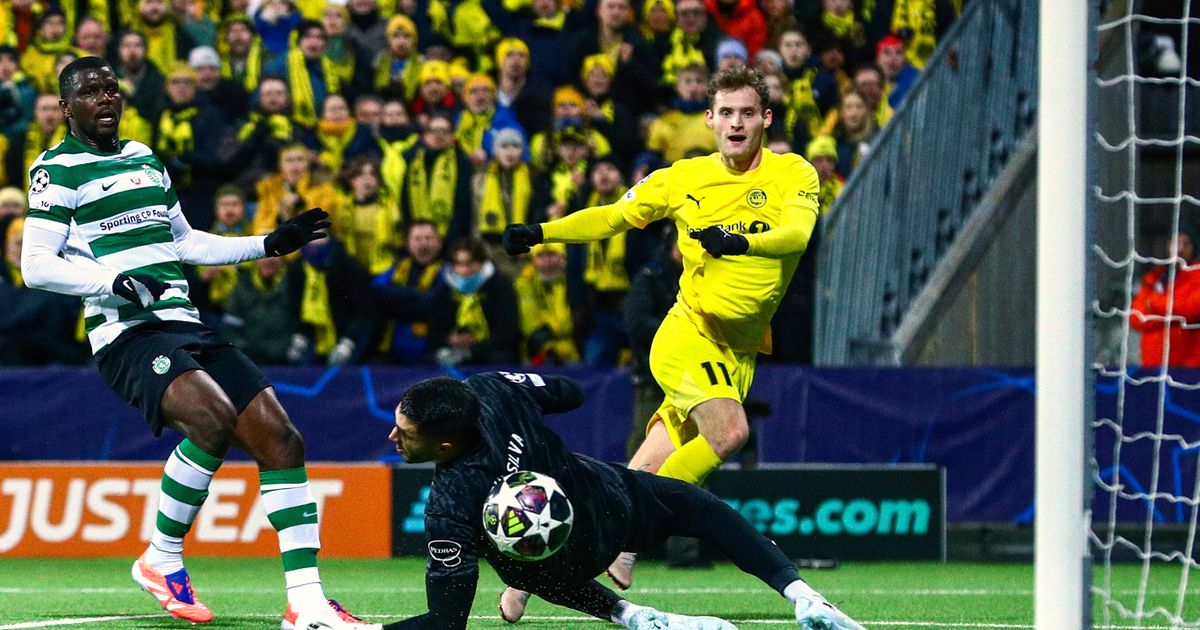


Real Madrid, Paris Saint-Germain and Bodø/Glimt all recorded clear first-leg wins in their latest Champions League fixtures, with coverage from both sides broadly agreeing on the core facts of the matches. Real Madrid beat Manchester City 3-0, with Federico Valverde scoring all three goals in what is widely described as a hat-trick that "demolished" the reigning European champions. Paris Saint-Germain defeated Chelsea 5-2, scoring five times in a match where late goals extended the margin, and Bodø/Glimt claimed a 3-0 victory over Sporting (Sporting Lisbon) in what is portrayed as a major upset. All outlets concur that the ties are two-legged affairs and that the return matches are scheduled for the following Tuesday.
Across outlets, there is shared context that these results carry significant weight in the broader Champions League narrative, especially because Manchester City are the current European title holders and were heavily favored, Chelsea are an established Premier League club, and Sporting are a respected Portuguese side. Real Madrid’s win is framed as part of their long-standing European pedigree, PSG’s five-goal display is highlighted as evidence of their attacking firepower in their ongoing quest for continental legitimacy, and Bodø/Glimt’s victory is placed within a continuing “fairytale” run in Europe, emphasizing their status as underdogs. Coverage from both camps agrees that these matches may reshape expectations for the rest of the competition and intensify scrutiny of the bigger clubs ahead of the second legs.
Areas of disagreement
Emphasis and hierarchy of victories. Opposition-aligned sources tend to cast Bodø/Glimt’s 3-0 win over Sporting as the standout story, elevating the underdog narrative and sometimes presenting Real Madrid’s and PSG’s wins as more routine exercises of financial and institutional power. Pro-government outlets, by contrast, generally put Real Madrid’s victory over Manchester City at the top, portraying Valverde’s hat-trick as the central event of the matchday and describing the team’s display as a "five-star" performance. Where opposition coverage may cluster the three results as parallel surprises of varying scale, pro-government coverage constructs a clear hierarchy in which Madrid’s win is the benchmark achievement and the others are supporting stories.
Interpretation of dominance and meaning. Opposition coverage is more likely to question whether the scorelines fully reflect the balance of play, suggesting that City and Chelsea may have underperformed or suffered tactical missteps that flattered the margins of defeat. Pro-government coverage, in contrast, typically takes the scorelines at face value as evidence of clear superiority, presenting Madrid’s and PSG’s wins as emblematic of structural strength, tactical clarity, and individual brilliance rather than opponent failings. While opposition outlets might frame Bodø/Glimt’s result as a warning about complacency among bigger clubs, pro-government pieces tend to underscore it as a romantic subplot within an otherwise predictable consolidation of traditional powers.
Framing of individual stars versus collective effort. Opposition-leaning narratives often stress collective dynamics, pointing to systemic issues in City’s, Chelsea’s, and Sporting’s setups and to the tactical cohesion of Bodø/Glimt more than any single hero. Pro-government coverage, however, gives outsized prominence to standout individuals such as Federico Valverde for Madrid and Khvicha Kvaratskhelia for PSG, using their performances to symbolize club resurgence and to personalize the victories. The former may mention these players within broader tactical analyses, whereas the latter pivots match reports around their names and records, treating them as central protagonists.
Broader political and economic subtext. Opposition outlets are more inclined to embed these results in discussions of financial imbalance and governance in European football, implying that outcomes involving Madrid and PSG reflect wider inequalities, while Bodø/Glimt’s success is framed as a rare challenge to that order. Pro-government outlets, by comparison, largely bracket out such structural critiques, celebrating the same results as validation of well-managed, ambitious clubs and a sign of the league’s overall health and competitiveness. Where opposition coverage sometimes uses the matches to question the status quo in football governance, pro-government pieces present them as confirmation that investment, planning, and institutional continuity are paying off.
In summary, opposition coverage tends to relativize the big clubs’ wins, spotlight underdog drama, and connect the results to critiques of structural inequality, while pro-government coverage tends to celebrate Real Madrid’s and PSG’s dominance, foreground star performers, and treat the outcomes as natural expressions of strong institutions.