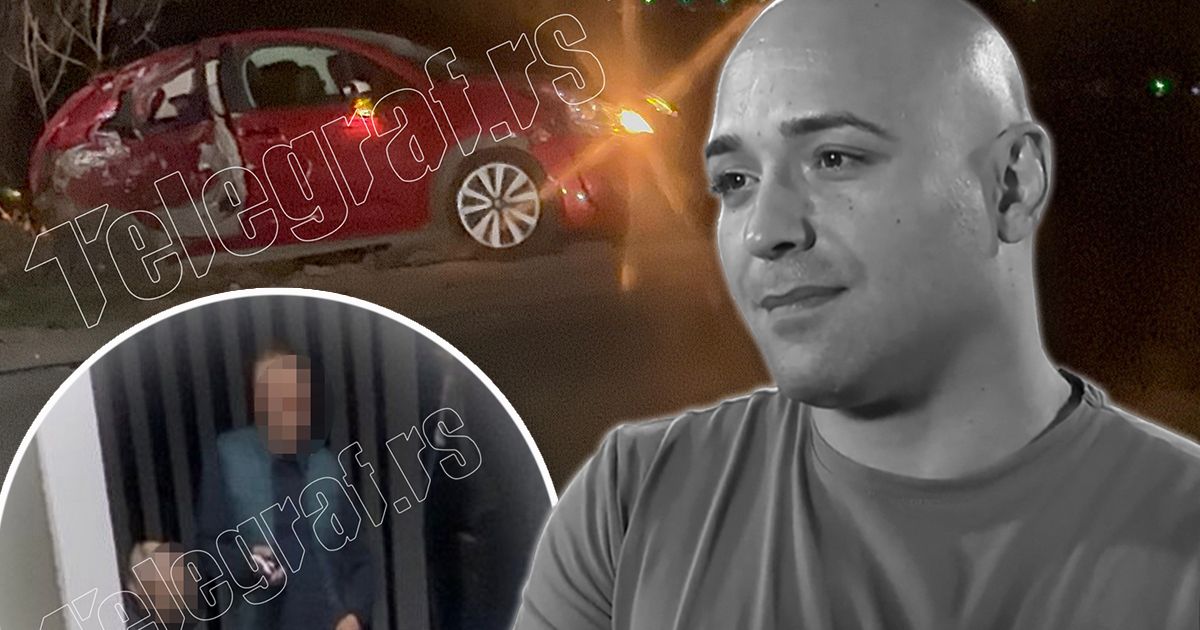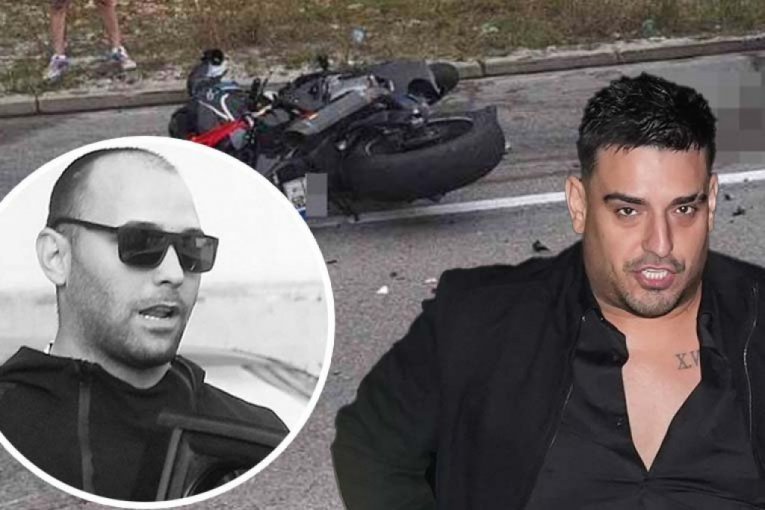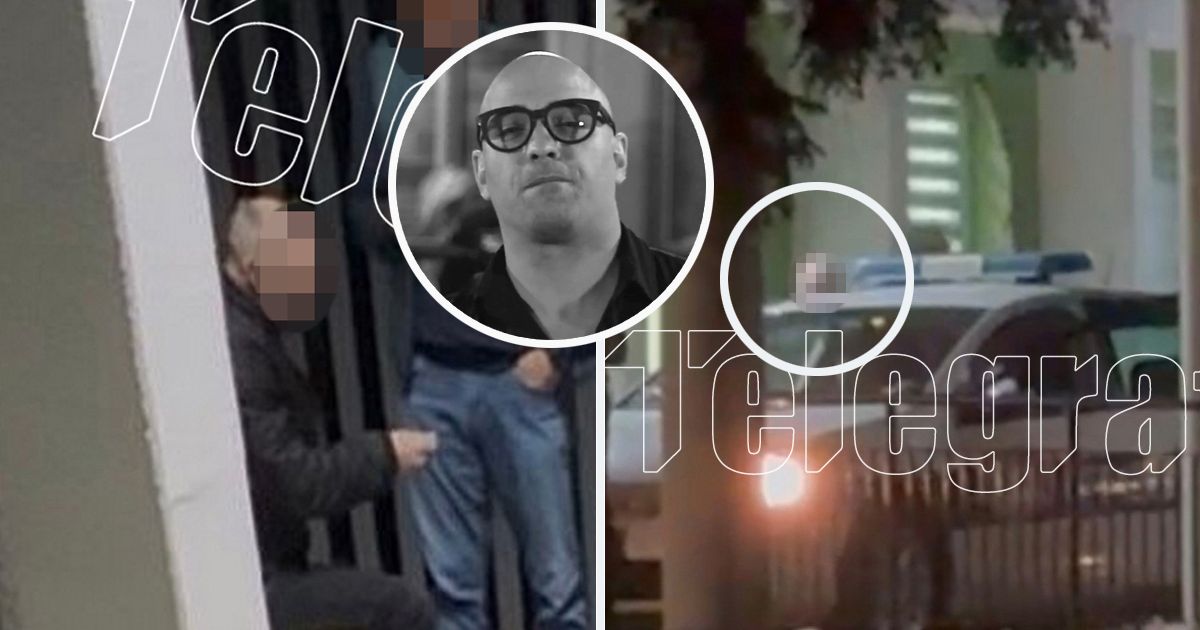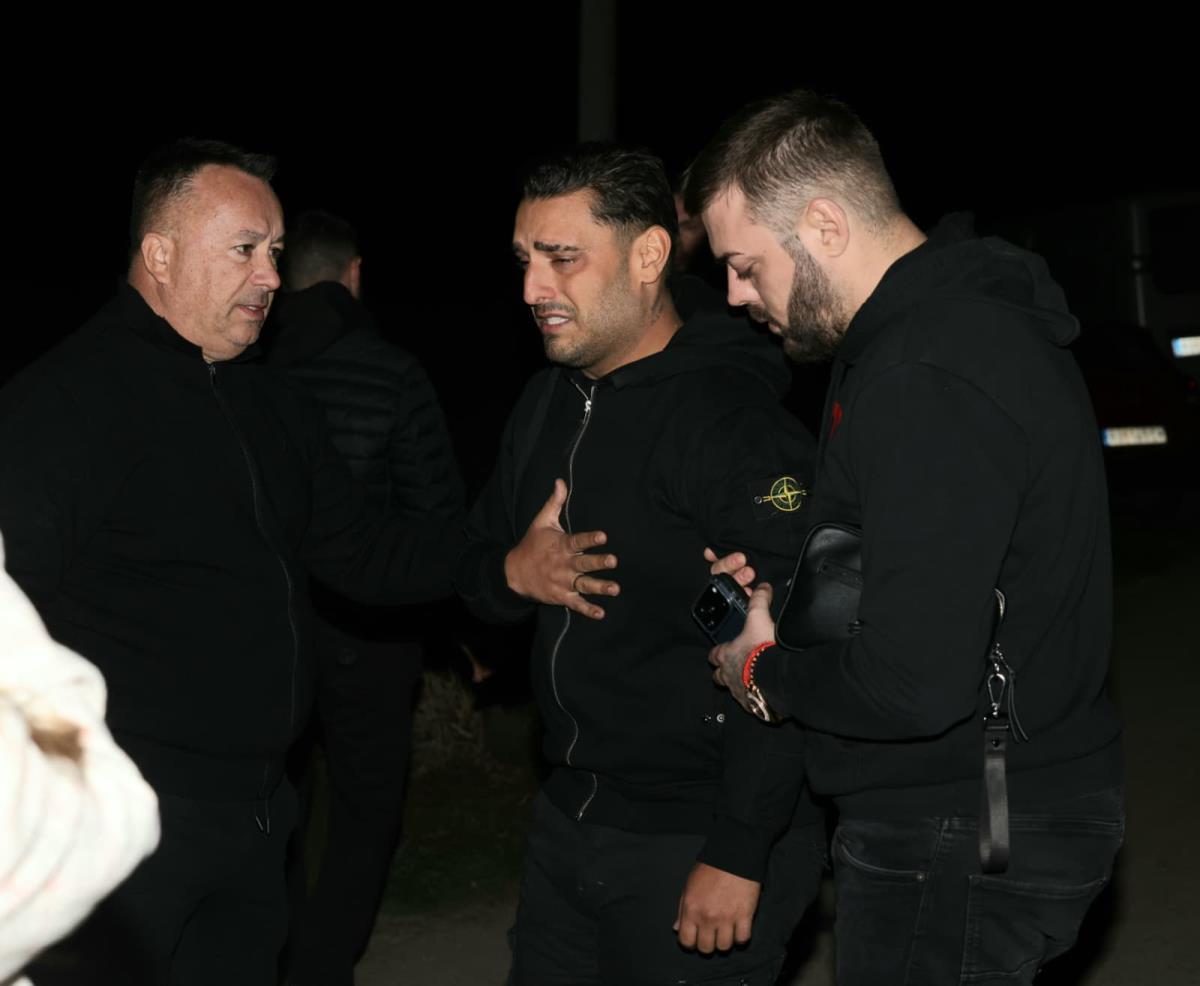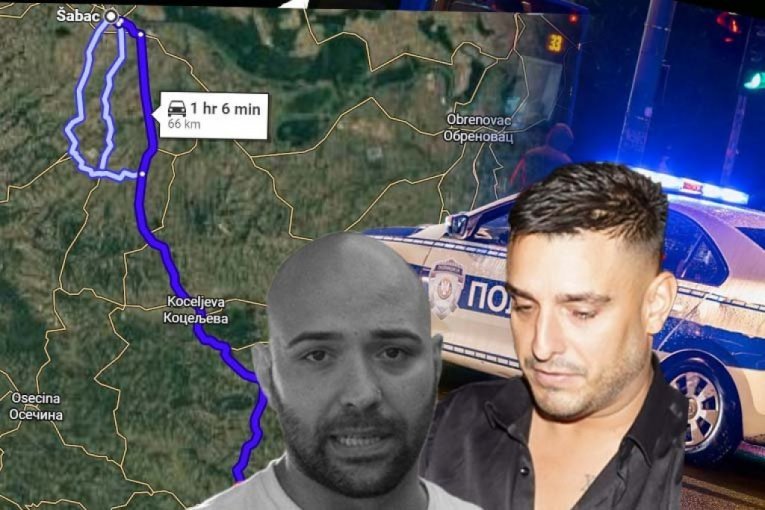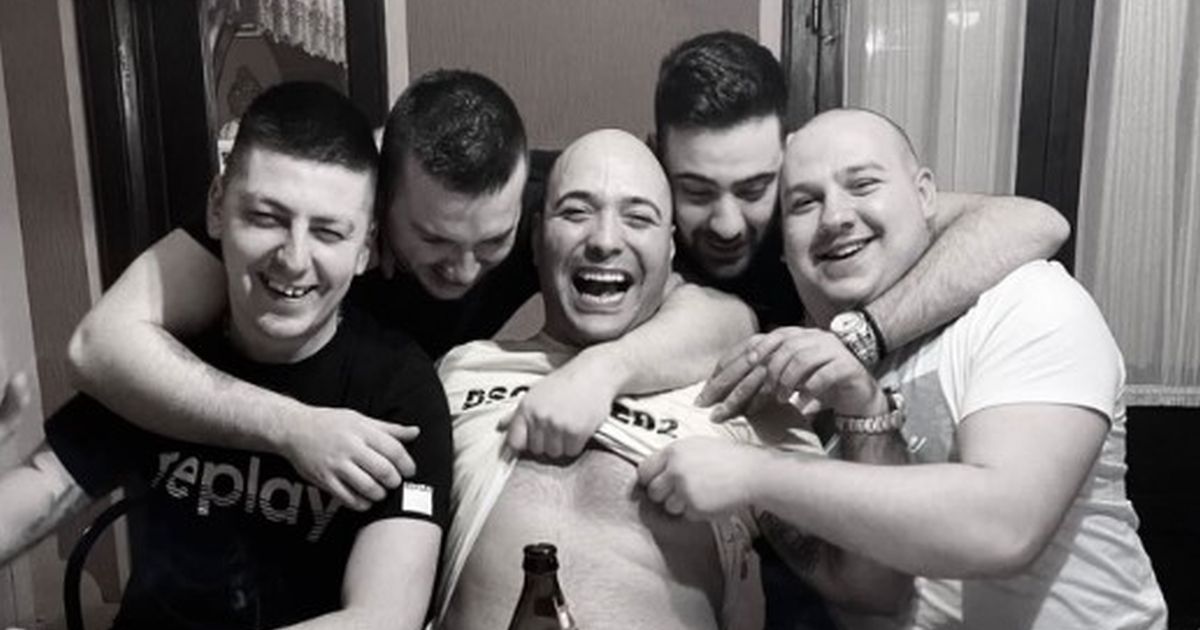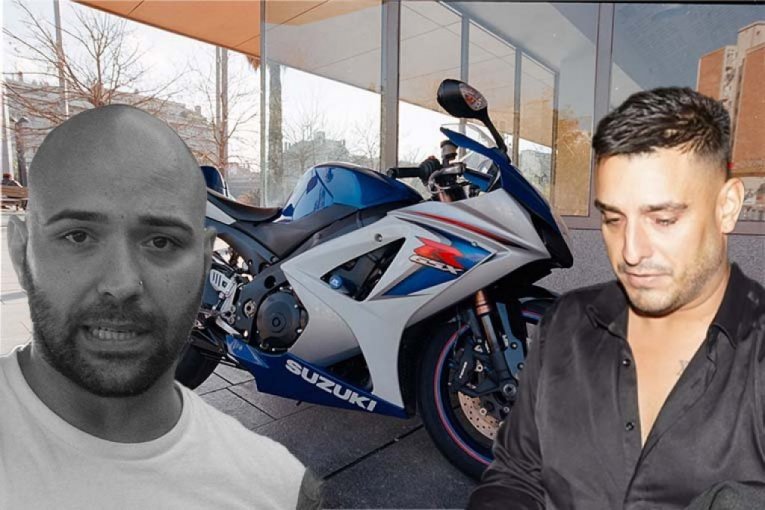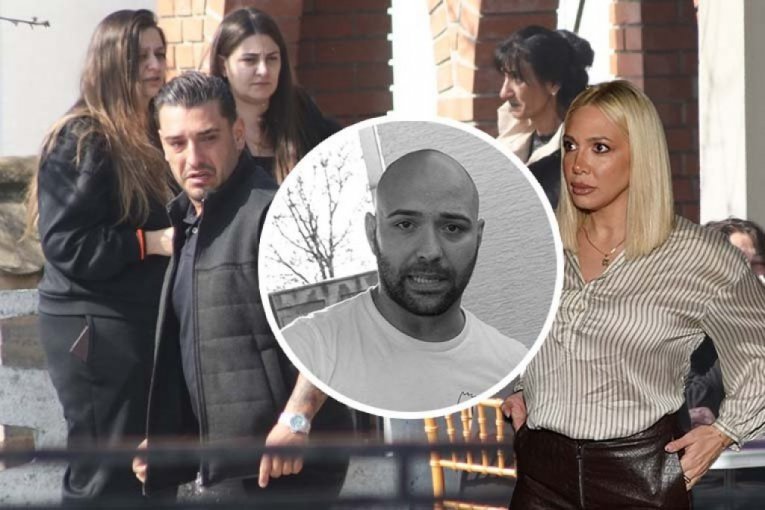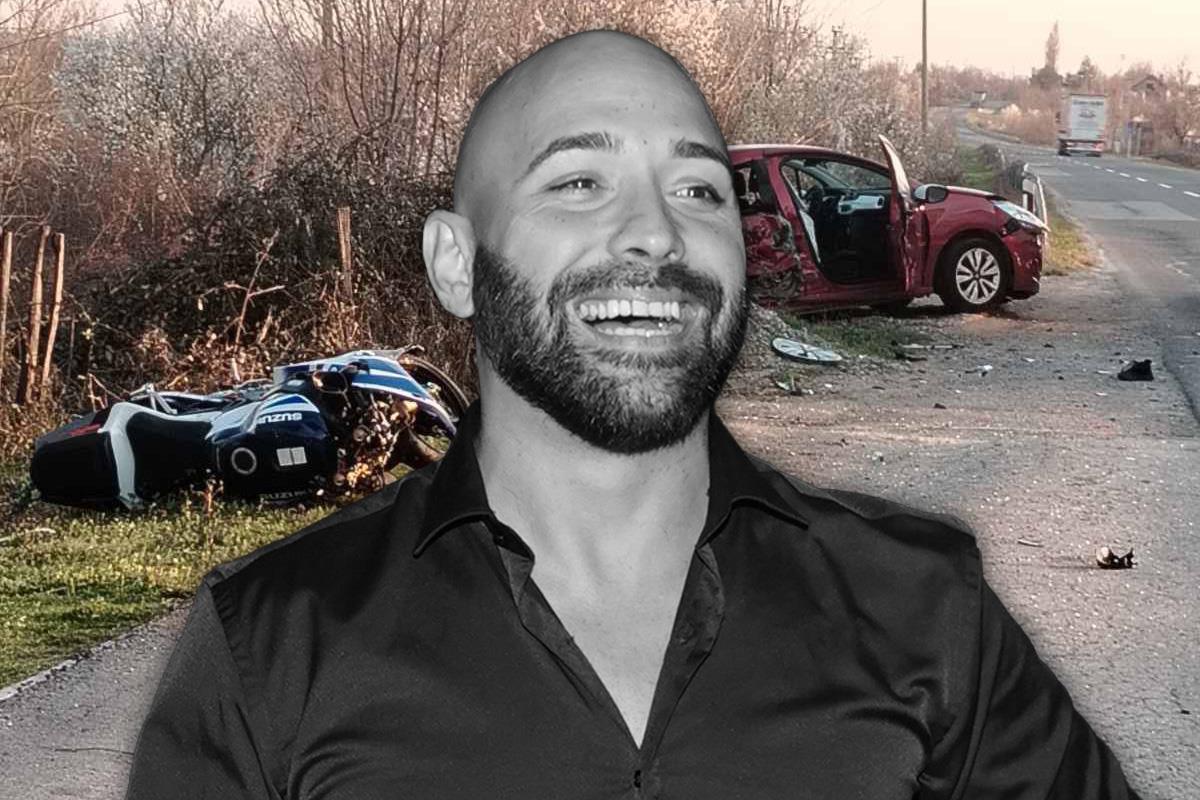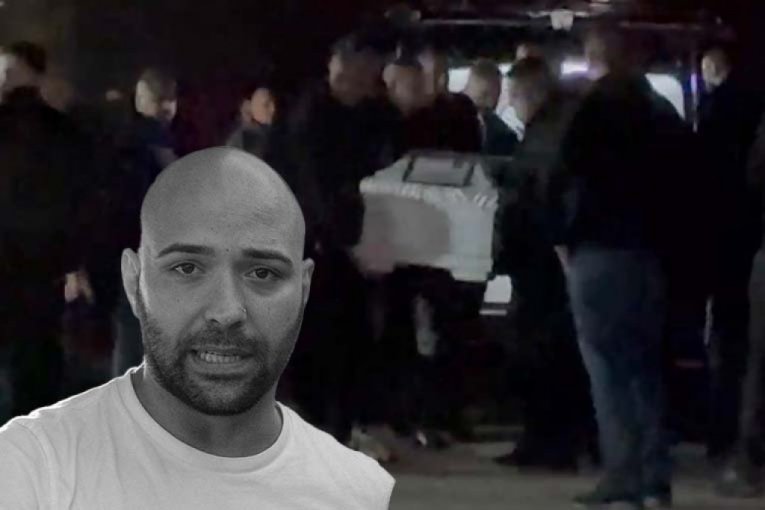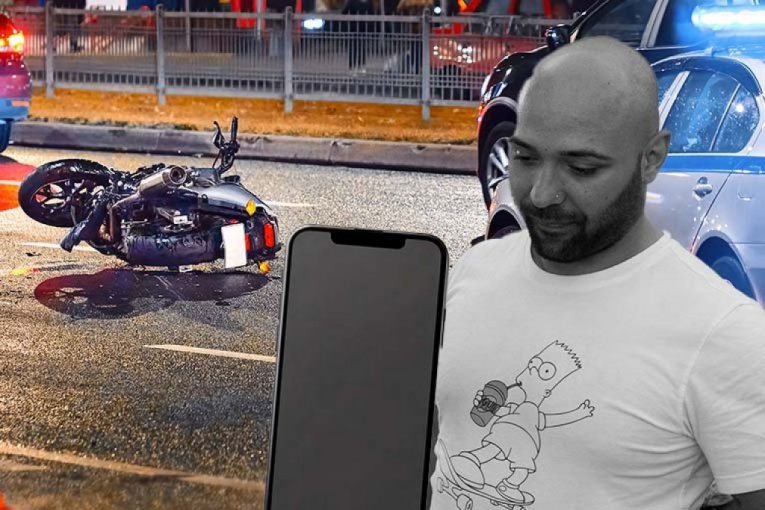



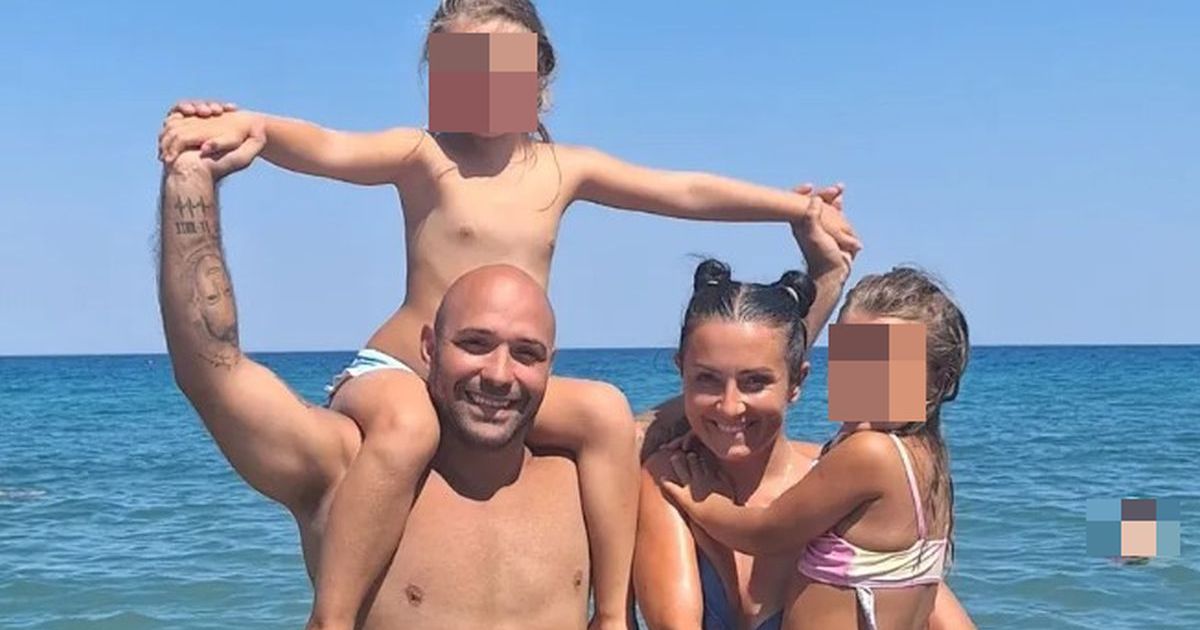
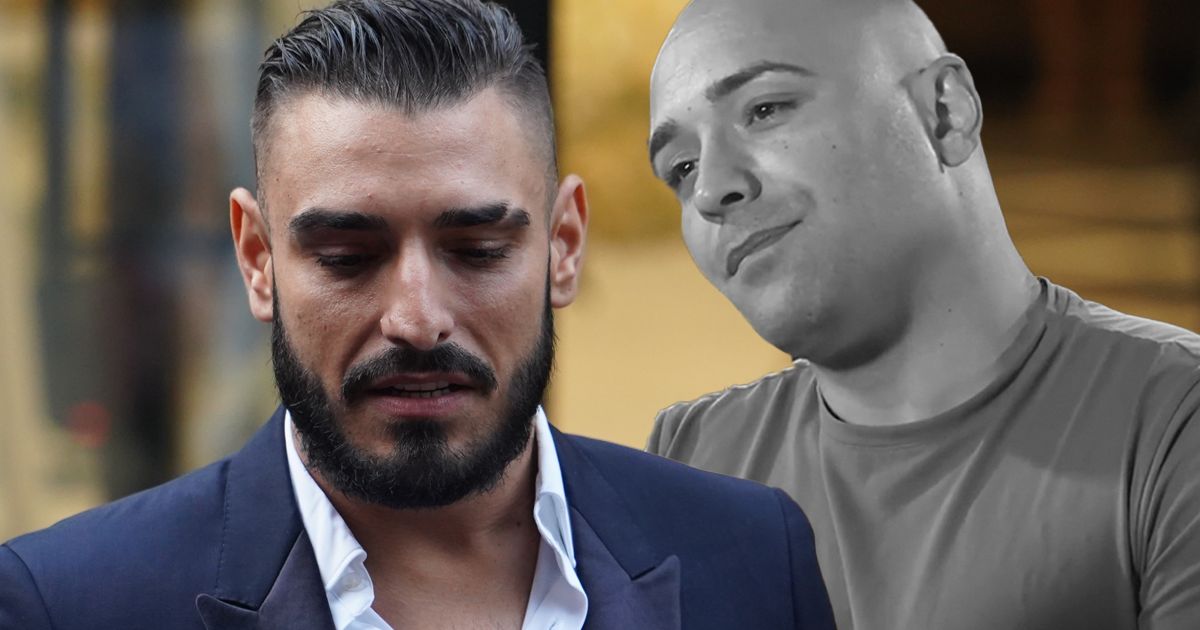
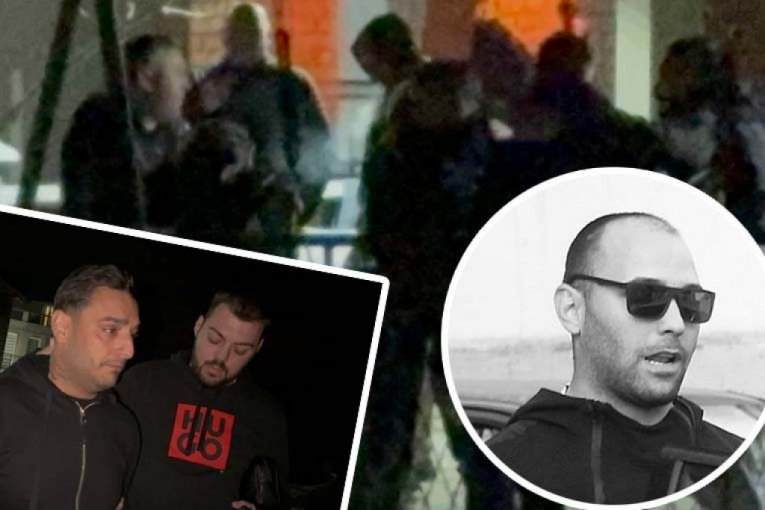
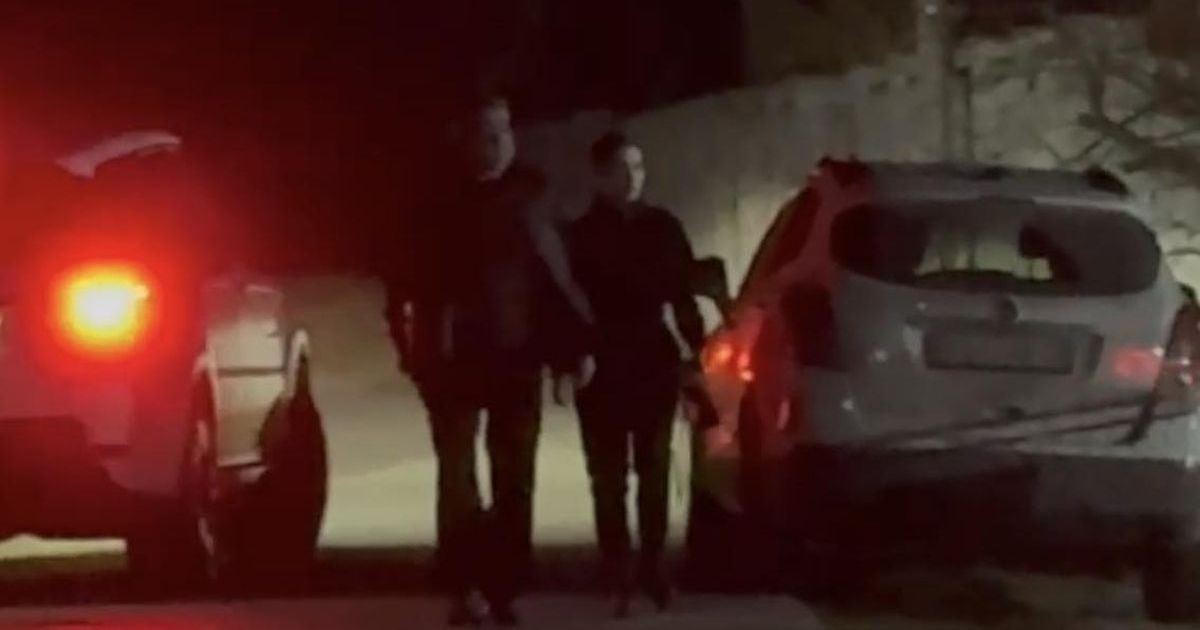
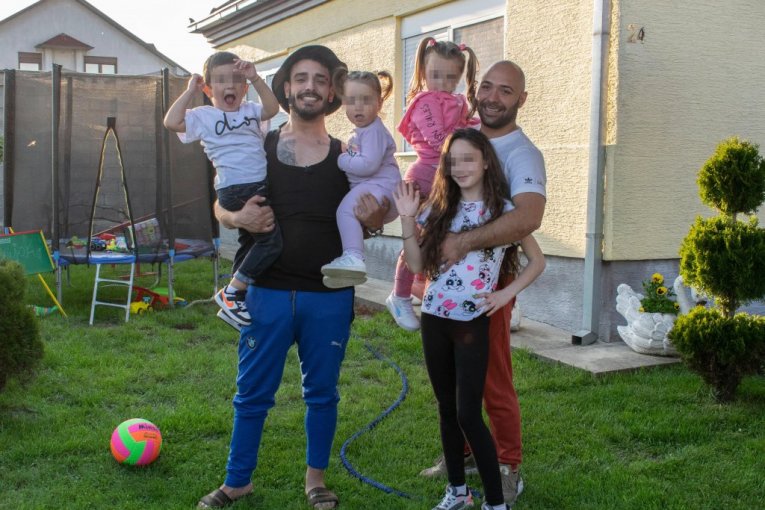
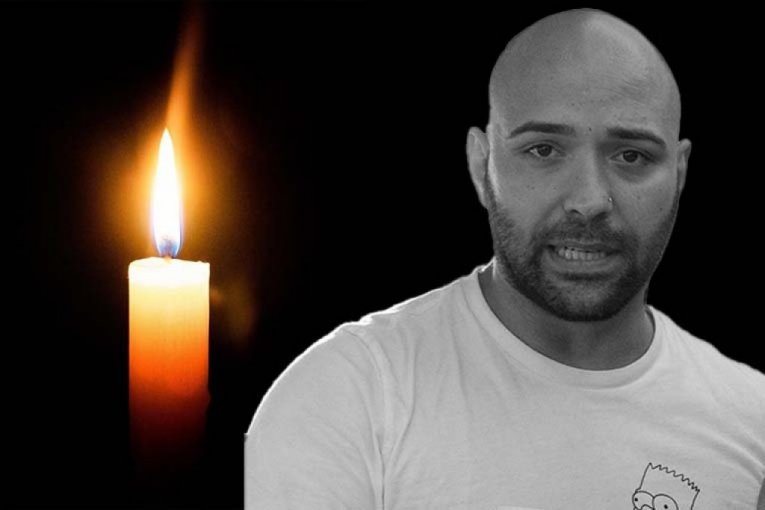
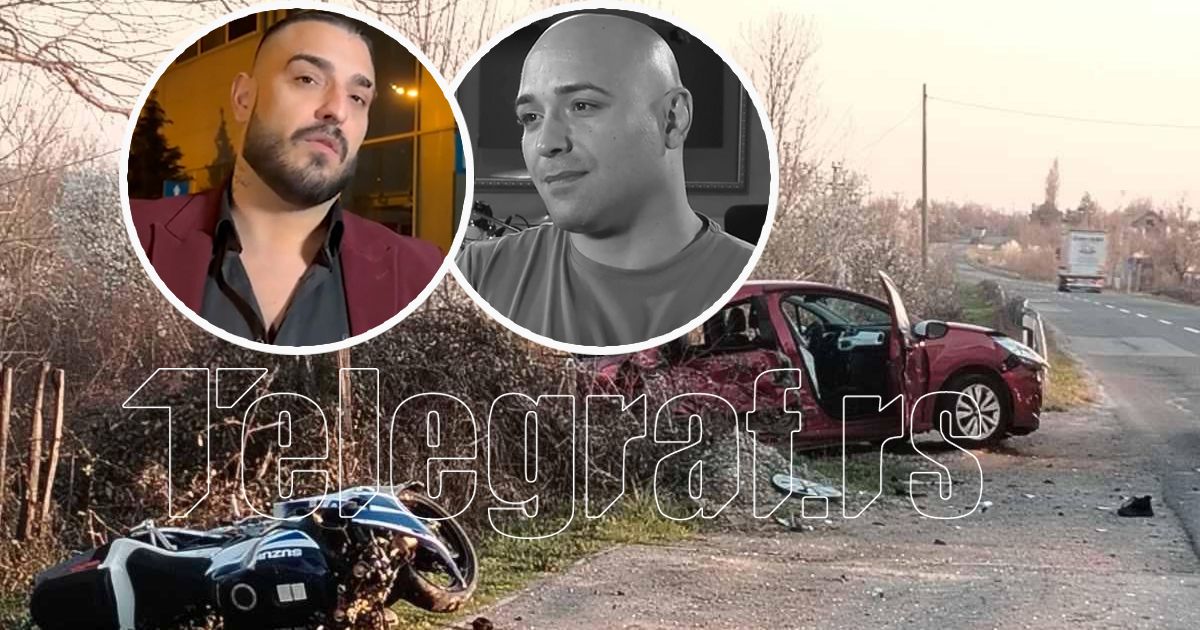
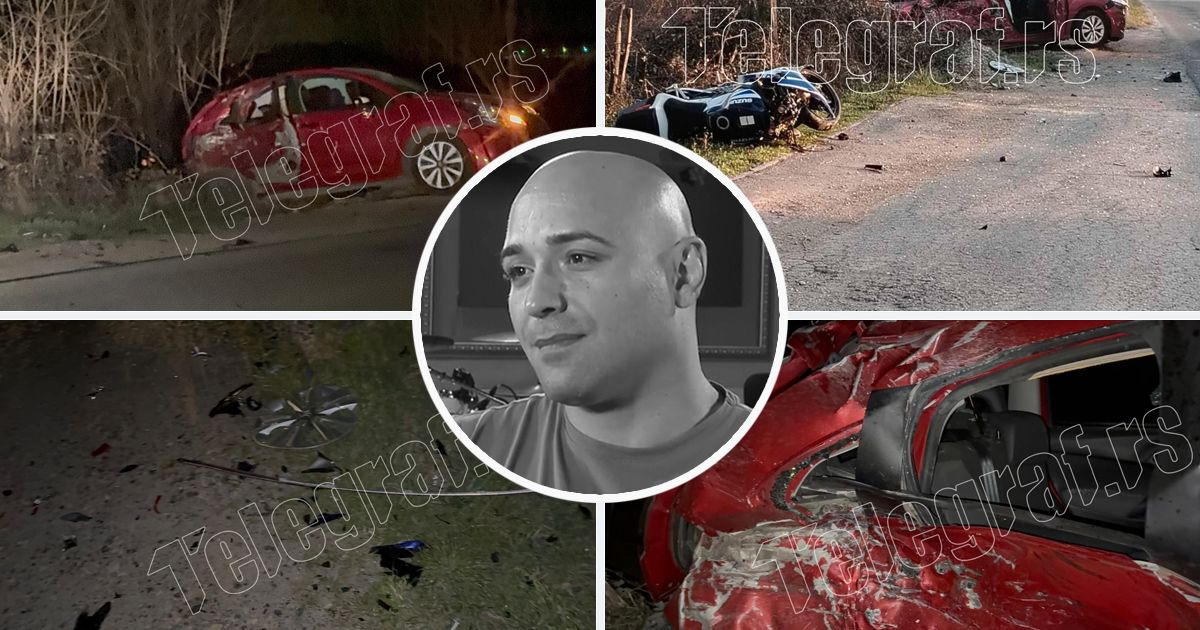
Dragan Lazić, 32‑year‑old younger brother of singer Darko Lazić, died on March 11 in a traffic accident near Šabac, on the Šabac–Valjevo road, when the motorcycle he was riding collided with a Citroen driven by 62‑year‑old V. K. Both opposition and pro‑government sources agree that the critical moment was a left turn by the car into a side road, during which the motorcycle’s path was cut off, leading to a violent impact that left motorcycle parts scattered across the road and also injured a female passenger in the car. They concur that Dragan showed signs of life immediately after the crash, received emergency medical attention, and either died at the scene during resuscitation or en route to / shortly after arrival at a nearby health facility, while the car driver suffered no or only light injuries and has been detained for up to 48 hours as part of a criminal investigation into a serious traffic‑safety offense. Reports align that Dragan left behind a wife and two young daughters, that he had spent time with Darko in a café in Šabac shortly before the accident and was returning home, and that the funeral was scheduled for March 13 with a large turnout expected from family, friends, colleagues, and bikers.
Coverage on both sides also situates the crash within wider patterns and procedural steps: they mention the Šabac Police Administration and the Basic Public Prosecutor’s Office overseeing the case, toxicology tests confirming that the car driver was not under the influence of alcohol or drugs, and the ongoing effort to determine vehicle speeds, use of turn signals, and other technical details. Outlets agree that this is at least the third fatal motorcycle accident in the Šabac region in a short span of days, underlining broader concerns about motorcyclist safety and road conditions, and that Dragan did not possess the proper category of license for the powerful motorcycle he was riding. Both sides highlight that the tragedy has deeply shaken the entertainment community and the broader public, with a stream of condolences and visits to the Lazić family home in Brestač from fellow performers and friends, and they note that Dragan himself was musically active but maintained a low public profile despite occasionally performing.
Areas of disagreement
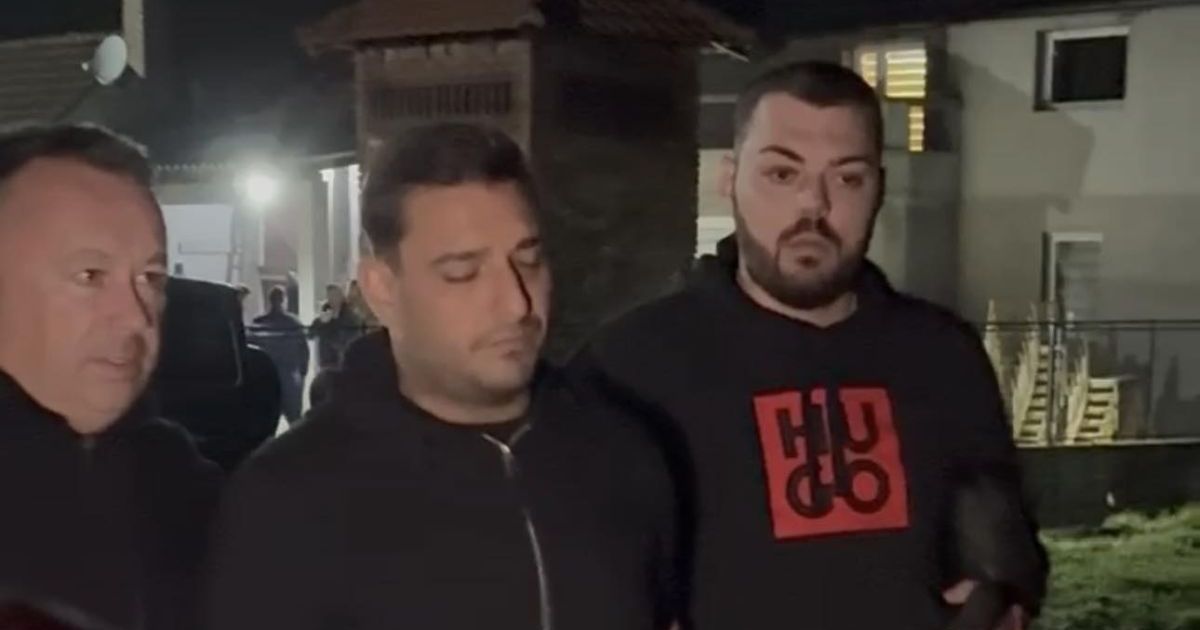
Causation and primary fault. Opposition‑aligned reporting tends to frame the event narrowly as a criminal traffic case, emphasizing that the 62‑year‑old car driver has been arrested on suspicion of causing a fatal accident, with the narrative implying his left‑turn maneuver as the central error. Pro‑government outlets, while also noting the driver’s detention and the left‑turn cut‑off, more actively balance this by highlighting that toxicology tests found no alcohol or drugs in his system and that investigators are checking speeds and signaling by both parties. In addition, pro‑government pieces repeatedly stress Dragan’s lack of an appropriate motorcycle license and the power of the bike, introducing shared or contributory responsibility more explicitly than opposition sources, which largely omit or downplay this angle.
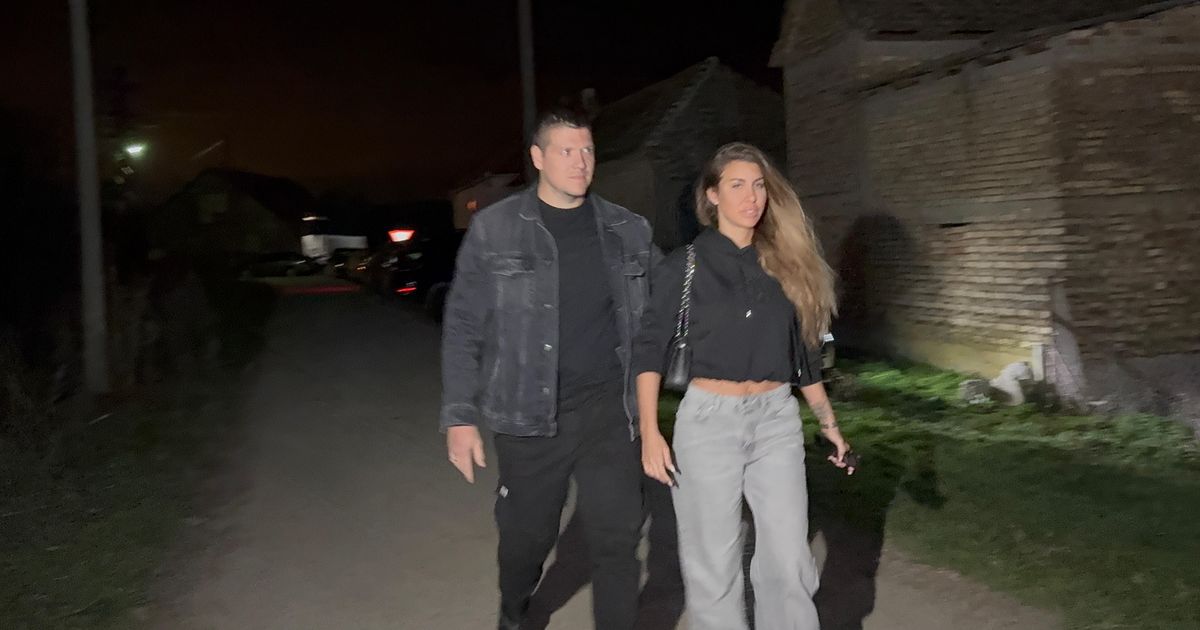
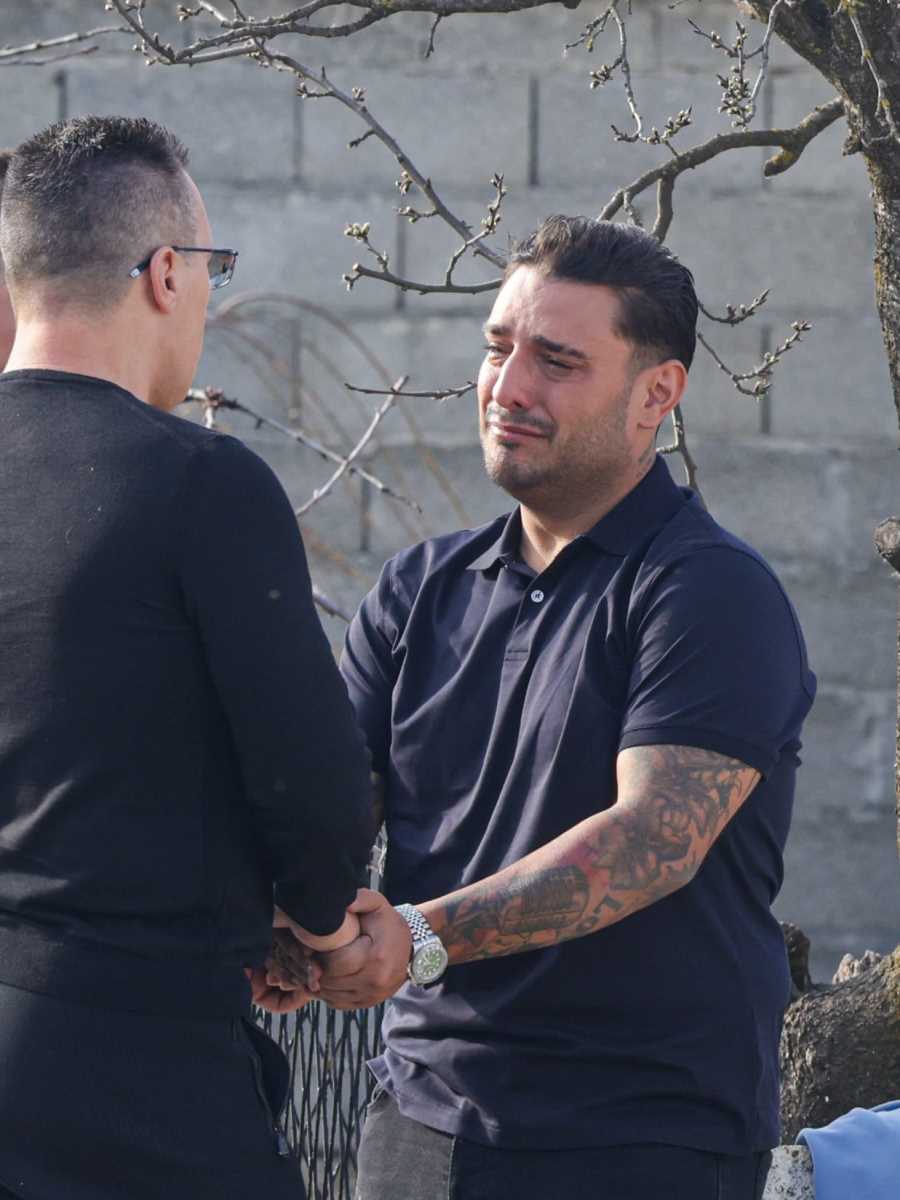
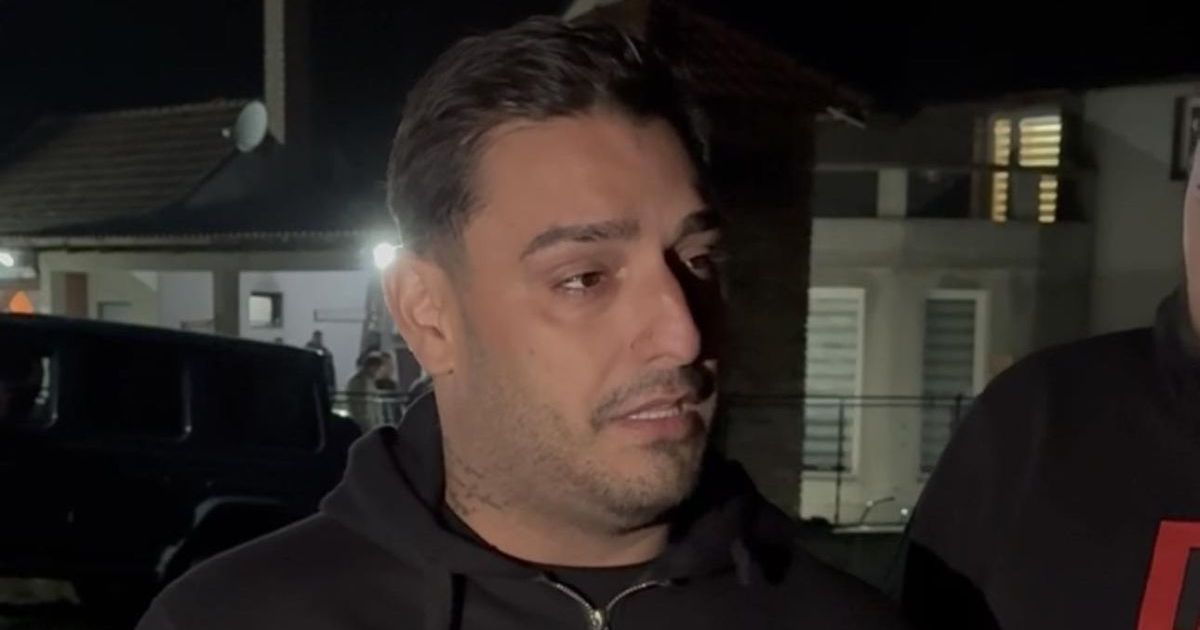
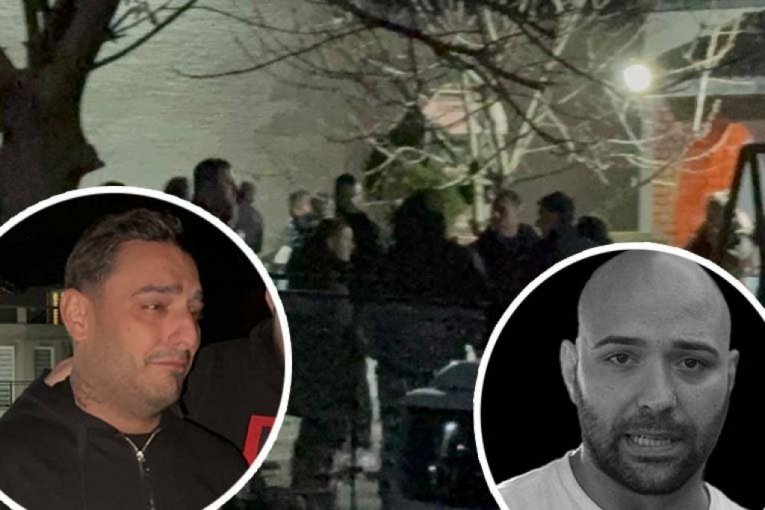
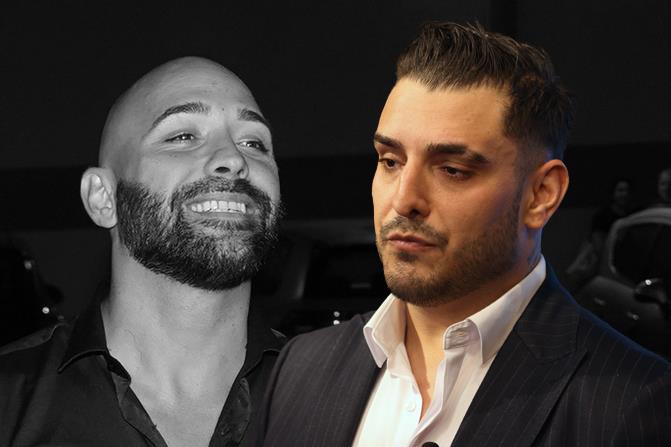
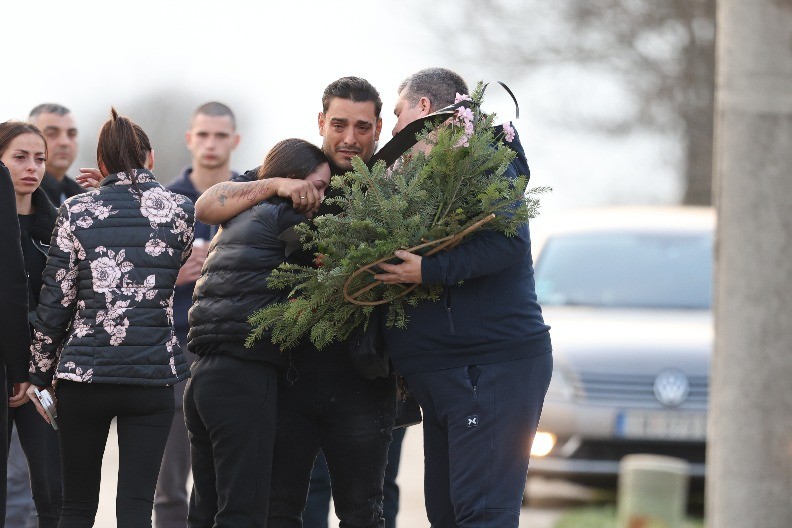
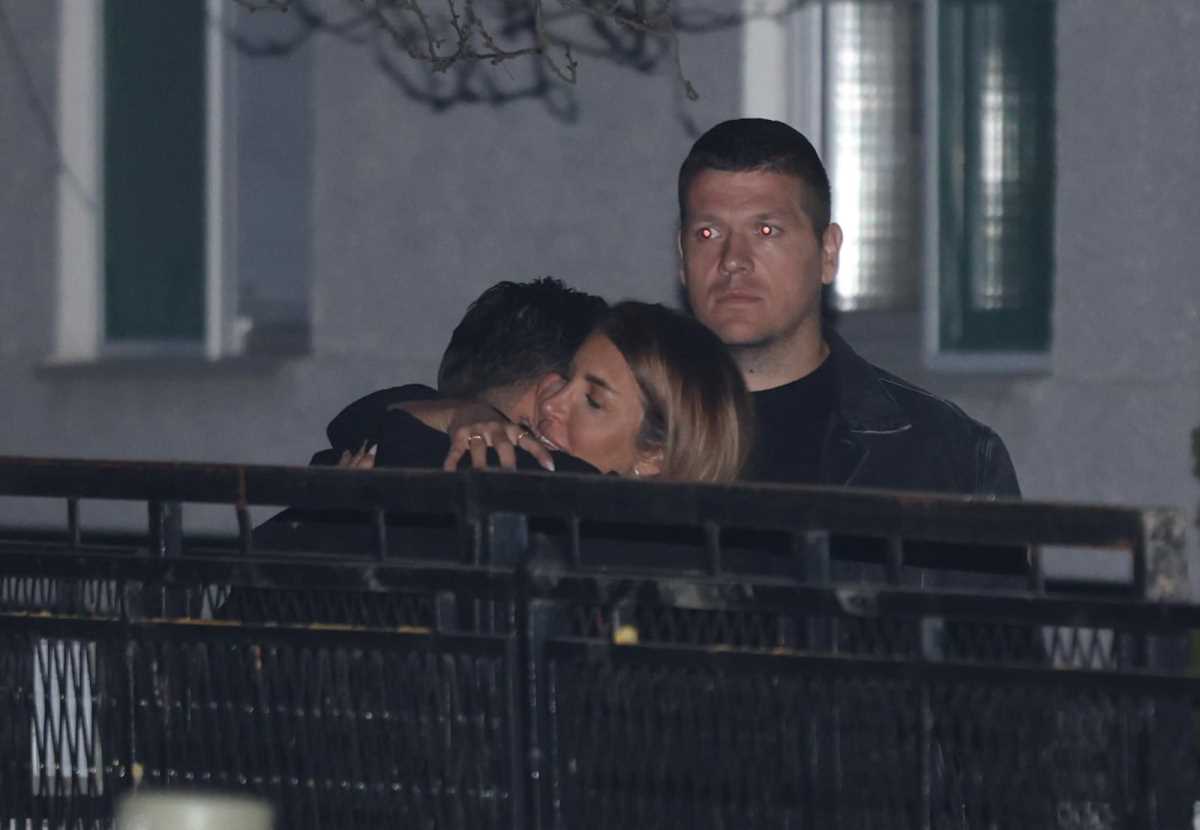
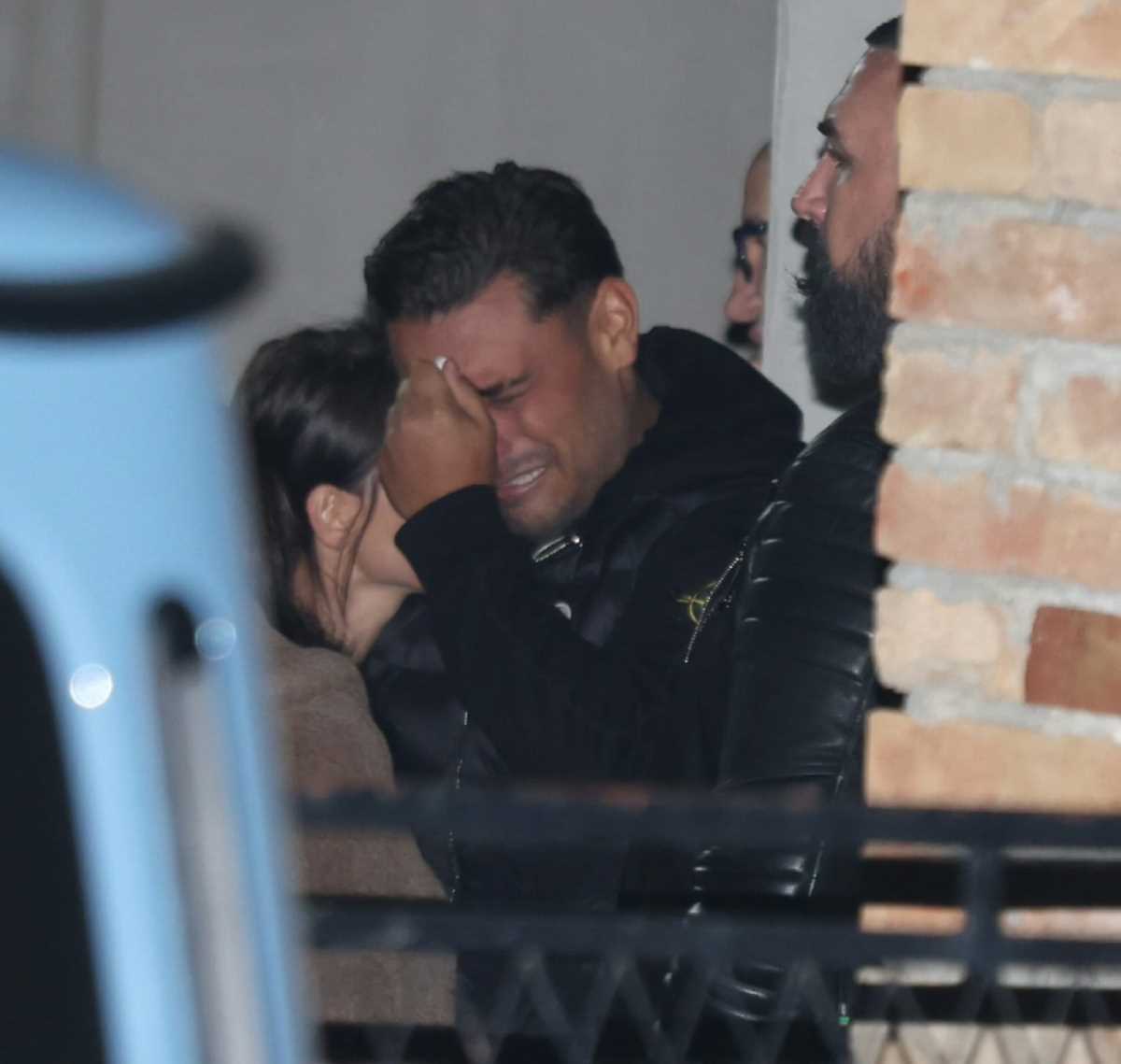
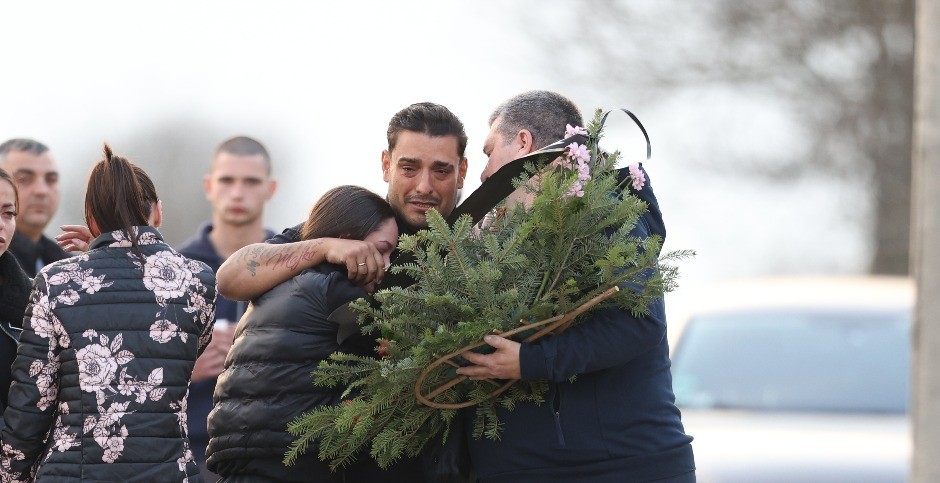
Focus of coverage and emotional framing. Opposition‑aligned sources keep the focus on the formal police announcement and investigative facts, presenting the case in a relatively restrained tone with minimal personalization beyond noting the death of a motorcyclist. Pro‑government media place the Lazić family and celebrity milieu at the center, extensively covering scenes of grief at the family home, the presence of well‑known singers, and Darko’s emotional statements like having “lost half of himself,” with dramatic descriptions and imagery. This results in opposition coverage reading as a standard fatal‑accident brief, while pro‑government coverage becomes a highly emotional, personality‑driven story that dominates the broader news agenda.
Systemic context and road safety narrative. Opposition‑aligned coverage, based on the available reporting, treats the crash primarily as an isolated legal case and does not expand much into patterns of motorcycle deaths or systemic road‑safety issues in the Šabac area. Pro‑government outlets more often embed the incident in a narrative of a recent string of motorcyclist fatalities around Šabac, mentioning that Dragan is the third victim in six days and emphasizing the dangers of powerful motorcycles and possible rider mistakes. In doing so, pro‑government media implicitly shift part of the discussion from individual culpability of the car driver toward broader cautions about riding behavior, licensing, and personal responsibility.
Use of sensational details and political adjacency. Opposition‑aligned reporting on this specific case appears relatively sparse and procedural, with little use of graphic or sensational elements and no attempt to link the accident to political themes beyond basic police and prosecutorial actions. Pro‑government outlets, by contrast, frequently use highly charged language, emotional photo galleries, last‑ride videos from social media, and minute descriptions of family members’ reactions, at times mixing the story in composite articles with unrelated geopolitical or domestic scandals. This blending of entertainment tragedy, crime details, and broader tabloid content in pro‑government media contrasts with the more compartmentalized, low‑profile treatment in opposition reporting.
In summary, opposition coverage tends to present Dragan Lazić’s death as a concise, fact‑driven police‑and‑prosecutor case centered on the arrested car driver, while pro‑government coverage tends to turn it into a sprawling, emotionally charged human‑interest and celebrity story that diffuses responsibility and folds the accident into wider narratives about personal tragedy, motorcycle risk, and the show‑business world.
Story coverage



pro-government
ПОГИБ РОДНОЙ БРАТ ДАРКО ЛАЗИЧА!
Родной брат певца Дарко Лазича Драган Лазич погиб.
5 days ago


pro-government
Dom Lazićevih
Sloba Radanović and Jelena offered support to the inconsolable family!
4 days ago