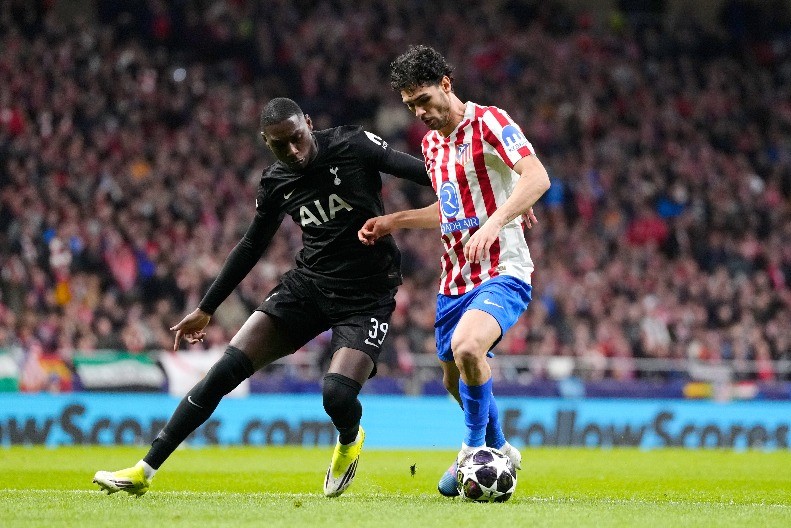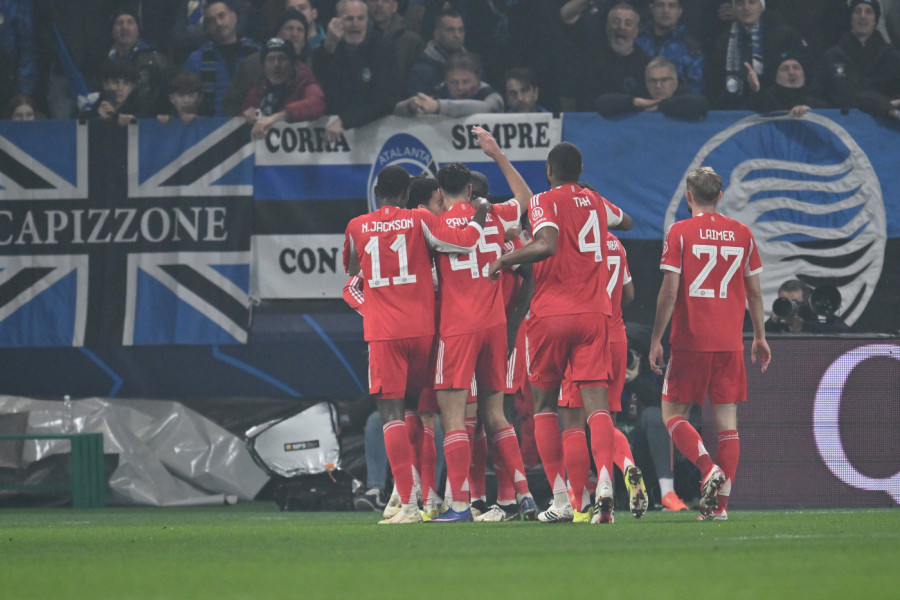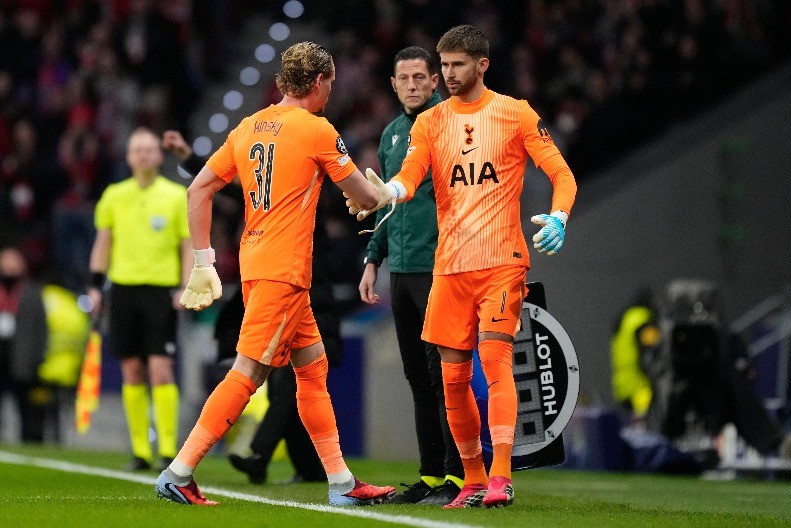


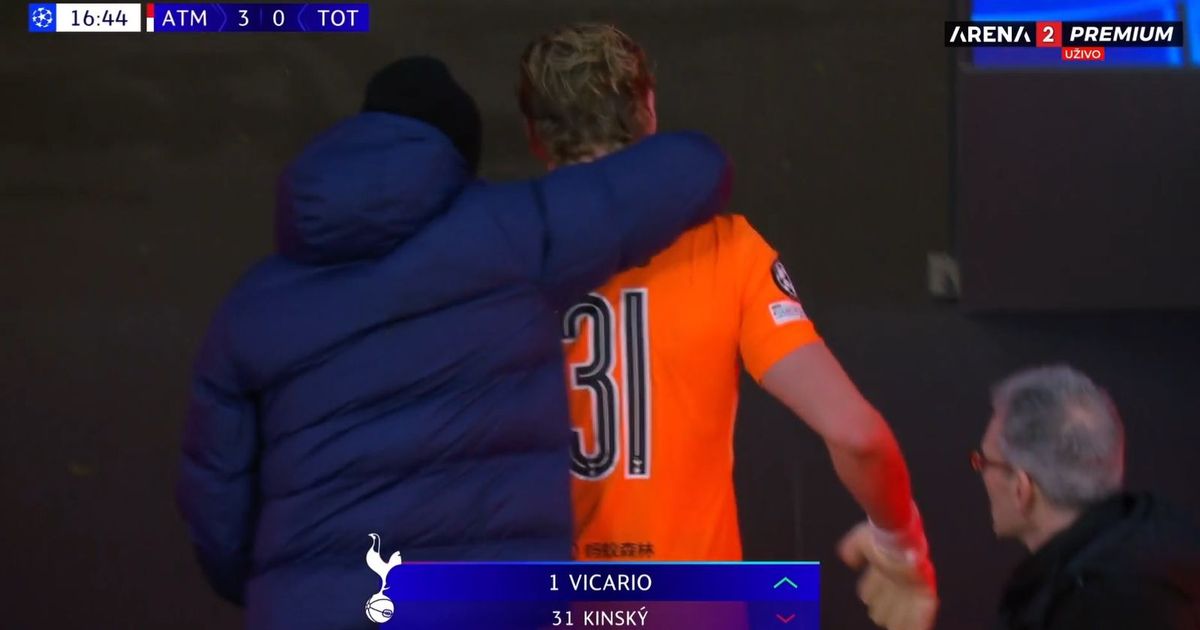
Atletico Madrid and Bayern Munich are jointly reported as having produced emphatic Champions League victories, with all outlets agreeing on the essential scorelines and milestones. Atletico Madrid beat Tottenham 5-2, surging to a 4-0 lead by the 22nd minute after a flurry of goals heavily influenced by catastrophic errors from Tottenham’s goalkeeper Antonin Kinski, who was substituted around the 15–16th minute, visibly in tears. Bayern Munich demolished Atalanta 6-1, establishing a commanding advantage in the first half and extending it after the break, a result that secured Bayern’s progression to the next phase of the competition and allowed them to rest Harry Kane. Coverage also consistently notes that this round of fixtures produced unusually high-scoring games, with another match, Newcastle versus Barcelona, ending 1-1 after a late Barcelona equalizer from the penalty spot.
Beyond the raw scorelines, both sides of the media spectrum emphasize that these matches underline Atletico Madrid’s attacking ruthlessness under current management and Bayern Munich’s enduring status as a European powerhouse capable of deciding ties early and rotating star players. The reports situate Bayern’s 6-1 victory within the broader Champions League structure, stressing that the win confirms their place in the quarterfinals and sets up a clash with either Real Madrid or Manchester City, both recognized as giants of the competition. Coverage likewise frames Atletico’s win as emblematic of their capacity to punish defensive instability at the highest level, with Tottenham’s early collapse treated as a cautionary tale about the psychological and tactical demands of Champions League football. The broader context presented across outlets is that these results reinforce existing hierarchies in European club football, where financially and institutionally strong clubs like Bayern and Atletico can turn individual errors and tactical imbalances into decisive, and at times historic, scorelines.
Areas of disagreement
Framing of dominance. Opposition-aligned outlets are likely to cast Atletico’s 5-2 and Bayern’s 6-1 wins as symptoms of an imbalanced football ecosystem, stressing systemic financial and institutional advantages rather than purely sporting excellence, while pro-government outlets frame the same results as thrilling demonstrations of top-level organization and coaching quality. Where pro-government coverage highlights the historic and spectacular nature of the scorelines and the attacking fireworks on display, opposition narratives are more inclined to question whether such blowouts are healthy for competitive balance. As a result, one side celebrates dominance as proof of elite standards, whereas the other treats it as evidence of widening gaps between clubs.
Responsibility and blame. Opposition outlets tend to diffuse blame for Tottenham’s early collapse, emphasizing structural weaknesses in squad building, coaching decisions, and broader strategic mismanagement, while pro-government sources zoom in on goalkeeper Antonin Kinski’s individual mistakes and the emotional drama of his 15–17 minutes on the pitch. Pro-government reports linger on the unprecedented nature of a Champions League keeper being substituted so early and his tears, portraying the episode as almost freakish misfortune. Opposition coverage, by contrast, would more likely downplay the sensationalism around one player and emphasize that conceding four goals so quickly reflects systemic defensive failures and preparation gaps rather than a single scapegoat.
Narrative tone and sensationalism. Pro-government media lean heavily into a sensational, almost tabloid tone, using language like “epic disgrace,” “chaos,” “without mercy,” and spotlighting viral moments such as an Atletico fan calmly making sandwiches in the stands while the rout unfolded. Opposition outlets are more inclined to adopt a sober or critical tone, treating such episodes as side-notes and focusing on tactical patterns, statistical analysis, and the strategic implications of such lopsided results. This leads to pro-government coverage packaging the matchday as a wild spectacle full of memes and emotional storylines, while opposition coverage positions it as evidence for deeper critiques of club management and competition design.
Implications for the wider competition. Opposition sources tend to interpret Bayern’s and Atletico’s blowout victories as warning signs about a predictable tournament where a handful of superclubs dominate and later stages are effectively pre-scripted, whereas pro-government outlets celebrate Bayern’s early qualification and prospective clash with Real Madrid or Manchester City as the logical, desirable convergence of elite brands. Pro-government narratives frame Bayern’s ability to rest star players like Harry Kane as smart squad management and a reward for excellence, but opposition voices may portray the same fact as proof that resource-rich clubs can cruise through early knockout rounds with minimal jeopardy. Thus, one side sees the results as reinforcing an exciting super-elite showdown, while the other sees them as undermining broader competitive drama.
In summary, opposition coverage tends to interpret Atletico’s and Bayern’s big wins as manifestations of structural imbalances and managerial shortcomings, while pro-government coverage tends to celebrate the same matches as spectacular, emotionally charged showcases of elite clubs’ power and entertainment value.