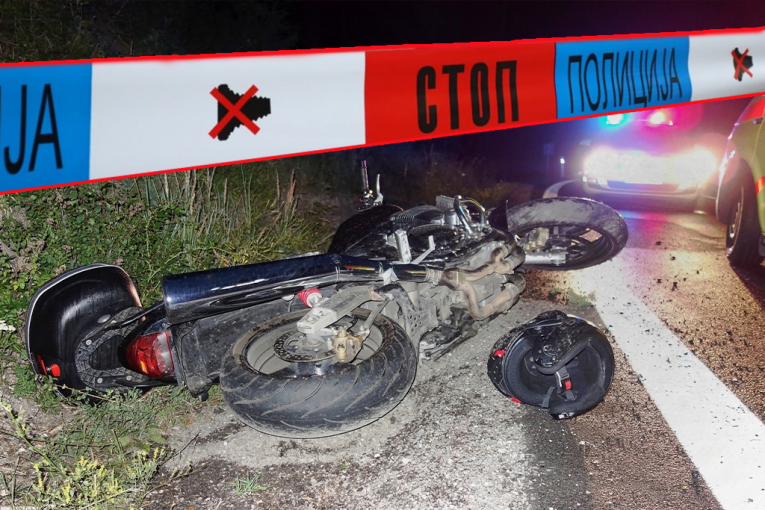


A 31-year-old motorcyclist died in a traffic accident in Vranje after losing control of his motorcycle and crashing into a wooden pole on Pržarska Street. Both opposition- and pro-government-aligned coverage agree that the incident involved a single vehicle, that emergency services arrived at the scene, and that despite their intervention the rider succumbed to his injuries. Reports converge on the basic framing of the event as a tragic traffic accident with no indication of other vehicles being directly involved and no dispute over the victim’s age, location, or the immediate sequence of events.
Across the spectrum, outlets place the crash within the broader context of road safety and emergency response in Serbia, acknowledging the role of the police and medical services and the legal obligations of drivers after an accident. There is shared recognition that traffic rules, safe driving practices, and rapid intervention by emergency teams are key to preventing fatalities and mitigating consequences when accidents occur. Both sides reference institutional roles such as the police department in Vranje and emergency medical services as central actors in documenting the accident, securing the scene, and handling the aftermath.
Areas of disagreement
Responsibility and blame. Opposition-aligned sources tend to probe whether poor road infrastructure, inadequate lighting, or insufficient local traffic management contributed to the rider losing control, sometimes implying systemic negligence by authorities. Pro-government outlets, by contrast, focus almost exclusively on individual responsibility and driver error, presenting the loss of control and collision with the pole as an unfortunate but essentially personal tragedy. Where opposition reports may hint at shared or institutional blame, pro-government coverage avoids attributing any fault to state or municipal bodies.
Systemic context. Opposition coverage often situates the crash within a pattern of frequent and sometimes deadly traffic accidents in Serbia, suggesting that it reflects deeper issues in enforcement of traffic laws, investment in safer roads, and public education campaigns. Pro-government media typically treat the Vranje incident as an isolated event and then generalize only in neutral terms about the need for caution, without linking it to alleged policy failures or governance problems. This leads opposition outlets to stress systemic reform narratives, while pro-government pieces emphasize generic safety awareness.
Use of official sources. Pro-government outlets rely heavily on statements or information attributed to the police department and emergency services, presenting their version of events as authoritative and largely sufficient to explain what happened. Opposition-aligned media are more likely to contrast official accounts with on-the-ground impressions, local residents’ comments, or prior incidents in the same area, suggesting that official statements may be incomplete. As a result, pro-government narratives revolve around formal institutional communication, whereas opposition narratives question whether those institutions are doing enough beyond issuing reports.
Policy framing. Opposition sources tend to frame the accident as evidence that current traffic safety policies and infrastructure investments are inadequate, explicitly or implicitly calling for reforms, audits, or accountability from local and national authorities. Pro-government coverage, however, usually avoids policy critique and instead uses the incident to highlight proper conduct in emergencies, publishing instructions on how drivers should behave after an accident and underscoring the role of citizens in prevention. Thus, opposition media see the event as a policy failure demanding change, while pro-government media cast it as a reminder for individuals to comply with existing rules.
In summary, opposition coverage tends to embed the Vranje motorcycle crash in a broader critique of road safety policy and institutional performance, while pro-government coverage tends to present it as an individual tragedy best addressed through personal responsibility and adherence to official safety guidance.