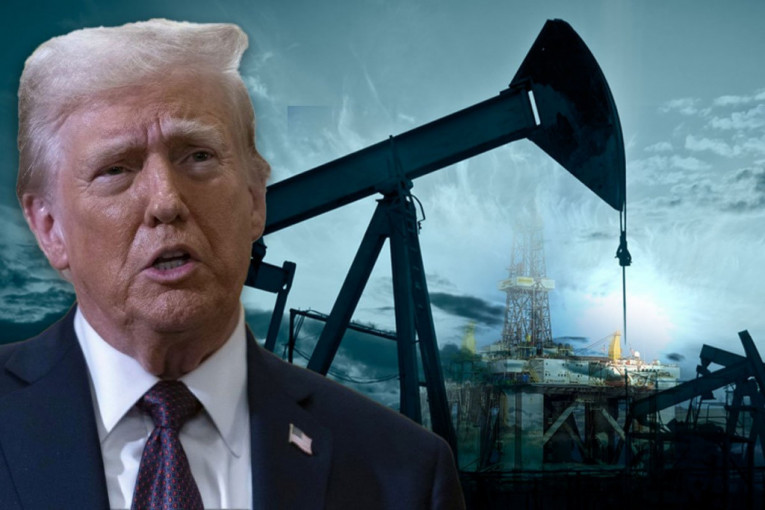
Benchmark reports from both opposition and pro-government outlets agree that oil prices spiked sharply amid an escalating US–Iran conflict, then fell back after President Donald Trump said the war or conflict with Iran would be over or would end very soon. Both sides describe prices surging toward or above 100 dollars per barrel—some citing nearly 120 and others a four-year high—before retreating toward or below 90 dollars per barrel, still well above pre-crisis levels. They concur that the turmoil is tied to disruptions in the Persian Gulf and the Strait of Hormuz, a critical shipping lane through which a substantial share (around a fifth) of global crude supply normally passes, and that tanker traffic and production in the region were at least temporarily curtailed. Both note that Trump’s statement coincided with a strong rebound in US stock markets and that G7 finance ministers or leaders discussed or signaled potential releases from strategic oil reserves, which also contributed to calming prices.
Coverage from both opposition and pro-government media acknowledges that the conflict is in its second week or has recently escalated, that Iran has issued counterthreats including to block oil exports if attacked or if navigation in the Strait of Hormuz is hindered, and that Middle Eastern producers reduced output in response to transport bottlenecks. They agree that European and regional governments, such as G7 members and Balkan states, have been adjusting domestic fuel policies—through bans on exports, regulated price changes, and confirmation of reserve levels—to shield their markets from volatility. Both sides situate the price movements within the broader institutional framework of global energy security: reliance on chokepoints like Hormuz, the stabilizing role of strategic petroleum reserves, and the sensitivity of oil futures and equities to war-and-peace signals from Washington. The shared narrative is that geopolitical risk, threats to shipping, and policy signaling by major powers and institutions together drove the rapid up-and-down swings in oil prices.
Areas of disagreement
Scale and meaning of the price move. Opposition outlets describe prices as merely falling back toward around 90 dollars, stressing that they remain elevated and volatile compared with pre-war levels, which underscores ongoing risk and instability. Pro-government sources emphasize a dramatic plunge of more than 25 percent and prices dropping below 90 dollars, framing the move as a major normalization and market relief. Where opposition coverage highlights that the correction is partial and fragile, pro-government reporting underscores the magnitude of the drop as evidence that panic has subsided and the worst has passed.
Portrayal of Trump’s role. Opposition sources depict Trump’s statements as both threatening and erratic—citing language like "fire and fury"—and present the subsequent price drop as heavily conditioned by G7 reserve signals and persistent Iranian counterthreats, suggesting his reassurances only partially stabilized markets. Pro-government outlets focus on his declaration that the war is over or largely over, crediting that message for triggering a sharp pullback in oil prices and a rebound in US stocks, thereby casting him as a decisive stabilizer. While opposition coverage tends to present Trump as one of several actors amplifying risk, pro-government coverage frames him as the key figure who calmed markets and signaled de-escalation.
Assessment of ongoing risk and conflict status. Opposition media stress that the conflict is still in its second week, with Iran vowing to block exports if attacks continue and navigation disputes in the Strait of Hormuz unresolved, implying that supply risks remain acute. Pro-government outlets lean on the formulation that the conflict is "largely over" and highlight resumed or normalizing tanker traffic, suggesting the main threat to global supply has passed. Thus, opposition coverage emphasizes lingering insecurity and the potential for renewed spikes, whereas pro-government narratives suggest a turning point toward stability.
Framing of international and regional responses. Opposition sources spotlight G7 readiness to release reserves alongside unilateral steps by smaller states such as Serbia’s export ban and fuel policy adjustments in Croatia and Montenegro, portraying a patchwork of defensive measures against an unstable market. Pro-government coverage mentions G7 strategic reserves too but weaves them into a broader story of coordinated international action working effectively with Trump’s messaging to restore order. In opposition reporting these moves appear as emergency shields against a crisis that is far from resolved, while in pro-government accounts they are part of a successful, largely completed stabilization effort.
In summary, opposition coverage tends to cast the price drop as a fragile correction amid a continuing, high-risk confrontation fueled in part by Trump’s own threats, while pro-government coverage tends to depict it as a decisive market normalization driven by Trump’s calming declaration and effective international coordination.
Story coverage