
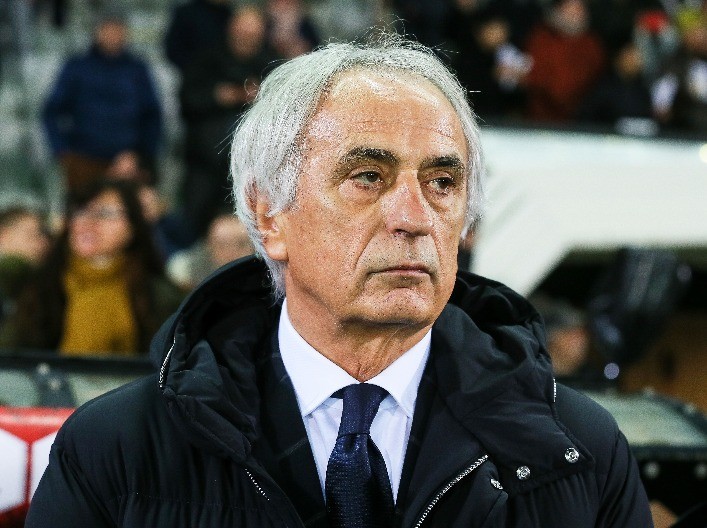
Vahid Halilhodžić has been appointed as the new head coach of FC Nantes, with both sides of the media agreeing that he has signed a contract running until the end of the current season. Coverage concurs that he replaces Ahmed Kantari, who was dismissed after a run of poor results, with Nantes languishing near the relegation zone in Ligue 1, commonly cited as 17th place with 17 points from 25 matches. Reports agree that this is a return for Halilhodžić, who already coached Nantes between October 2018 and August 2019, and that his arrival is framed as an urgent move to stabilize the club’s situation and revive its form before the season ends.
There is shared acknowledgment that Halilhodžić brings substantial experience, having recently coached the Moroccan national team in addition to prior spells at Nantes and other European clubs. Both sides highlight Nantes’ institutional instability in recent years, characterized by frequent coaching changes and underperformance relative to historical expectations, as a key context for his reappointment. They also agree that the club’s immediate objective is to avoid relegation rather than pursue ambitious long-term reforms, and that Halilhodžić’s mandate is essentially a rescue mission within a constrained timeframe, operating under the existing club hierarchy and sporting structure.
Areas of disagreement
Framing of the appointment. Opposition-aligned outlets tend to characterize Halilhodžić’s return as a stopgap or desperation move by a management that has failed to build a coherent long-term project, emphasizing how short the contract is and how often Nantes has changed coaches. Pro-government outlets instead present the appointment as a decisive and pragmatic intervention, underscoring Halilhodžić’s proven track record and familiarity with the club as rational reasons for confidence rather than as signs of recycling old solutions.
Assessment of club management. Opposition coverage generally uses the coaching change to criticize the club’s leadership, portraying the dismissal of Kantari as symptomatic of deeper structural mismanagement and chronic short-termism. Pro-government coverage usually treats the sacking as a justified response to poor results, focusing less on systemic failings and more on the necessity of swift action to correct the team’s league position.
Expectations and risk. Opposition-leaning reports highlight the risks of relying on a veteran coach on a brief contract, warning that even if survival is achieved, the club could soon face another reset and similar crises. Pro-government reports stress Halilhodžić’s motivational skills and experience in high-pressure contexts, framing the risk as acceptable and portraying the move as the best available option to secure immediate stability and possibly lay the groundwork for renewed ambition.
In summary, opposition coverage tends to treat Halilhodžić’s appointment as a symptom of deeper leadership and planning failures at Nantes, while pro-government coverage tends to portray it as a necessary, competent, and potentially stabilizing decision focused on rescuing the club from its current perilous position.