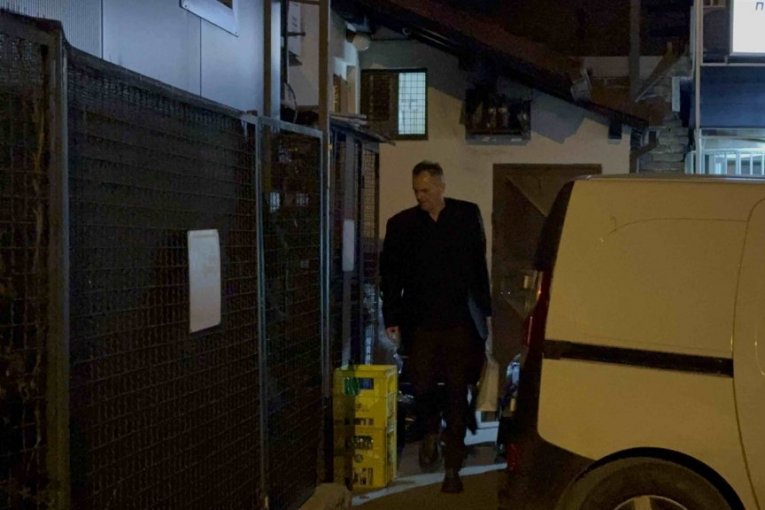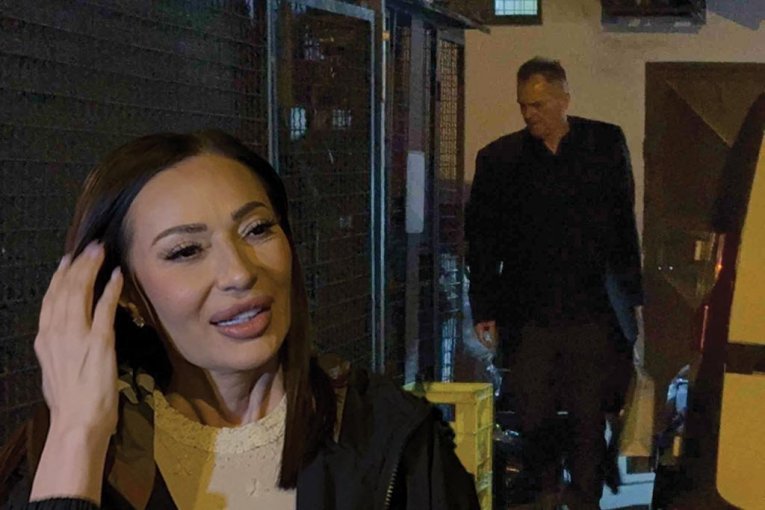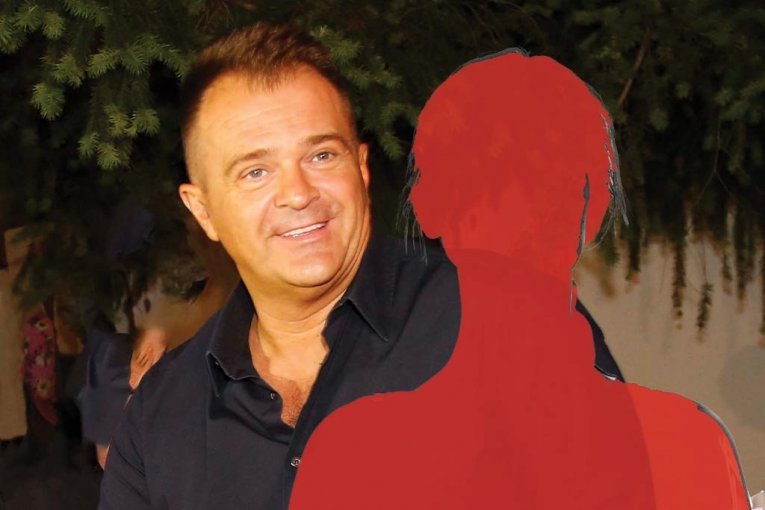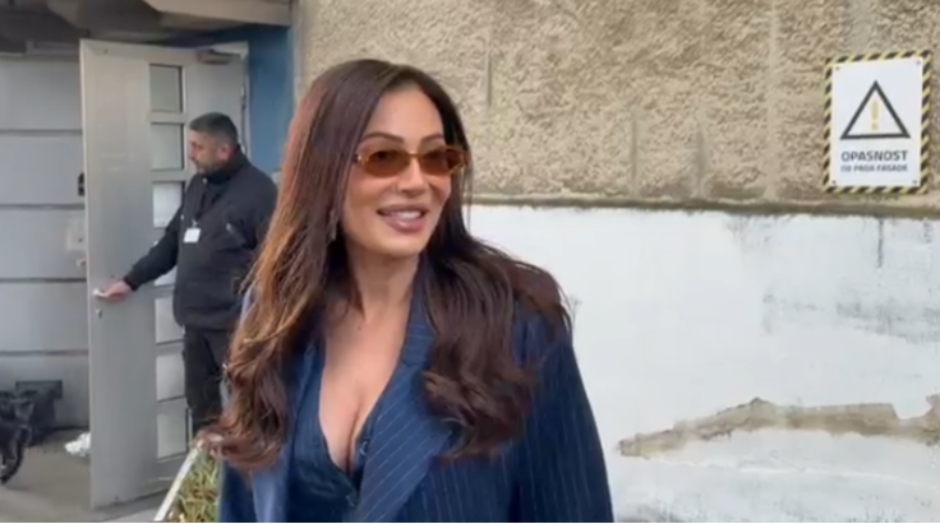

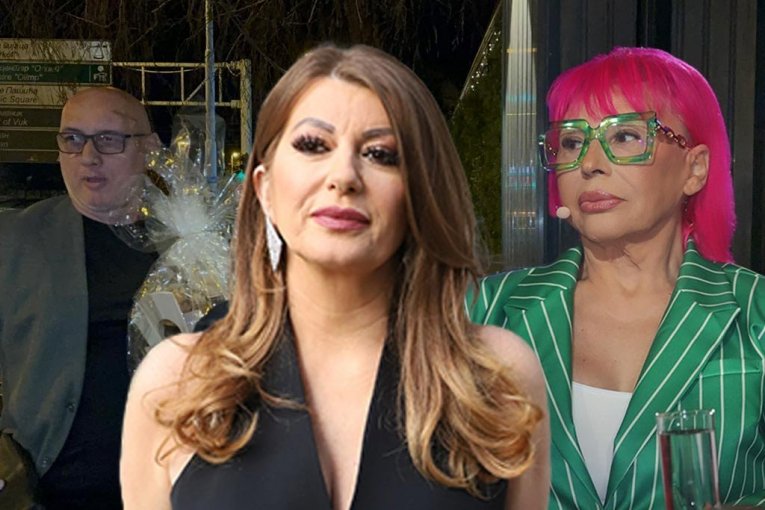
Lyricist Dragan Brajović Braja and his wife Gordana marked roughly three decades of marriage with a private wedding-anniversary celebration at a Belgrade venue, described as a "secret" or discreet party attended by many Serbian entertainment figures. Coverage agrees that notable guests included Svetlana Ceca Ražnatović, Viki Miljković with her husband Taške, Željko Samardžić, Jovana and Željko Joksimović, and that Dragana Mirković’s ex-husband Zoran Bašanović also appeared with his wife, with cameras focusing on celebrity arrivals, outfits, and brief remarks. Pro-government outlets additionally highlight that Ceca confirmed a new musical collaboration with Braja, and that Viki used the occasion to speak about her own long-lasting marriage and about singer Zorica Brunclik’s recent medical examinations and ongoing treatment by top specialists.
Across outlets, the event is framed within the broader world of Serbian turbo-folk and pop entertainment, emphasizing Braja’s status as a prominent hit lyricist and his long-running ties to star performers. Reports reference his previously discussed non-traditional approach to family life—prioritizing flexibility and mutual understanding over rigid rules—as a contrast to the formality of staged celebrity celebrations, while still presenting this anniversary as a significant milestone for the couple. At the same time, coverage uses the gathering to briefly touch on adjacent industry narratives, such as veteran singers’ health, enduring celebrity marriages, and the continued intertwining of private family milestones with media-focused showbusiness culture.
Areas of disagreement
Newsworthiness and framing. Opposition-aligned outlets tend to treat such celebrity gatherings around Braja’s anniversary as minor gossip or as symptomatic of a showbiz–political elite bubble, questioning why they dominate news cycles. Pro-government media instead frame the event as a feel-good cultural story that showcases beloved stars in a relaxed setting and presents it as legitimate entertainment news. While opposition sources emphasize the triviality of extensive coverage amid broader social issues, pro-government outlets highlight nostalgia, fandom, and human-interest angles.
Political proximity and symbolism. Opposition coverage is more likely to underscore which attendees are known to be close to the ruling party or have appeared at government-sponsored events, reading the guest list as a soft-power display of the regime’s cultural orbit. Pro-government outlets either ignore potential political ties or present the guests purely as entertainers, stressing that the evening was private and apolitical. Thus, opposition narratives see latent political symbolism in the celebration, whereas pro-government narratives insist it is simply a personal jubilee.
Use of personal details. Opposition-oriented sources, when covering similar celebrity events, often criticize the use of intimate health information or family anecdotes (such as references to Zorica Brunclik’s medical procedures or Braja’s non-traditional family life) as voyeuristic and a distraction from substantive reporting. Pro-government coverage uses these details to humanize the stars, portraying them as relatable and resilient, and to generate emotional engagement. The former frames such disclosure as media excess, while the latter treats it as a standard feature of lifestyle and showbusiness journalism.
Role within broader media agenda. Opposition media tend to situate this type of story within a critique of the overall media landscape, arguing that saturated reporting on Braja’s anniversary supports a bread-and-circuses strategy that diverts attention from governance problems. Pro-government outlets, by contrast, present the celebration as part of a normal mix of content where culture, entertainment, and politics can coexist without necessarily crowding each other out. Consequently, opposition coverage reads the prominence of this event as evidence of agenda-setting in favor of the ruling bloc, whereas pro-government coverage treats it as benign escapism.
In summary, opposition coverage tends to downplay the intrinsic importance of Braja’s anniversary celebration and highlight its potential political and media-manipulative subtext, while pro-government coverage tends to accentuate the glamour, personal stories, and apolitical entertainment value of the gathering.
Story coverage