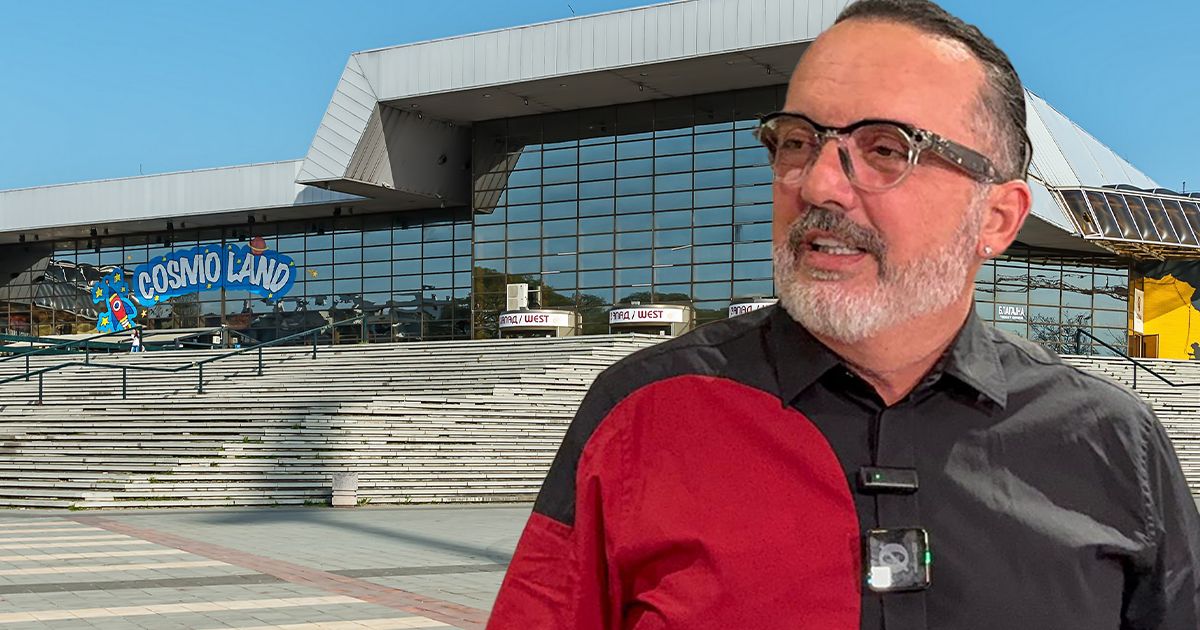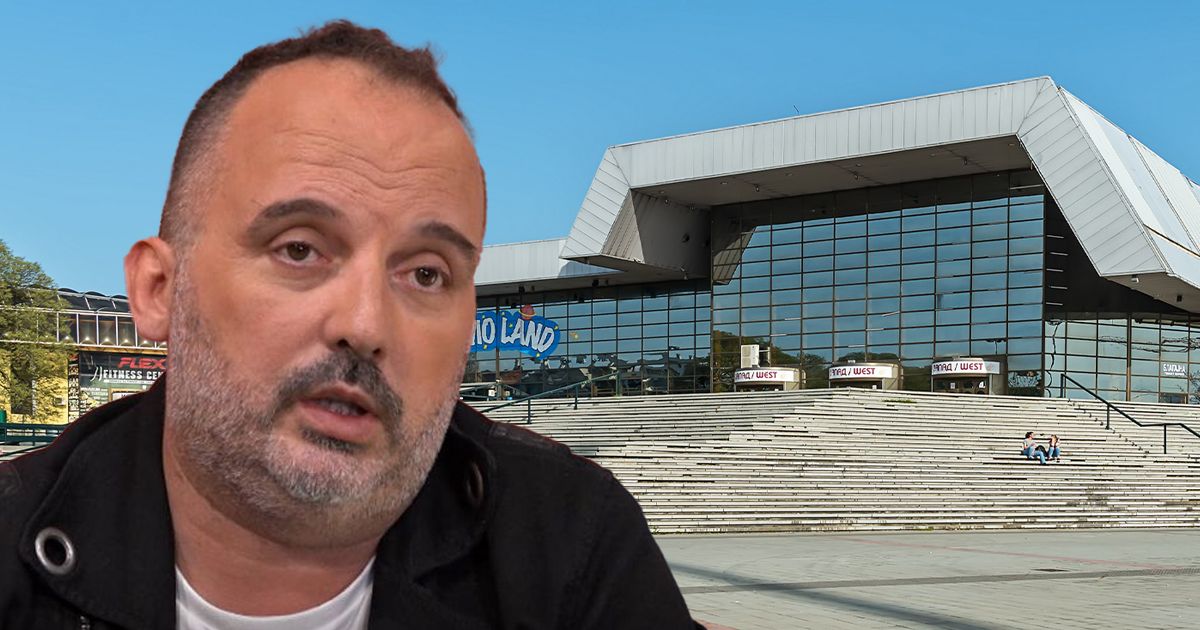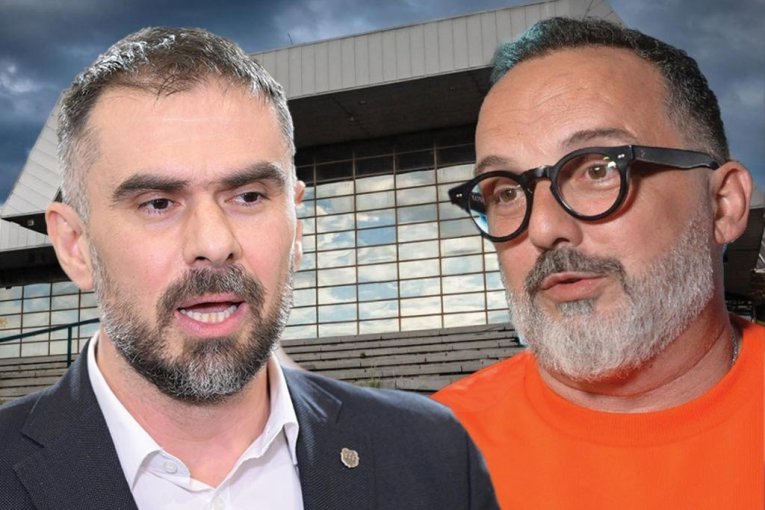



Croatian singer Toni Cetinski canceled his March 8 concert in Novi Sad’s Spens hall only hours before showtime, explaining that the venue awakens painful memories related to the 1990s wars and alleged mistreatment of Croats there. Both opposition and pro-government outlets agree that the last-minute decision sparked anger among Serbian fans who had bought tickets and waited months, that he has previously performed at Spens multiple times without mentioning such trauma, and that the official capacity expectation was around 6,000 tickets, while about 3,500 had reportedly been sold. They also concur that his statement referenced narratives circulating on social media about Spens being used as a camp or site of abuse in 1991, that Croatian veterans’ associations had appealed to performers over these claims, and that there are discussions in Croatia about raising money to cover any penalties stemming from the cancellation.
Coverage on both sides situates the incident within the broader legacy of the Yugoslav wars, nationalist sensitivities, and strained Croatian-Serbian cultural relations, emphasizing that performances by Croatian artists in Serbia are often perceived as gestures of normalization. Outlets agree that Spens is a prominent Novi Sad sports and events center and that its wartime role is now contested in public debate, with Serbian officials presenting archival photos and records to assert it functioned as a reception center for refugees from Croatia. Both camps also note that the cancellation has prompted questions about artistic responsibility, the impact of online war-related narratives on contemporary cultural exchanges, and whether artists should help de-escalate or are instead reigniting old grievances.
Areas of disagreement
Motives and sincerity. Opposition-aligned sources highlight fans’ accusations that Cetinski’s reference to painful memories is a pretext, suggesting he invoked war trauma to mask poor ticket sales and avoid embarrassment, given the gap between expected and sold tickets. Pro-government media go further, characterizing his explanation as a shameful excuse and echoing high-profile figures who claim they can “smell” bad faith, casting his statement as calculated disrespect toward Serbia. While opposition outlets frame the motive debate primarily as consumer deception and unprofessionalism toward fans, pro-government outlets embed it in a wider narrative of national insult and ingratitude.
Framing of national and ethnic issues. Opposition coverage emphasizes the anger of Serbian fans who feel used, pointing to comments that he “earned so much money in Serbia” only to now distance himself, but it largely treats nationalism as a tool he may be exploiting rather than its own central grievance. Pro-government outlets, by contrast, stress that such behavior is intolerable toward the Serbian people, portraying the move as an affront to Serbia’s dignity and linking it to broader anti-Serb narratives in parts of Croatia. At the same time, some pro-government voices explicitly distinguish between ordinary Croats and individuals like Cetinski, while opposition pieces concentrate more on the transactional relationship between artist and Serbian audience than on interethnic relations as such.
Interpretation of Spens and wartime history. Opposition-aligned media mostly relay that Cetinski cited painful memories connected to Spens and repeat fans’ skepticism that this can be genuine given his earlier concerts there, but they do not dwell heavily on reconstructing the venue’s 1990s role. Pro-government outlets, however, seek to decisively rebut claims of a “camp,” featuring the Novi Sad mayor’s presentation of photos and documents that depict Spens as a refugee reception center for Serbs fleeing Croatia and accusing Cetinski of spreading lies. In this telling, his statement is not only artistically irresponsible but also an attack on historical truth and the city’s honor, whereas opposition coverage keeps the historical dispute more in the background, treating it as context rather than the main battlefield.
Responsibility and consequences. Opposition media focus on fans’ frustration over last-minute timing, lost time and money, and the sense that Cetinski showed disregard for his Serbian supporters, implying he should be held accountable professionally or financially. Pro-government outlets broaden the notion of responsibility to include moral and political consequences, with officials calling for an apology to citizens of Novi Sad, Serbia, and even Croatia for alleged hate speech, and underscoring that legal or contractual penalties will be handled with the organizer. Thus, while opposition coverage centers on consumer rights and trust between performer and audience, pro-government reporting stresses civic outrage, institutional defense of Serbia’s image, and the need to publicly discipline what they present as defamatory narratives.
In summary, opposition coverage tends to portray Cetinski’s cancellation primarily as a betrayal of fans and a likely cover for weak ticket sales, with nationalism as an instrumental backdrop, while pro-government coverage tends to frame it as a broader insult to Serbia tied to false wartime narratives about Spens, demanding public contrition and affirming the state’s role in defending national dignity.
Story coverage