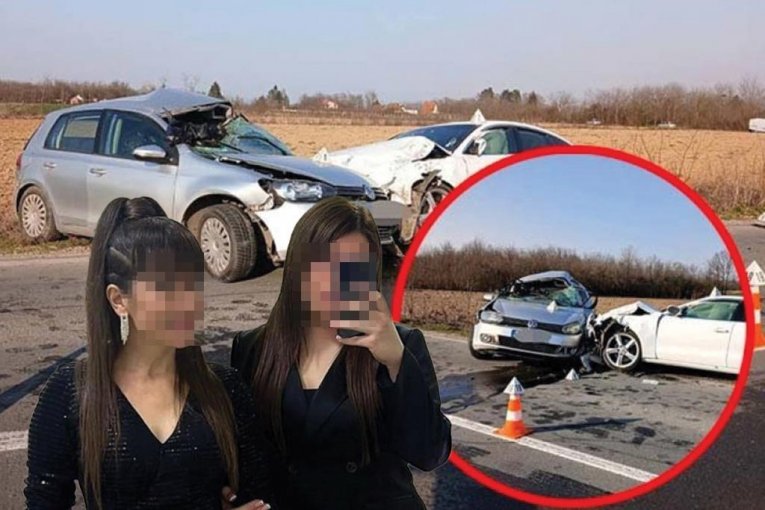



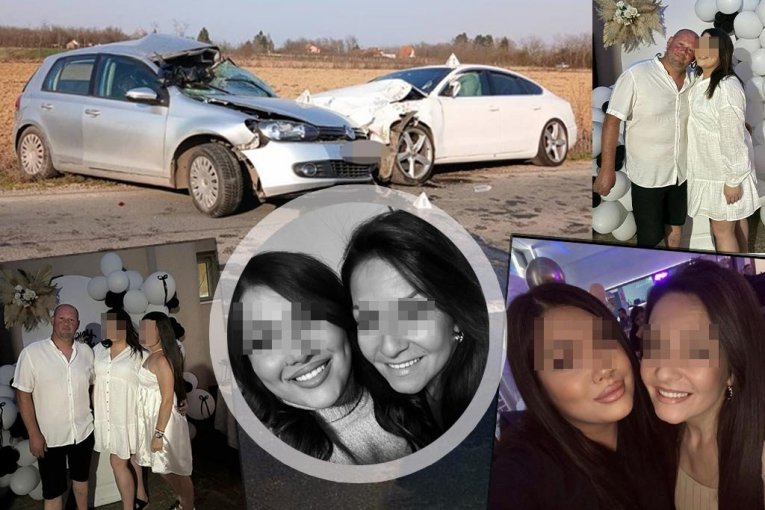
A mother and daughter, Marina M. (49) and Valentina M. (25), were killed in a head-on collision on the Šabac road in the afternoon hours, around 14:30, when their car crossed into the opposite lane and collided with another vehicle. Both sides agree that two people from the oncoming car were injured but are in non-life-threatening condition, that emergency services transported them to the hospital in Šabac, and that police and the competent prosecutor immediately launched an investigation at the scene. Coverage consistently identifies Valentina as the driver and Marina as the passenger, notes that the overtaking or evasive maneuver preceded the crash, and stresses that the victims died at the scene. All outlets also highlight the personal tragedy of the family, particularly the devastated father Rade, who now prepares funerals instead of the wedding Valentina had been planning.
Shared context across outlets frames the incident as part of a broader pattern of serious traffic accidents on Serbian roads, underlining the dangers of overtaking and crossing into the opposite lane. Both opposition and pro-government media refer to ongoing investigative procedures, the role of traffic police, and the expected involvement of the prosecution in determining liability, while emphasizing the need for adherence to traffic regulations. There is common acknowledgment that specific institutional or legal reforms, if any, will depend on the investigation’s findings rather than being immediately clear from the initial reports. The focus in all coverage remains on the human loss, the impact on the surviving family, and the reminder of systemic road-safety risks.
Areas of disagreement
Cause and responsibility framing. Opposition-aligned outlets tend to frame the cause within a systemic narrative of chronic road-safety failures, criticizing inadequate enforcement and poor infrastructure as underlying reasons accidents like this keep happening. Pro-government media, by contrast, largely emphasize driver behavior in this specific case, focusing on the overtaking maneuver or evasive action that led to crossing into the opposite lane and presenting the crash as an individual tragedy rather than a symptom of broader state failures. While opposition sources stress state accountability and demand structural change, pro-government reports mostly limit responsibility to the actions of those directly involved and the outcome of the official investigation.
Institutional performance and reforms. Opposition coverage typically uses such accidents to question the effectiveness of traffic police, transport ministries, and regulators, arguing that repeated fatal crashes show insufficient reform and oversight. Pro-government outlets, however, highlight that police and the prosecutor reacted promptly, that a formal investigation is underway, and that existing institutions are functioning as intended. Where opposition sources might connect the tragedy to stalled legislation, lack of road modernization, or corruption in enforcement, pro-government sources rarely expand beyond procedural notes and avoid portraying the crash as evidence of systemic institutional failure.
Emotional tone and political linkage. Opposition media often combine human-interest elements with broader social and political criticism, using the grief of the victims’ family as an entry point to discuss governance, public safety priorities, and accountability of those in power. Pro-government outlets foreground the emotional story almost exclusively, focusing on the father’s loss, the canceled wedding, and community mourning, while keeping overt political commentary to a minimum. Thus, opposition reports tend to politicize the tragedy as part of a pattern under current authorities, whereas pro-government reports aim to de-politicize it and frame it as a heartbreaking but apolitical accident.
Policy implications and calls to action. Opposition-aligned coverage is more likely to conclude with or imply demands for stricter traffic laws, better road infrastructure, and independent oversight, often suggesting that without deeper changes similar accidents will recur. Pro-government coverage, in contrast, generally avoids strong policy prescriptions, limiting itself to warnings about careful driving and waiting for the outcome of the investigation before any discussion of reforms. In this way, opposition media treat the crash as a catalyst for public debate on state obligations, while pro-government media treat it as a cautionary tale focused on individual responsibility.
In summary, opposition coverage tends to interpret the collision as both a family tragedy and a symptom of systemic state and institutional shortcomings that demand reform, while pro-government coverage tends to portray it primarily as an isolated, deeply personal misfortune rooted in specific driving decisions, with institutions presented as responsive and essentially adequate.