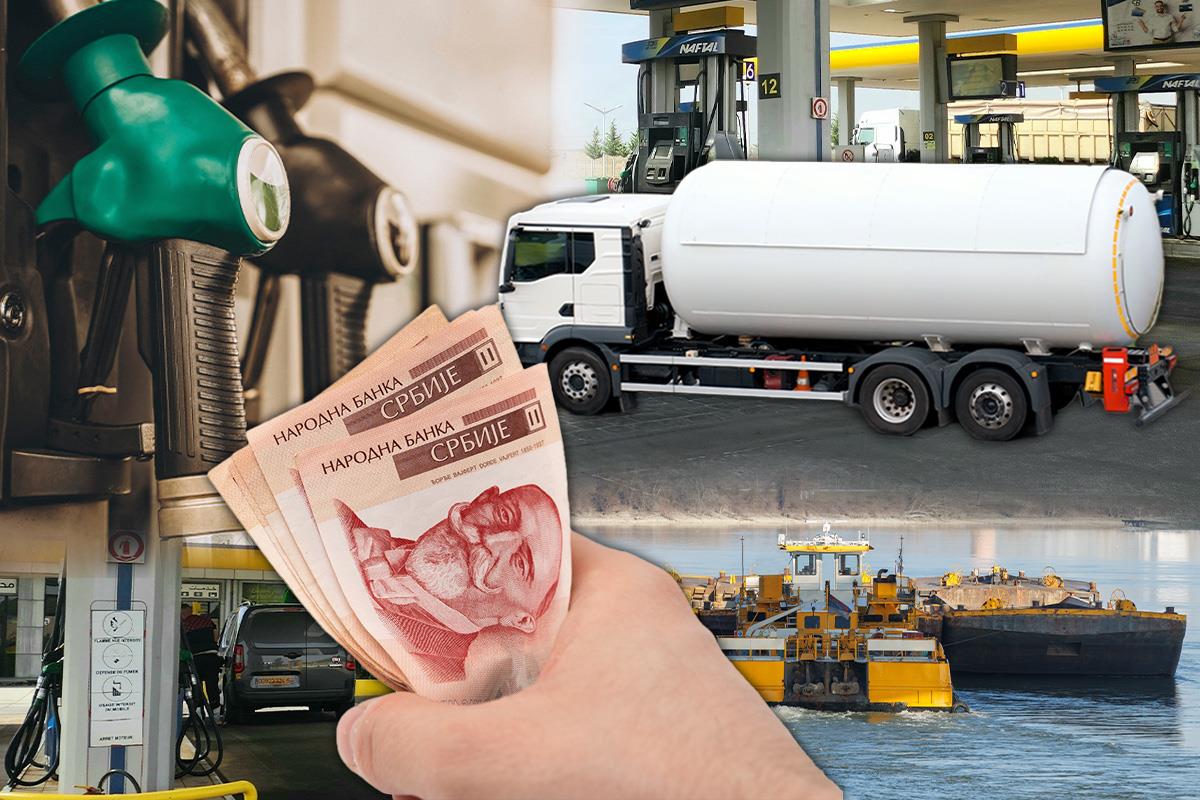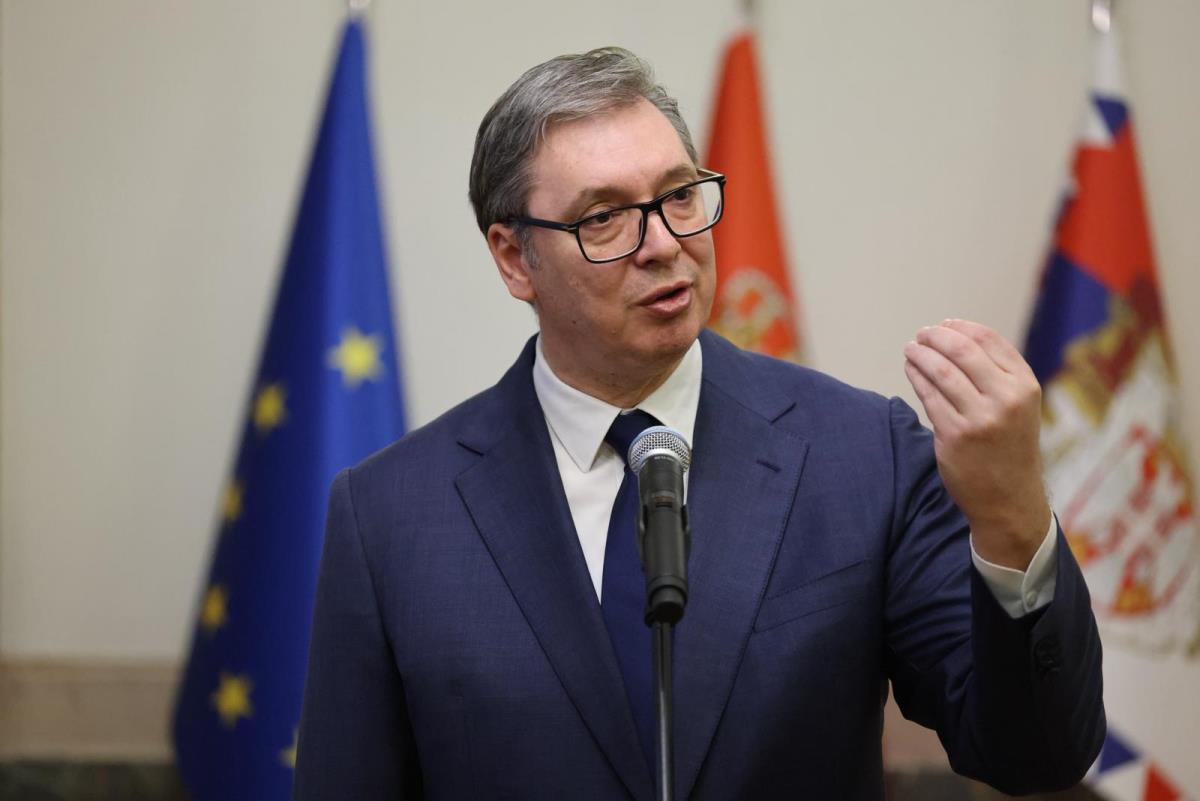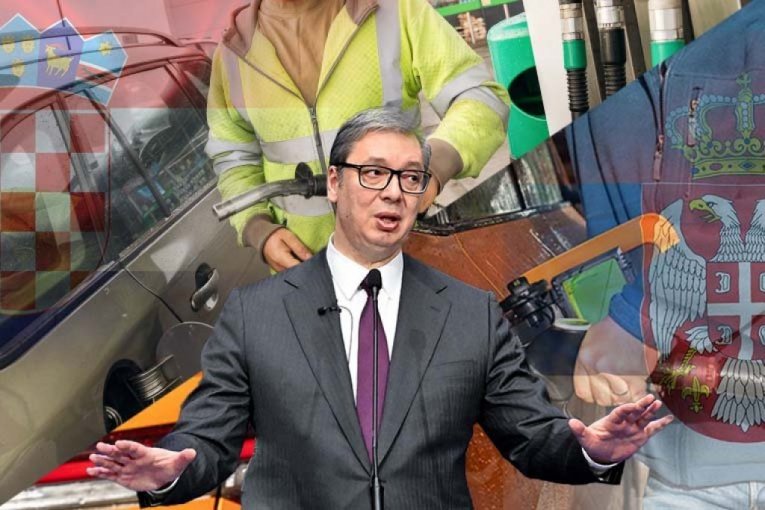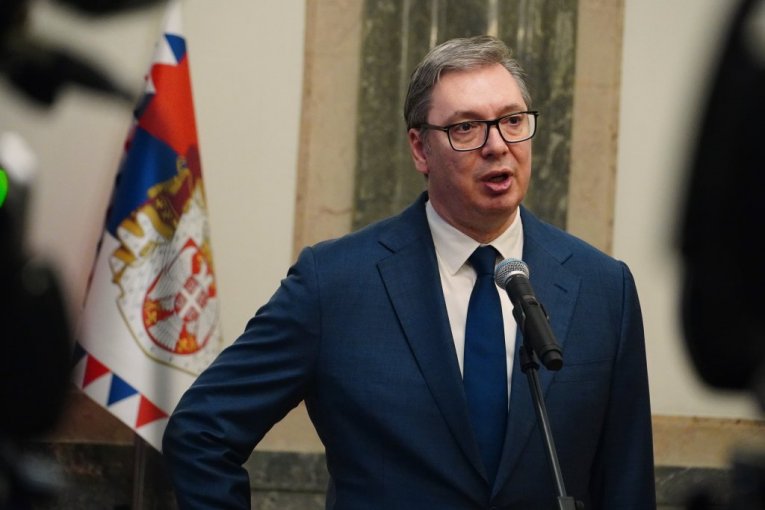


The Serbian government has announced a limited increase in retail fuel prices, capping any rise at a maximum of three dinars per liter in a single adjustment. Both opposition and pro-government outlets report that the new prices put gasoline around 184 dinars per liter and eurodiesel around 203 dinars, reflecting an increase of roughly three dinars compared with the previous week. Coverage agrees that the decision was presented publicly by President Aleksandar Vučić, framed as a government measure, and that a formal legal framework for this pricing regime is to be prepared over the coming week. There is also cross-camp acknowledgment that fuel prices have risen sharply across the region and in Europe, and that Serbia is opting for an administratively controlled, stepwise adjustment instead of allowing abrupt jumps.
Across the spectrum, media note that the decision occurs in the context of broader global energy market disruptions and geopolitical uncertainty, including risks to oil supply routes and volatility in crude prices. Both sides accept that Serbia’s fuel market is strongly influenced by international trends and that the state has already been intervening in pricing through decrees and regulatory mechanisms. There is shared recognition that the government’s stated objective is to protect citizens and preserve purchasing power in what officials describe as abnormal or unstable global conditions, while balancing budgetary and supply constraints. Outlets also concur that regional comparisons, particularly with Croatia and neighboring EU states, are relevant for understanding Serbia’s policy choices and public expectations on fuel affordability.
Areas of disagreement
Nature of the measure. Opposition-aligned sources tend to describe the three-dinar cap as a cosmetic or tactical adjustment that still leaves citizens facing steadily rising living costs, portraying it as a pre-election or image-management move rather than substantive relief. Pro-government outlets, by contrast, present the cap as a responsible, calibrated intervention that prevents “drastic jumps” at the pump and proves the state is shielding households from global price shocks. While opposition media question whether the overall trajectory of prices and taxes is being meaningfully altered, pro-government coverage emphasizes the limitation of daily increases as a concrete, immediate protection.
Responsibility and blame. Opposition reporting typically shifts focus toward the government’s long-term economic and energy policies, arguing that heavy taxation, dependence on imported fuels, and mismanagement have left Serbia overly exposed to global turmoil and are the real drivers of higher prices. Pro-government outlets instead highlight international factors such as instability in global oil markets and contested narratives about Gulf exports and maritime chokepoints, framing these external shocks as the primary cause and the government as merely reacting. In this framing, opposition media cast authorities as culpable for structural vulnerability, while pro-government media portray officials as firefighters dealing with a crisis largely not of their making.
Framing of regional comparisons. Opposition-aligned coverage tends to be skeptical of selective comparisons with countries like Croatia, warning that focusing on neighbors with steeper hikes can obscure broader regional trends or differences in wages, taxes, and social protections. Pro-government outlets make regional price contrasts a central narrative device, stressing that Serbian prices remain “under control” compared with neighbors and that the cap keeps the country in a relatively favorable position. Where opposition voices may invoke EU standards or long-term convergence as the yardstick, pro-government media prioritize immediate cross-border price snapshots to validate current policy.
Political signaling and motives. Opposition media are likely to interpret Vučić’s personal announcement of the price cap, and repeated reassurances such as “people, don’t worry,” as part of a broader personalization of power and ongoing campaign-style communication intended to bolster his image as protector-in-chief. Pro-government outlets, however, frame his visibility as proof of accountability and leadership under pressure, presenting his statements about preparing legislation and monitoring global developments as evidence of hands-on governance. Thus, while critics see a media-driven performance masking systemic issues, loyalist coverage promotes the same messaging as reassurance that the country is being actively and competently managed.
In summary, opposition coverage tends to downplay the significance of the limited price increase cap and stress structural policy failures and political motives, while pro-government coverage tends to highlight the cap as a concrete protective measure, foreground external causes, and frame Serbia’s position as comparatively favorable in a turbulent regional fuel market.
Story coverage