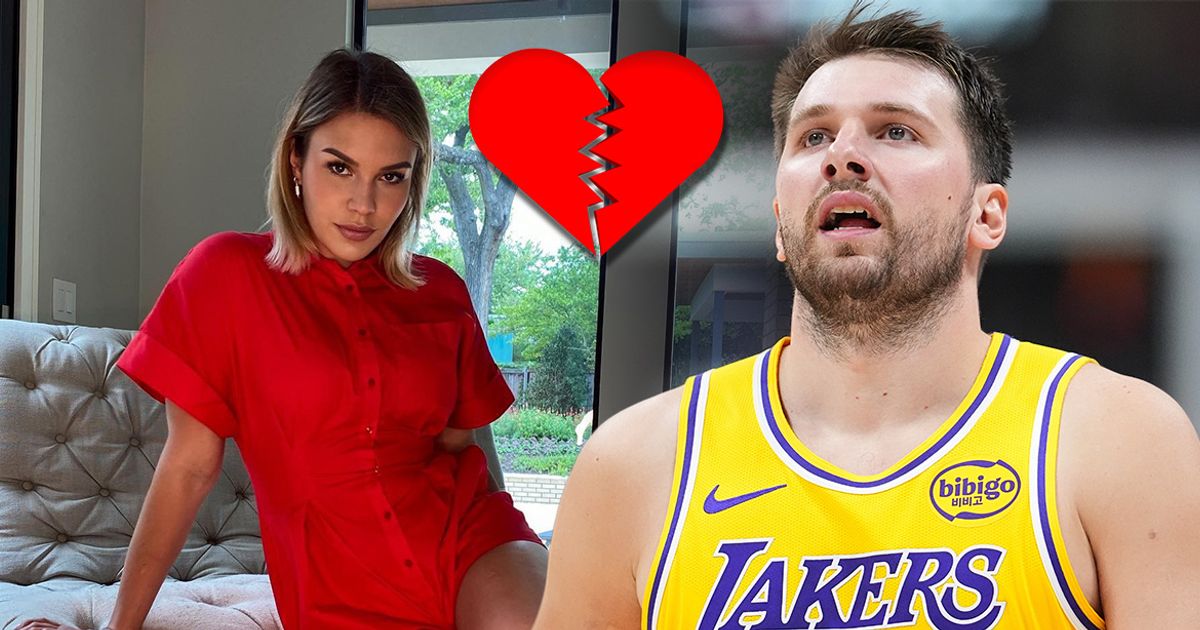

Luka Dončić and Anamarija Goltes are widely reported by both opposition- and pro-government-aligned outlets to have ended their engagement, canceling a wedding that had been planned for July 2026. Coverage agrees that Dončić, a Slovenian NBA star, and Goltes, a Slovenian model, have been together for more than a decade, reportedly since they were about 12 years old, and that they share two young daughters named Gabriela and Olivia.
Both sides’ reporting converges on key timeline points: the engagement took place in July 2023, the relationship breakdown became evident when Dončić recently marked his 27th birthday without Goltes by his side, and Goltes has now left the United States and returned to Slovenia with their children. Across the spectrum, outlets frame this as a major celebrity and sports story with significant public interest in Slovenia, stressing the length and seriousness of the relationship and the now-abandoned plans for a high-profile wedding.
Areas of disagreement
Framing of the breakup. Opposition-aligned sources tend to frame the split as a private, personal matter, emphasizing respect for family boundaries and minimizing speculation about internal conflicts, while still acknowledging the public interest generated by such a high-profile couple. Pro-government outlets, by contrast, lean into the drama by labeling it “the breakup of the decade” and foregrounding alleged “shocking details,” implicitly inviting more sensational interpretations of what happened.
Portrayal of Anamarija Goltes. Opposition coverage often presents Goltes in neutral or sympathetic terms, focusing on her role as a mother returning home with the children and avoiding narratives that could cast blame or suggest opportunism. Pro-government sources are more likely to spotlight her decision to leave America and move back to Slovenia as a dramatic turning point, sometimes implying that this move is central to the breakup narrative and hinting at behind-the-scenes tensions without clearly substantiating them.
Portrayal of Luka Dončić. Opposition-leaning outlets typically describe Dončić primarily through his athletic status and public commitments, suggesting that intense professional pressures and a transatlantic lifestyle may have strained the relationship, without assigning explicit fault. Pro-government coverage focuses more heavily on his public image and emotional state, highlighting that he celebrated his 27th birthday without Goltes and framing this as a symbolic indication of a definitive rupture, which subtly shifts the story toward his personal life rather than his sporting career.
Use of anonymous or speculative detail. Opposition-aligned reporting generally treats unconfirmed claims with caution, stressing that neither Dončić nor Goltes has offered extensive public comment and that many “reasons” circulating online remain speculative. Pro-government outlets are more inclined to rely on unnamed “insiders” or “sources close to the couple,” using these attributions to flesh out a narrative arc of gradual estrangement and canceled wedding plans, thereby giving more weight to rumor-like elements than opposition coverage does.
In summary, opposition coverage tends to present the Dončić–Goltes breakup as a largely private family development with limited speculation and a more restrained tone, while pro-government coverage tends to dramatize the story, emphasize emotional and sensational angles, and lean more heavily on unverified narrative details.