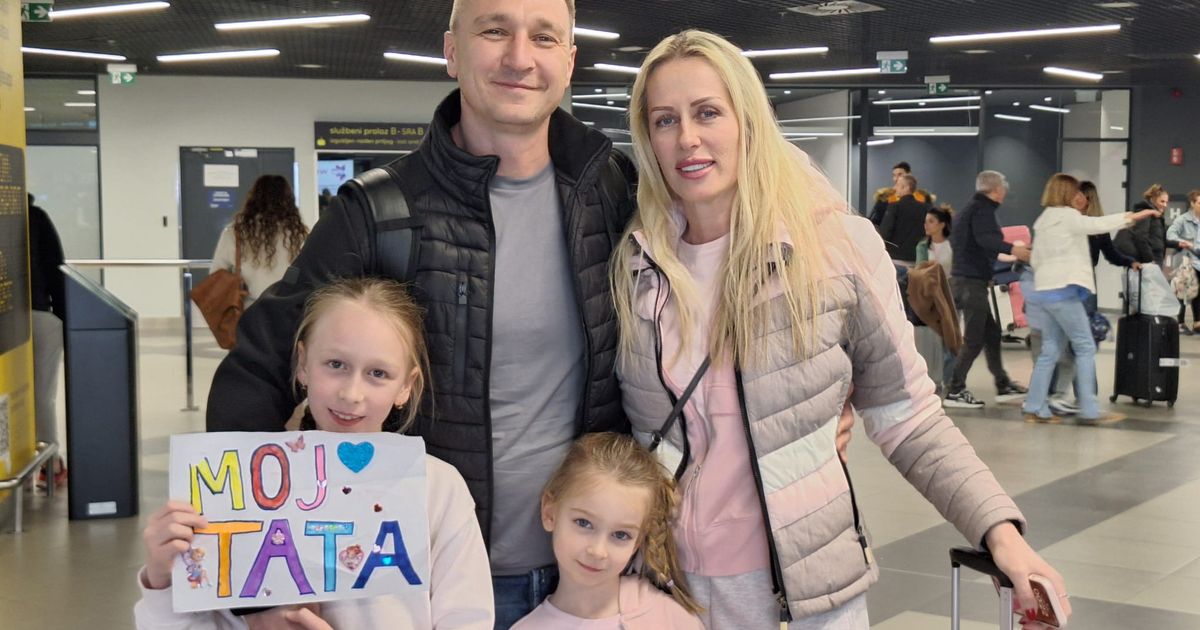



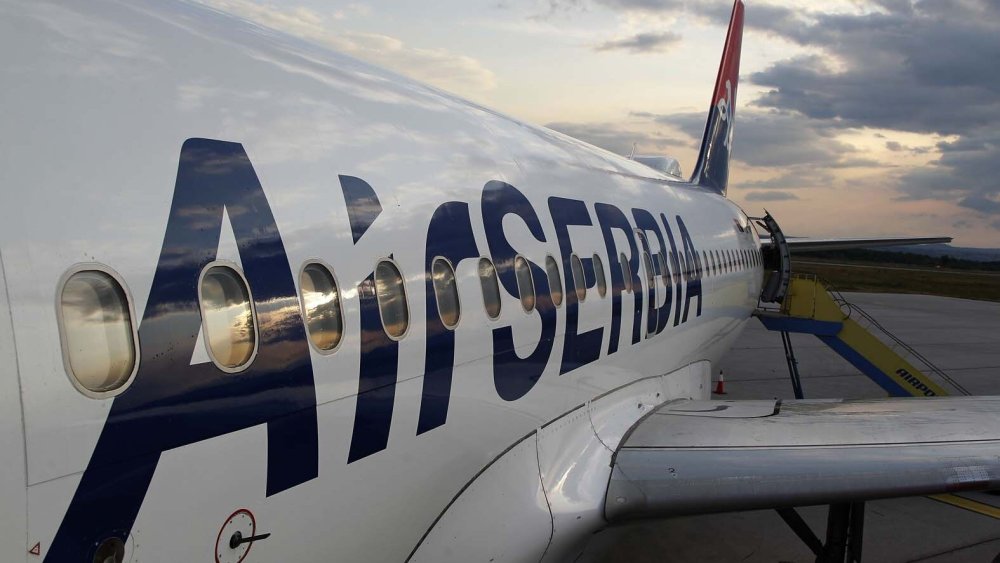
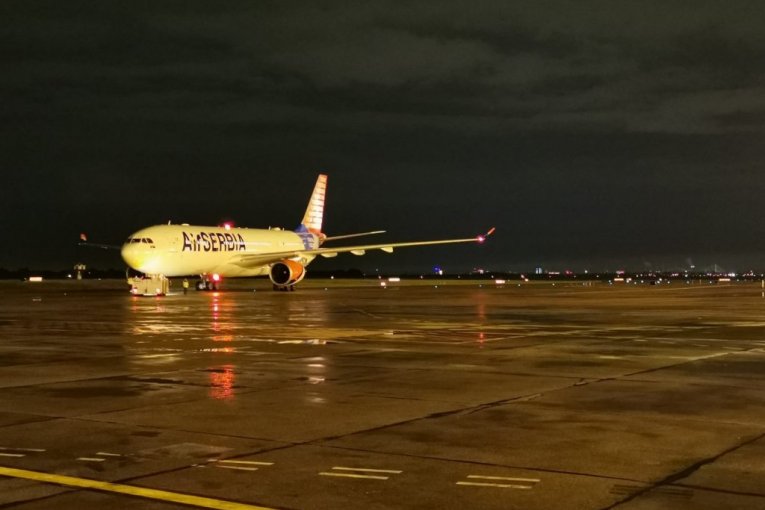
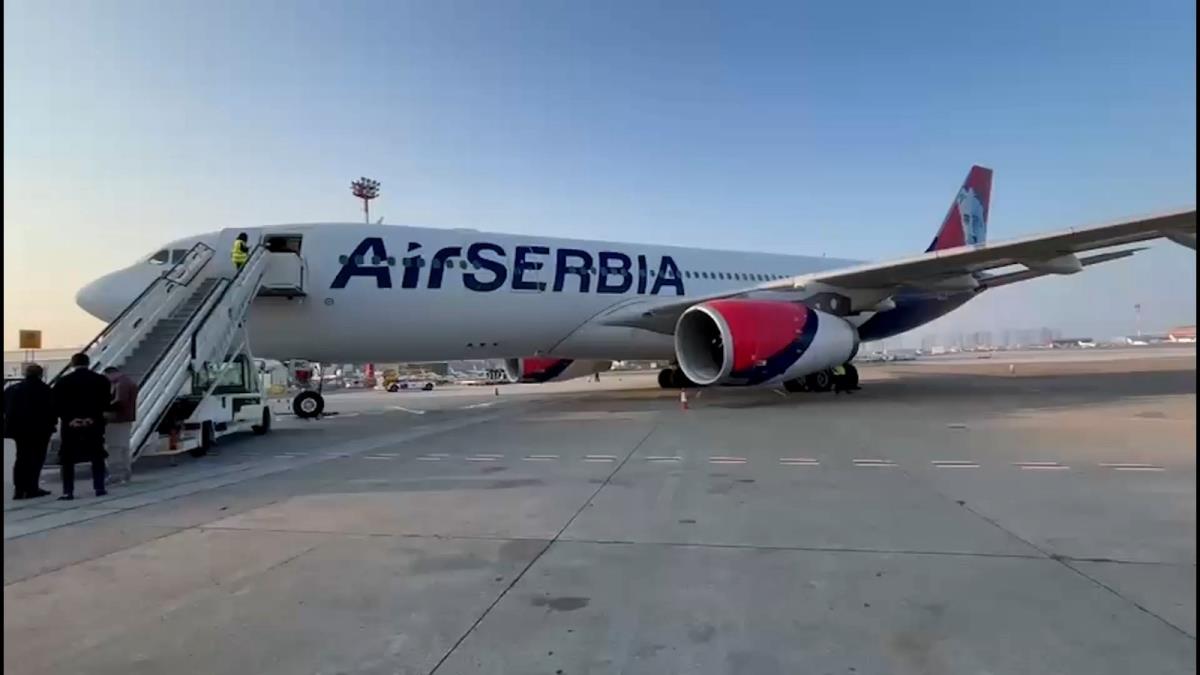
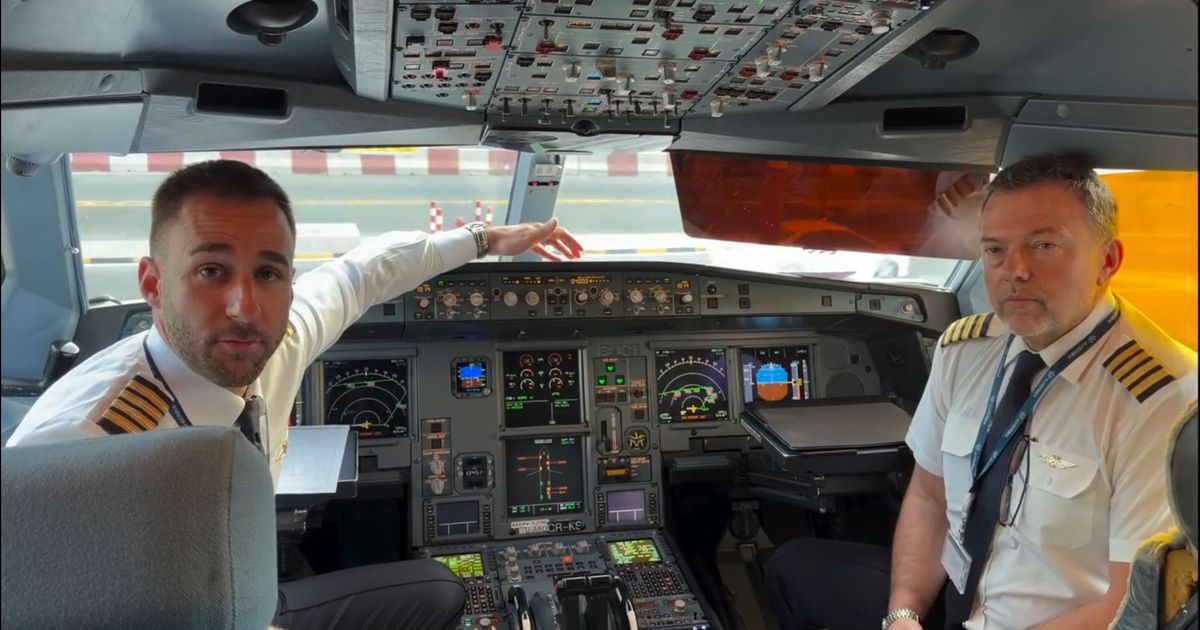
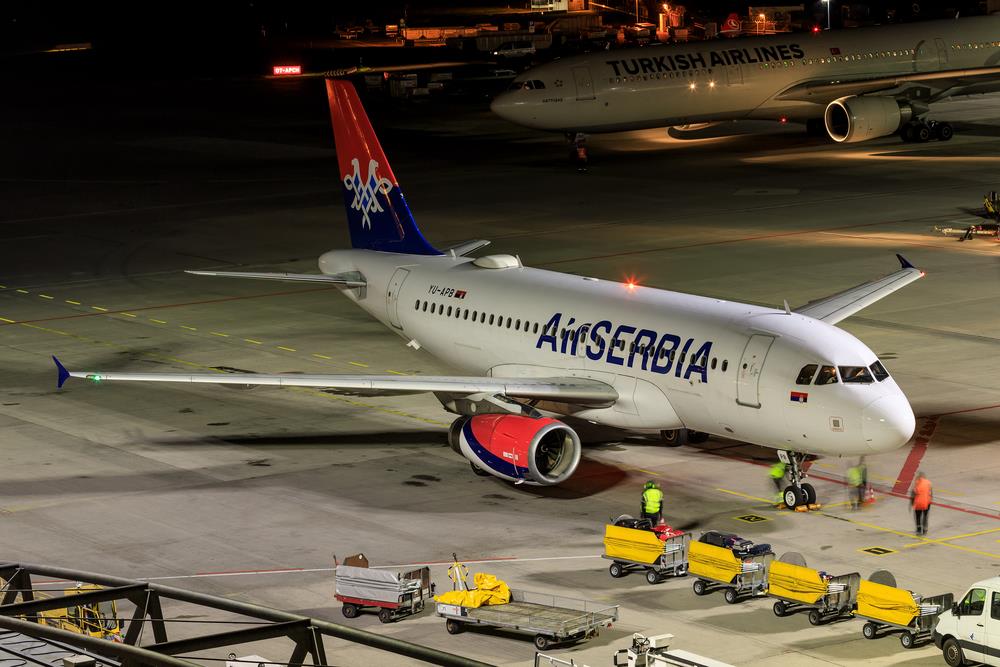
Serbian and international coverage concur that a special Air Serbia evacuation flight brought back more than 260 Serbian citizens from Dubai to Belgrade amid a sudden escalation of conflict in the wider Middle East region. Reports generally describe between 262 and 276 passengers on board, including 14 babies and several families with children, with the flight organized jointly by the Serbian Ministry of Foreign Affairs, the Serbian government, and the national airline. The plane flew from Belgrade to Dubai to pick up citizens from war-affected Gulf states and returned to Belgrade’s Nikola Tesla Airport late in the evening, where emotional scenes were reported as families reunited. Both opposition and pro-government outlets agree that this was one of the first, if not the first, organized evacuation flights from the newly defined war zone, and that additional flights are planned to meet demand from the more than 1,500 registered Serbian citizens wanting to leave the UAE and neighboring countries.
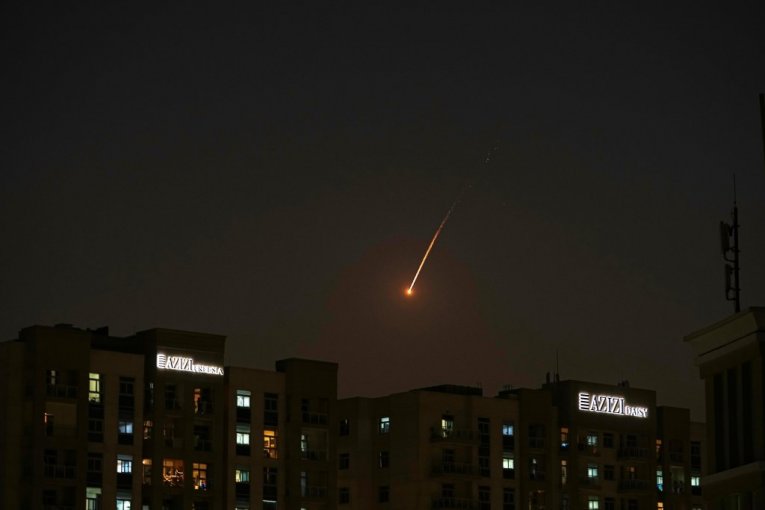
Coverage also agrees that the evacuation was conducted in challenging security conditions tied to a sharp regional escalation: a US–Israeli strike on Iran followed by Iranian missile and drone attacks on several Gulf states, including the UAE, Qatar, Bahrain, and Kuwait. Both sides highlight that Serbian diplomatic and consular services in the region, especially the embassy in the UAE, compiled lists of citizens, prioritized vulnerable groups such as tourists, pregnant women, families with children, and the sick, and coordinated closely with Air Serbia’s operational teams. There is shared acknowledgment that this operation follows earlier state-assisted returns of Serbian citizens from other crisis areas such as Sharm El Sheikh and Israel, suggesting an emerging pattern of state-led crisis repatriations. The media on both sides describe the evacuation as part of a broader institutional response, led by the Ministry of Foreign Affairs in cooperation with the government, the national airline, and airport services, to safeguard citizens during rapidly deteriorating security conditions in the Middle East.
Areas of disagreement
Scale and framing of success. Pro-government outlets frame the operation as an exceptional national achievement, repeatedly stressing that Air Serbia was among the first carriers in the world to conduct such an evacuation and highlighting precise counts of babies, families, and emotional reunions to underscore success. Opposition-aligned sources, while acknowledging the successful flight, emphasize it as a necessary and expected consular duty rather than a heroic feat, and they are less focused on celebratory narratives or record-breaking claims. They tend to present the numbers and logistics more dryly, avoiding language that elevates the government’s role beyond standard crisis management. This leads to a contrast between a triumphalist tone and a more procedural, matter-of-fact description of the same event.
Government role and personalization of credit. Pro-government media heavily foreground the involvement of the Serbian government, the Ministry of Foreign Affairs, and specific officials, repeatedly thanking and praising the prime minister, the foreign minister, and the ambassador in the UAE by name. They often portray the evacuation as proof that the current leadership places care for citizens above all, with state costs covered and rapid action taken. Opposition-aligned coverage, though acknowledging institutional coordination, tends to depersonalize the operation, referring to the Ministry or government generically and avoiding lavish credit to individual officeholders. This creates a divide between a narrative of strong, benevolent leadership and one that treats the evacuation as routine work by state bodies.
Emotional tone and imagery. Pro-government outlets lean heavily on emotional storytelling, highlighting dramatic footage from Dubai, missile strikes near Burj Khalifa, and heartwarming scenes of children greeting returning parents at the airport, reinforcing a sense of drama and national solidarity. They use personal testimonies, such as a father embracing his daughters, to build a narrative of the state as a protective family. Opposition-aligned sources, in the limited material available, keep the tone more restrained, focusing on official statements, numbers, and plans for future flights, with far fewer human-interest flourishes. As a result, pro-government reporting feels more like a cinematic rescue story, whereas opposition coverage comes across as a technical update on consular operations.
Broader political messaging. Pro-government media integrate the evacuation into a broader narrative of Serbia as a capable, globally responsive state, stressing that costs were covered, that Serbia acted early, and that hundreds more will be rescued, implicitly validating the government’s overall foreign and security policy. They invoke earlier evacuations from Israel and Sharm El Sheikh to depict continuity of careful governance. Opposition-aligned outlets, by contrast, do not strongly embed the event in a larger political storyline; when they reference future flights or other countries, it is primarily to note ongoing obligations, not to craft a campaign-friendly success story. This divergence turns the same operation into either a symbol of political competence or simply an instance of regular state responsibility under crisis.
In summary, opposition coverage tends to present the evacuation as a standard, necessary consular operation carried out by state institutions under difficult circumstances, while pro-government coverage tends to amplify the same event into a highly emotional, leadership-centered success story that reinforces the image of a caring and efficient government.
Story coverage




pro-government
Республика / Фотогалерея / Дубай - Ер Сербия
Возвращение в Белград ожидается поздно вечером.
16 days ago