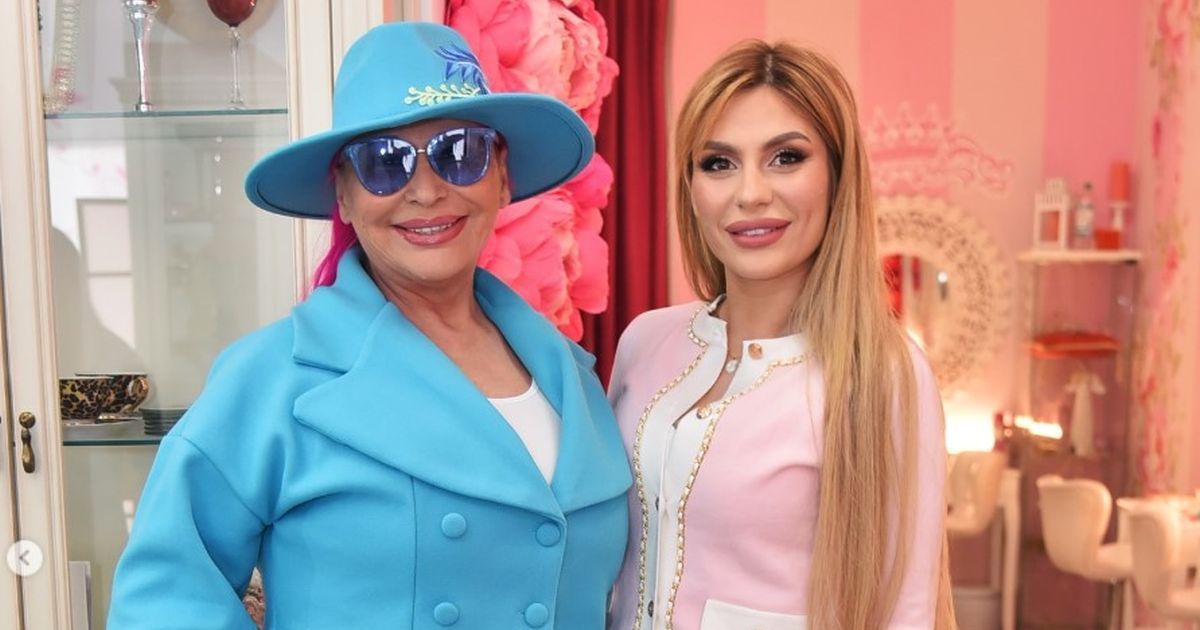
Singer Zorica Brunclik, a well‑known folk performer and TV judge, has been absent from public life and the show “Pinkove zvezde” for several weeks due to health problems and a recent surgery reportedly performed in Belgrade. During her recovery at home, she and her family reported that her official Facebook page had been hacked, prompting her to publicly warn fans that the existing profile was compromised and to direct them toward a new, verified page or profile for accurate information.
Across outlets, the basic framing is that the hacking incident occurred in the immediate aftermath of her operation, at a time when she was particularly vulnerable and largely disengaged from social media. Both sides describe the matter as a personal security issue affecting a popular public figure rather than an explicitly political affair, and they agree that her close family members, including her daughter and husband, have been involved in communicating with the public while formal medical details remain largely private.
Areas of disagreement
Framing of the incident. Opposition-aligned sources tend to present the hacking as part of a broader pattern of online insecurity and potential exploitation of public figures when they are incapacitated, placing less emphasis on the celebrity angle itself. Pro-government outlets frame it mainly as a personal misfortune and human‑interest story centered on Brunclik’s post‑surgery vulnerability, stressing her communication with fans and downplaying any systemic dimension. The result is that opposition coverage is more likely to link the episode to wider digital‑security concerns, while pro-government coverage keeps it in the realm of showbiz news.
Tone toward institutions and platforms. Opposition coverage is more inclined to question how effectively social networks and, by extension, domestic institutions protect users from hacking, using Brunclik’s case as an example of weak safeguards and slow response. Pro-government coverage either omits or softens such criticism, focusing instead on Brunclik’s appeal to followers to migrate to her new page and portraying the platform’s procedures as routine. Where opposition outlets see an opportunity to highlight regulatory gaps and demand better protection, pro-government ones treat institutional performance as a non-issue.
Use of Brunclik’s public image. Opposition-oriented media, where they comment, tend to separate Brunclik’s political sympathies from the hacking story and concentrate on the general problem of celebrities’ digital exposure, casting her more as an illustrative case than a political symbol. Pro-government outlets lean into her status as a familiar TV personality and previously visible supporter of the current establishment, presenting her ordeal in a way that elicits sympathy and reinforces her alignment with mainstream pro-government media spaces. Thus, opposition coverage keeps her more anonymous within a systemic critique, while pro-government coverage personalizes the narrative around her as a loyal, wronged public figure.
Politics in the background. Opposition sources, when they touch on politics at all, frame the affair as another reminder that even politically connected figures are not truly protected in a climate of weak rule‑of‑law and underregulated online space. Pro-government outlets generally strip the story of explicit political implications, portraying it as a neutral episode that should not be read as a reflection on state capacity or governance. This leads opposition coverage to subtly link the incident to governance shortcomings, whereas pro-government coverage insists on depoliticizing it and keeping attention on Brunclik’s recovery and interaction with fans.
In summary, opposition coverage tends to treat Brunclik’s hacked Facebook page as a symptomatic example of broader digital-security and governance issues that can affect any public figure, while pro-government coverage tends to present it as a narrowly personal, apolitical misfortune befalling a beloved singer who is recovering from surgery and maintaining contact with her audience.