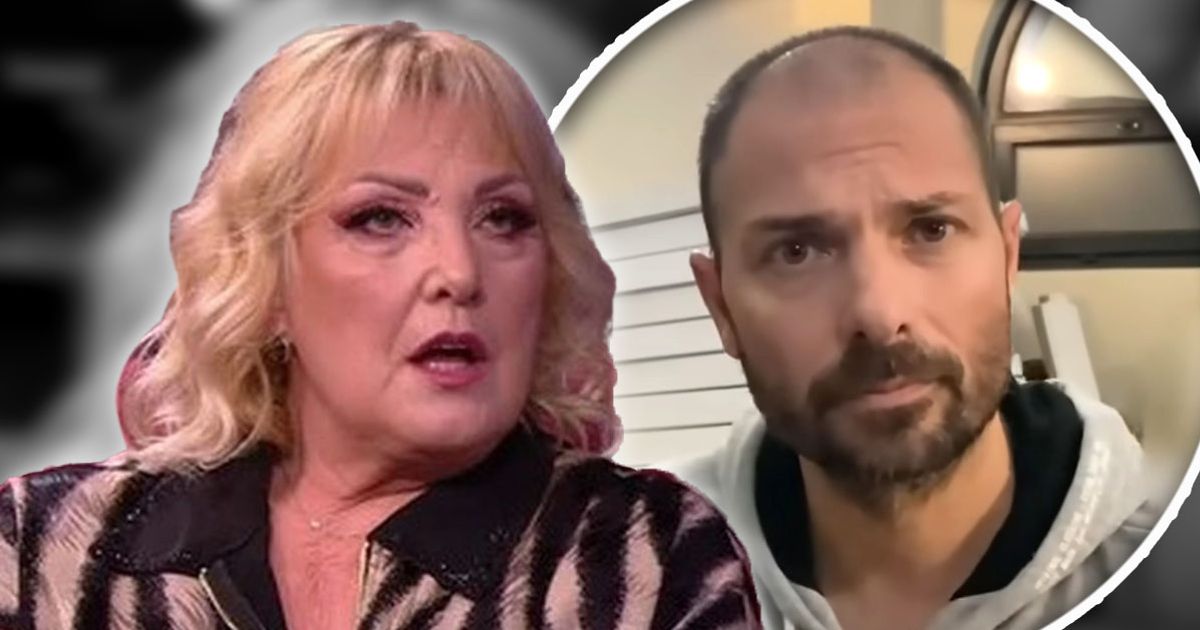
Marko Gvozdenović, the son of Serbian folk singer Snežana Đurišić, has publicly alleged that he was subjected to brutal torture in an apartment in Vračar, Belgrade, a few weeks prior to his media appearances. Across outlets, it is agreed that he claims to have been stripped naked, threatened with being burned alive, and subjected to degrading sexualized humiliation, and that he ultimately managed to escape from the apartment. All sides report that he later recounted the events in an emotional confession to the media, emphasizing the severity of the physical and psychological abuse, and that his account has triggered a wave of public shock and concern.
Coverage also converges on the broader context that this is not just a private family drama but a case raising questions about personal safety, criminal accountability, and the treatment of victims of violent abuse in Serbia. Both opposition and pro-government outlets situate the story within existing institutions such as the police, prosecutors, and courts, implying that formal investigations and legal procedures should clarify what happened and who is responsible. There is shared acknowledgment that the case touches on sensitive issues of torture-like violence in civilian settings, the vulnerability of public figures’ families, and the need for effective institutional responses and reforms to protect victims and deter extreme abuse.
Areas of disagreement
Framing of the incident. Opposition-aligned sources tend to frame the alleged torture as symptomatic of a broader climate of lawlessness, arguing that such brutality reflects deeper systemic failures in security and justice. Pro-government outlets, by contrast, present it more as a shocking but isolated criminal episode, focusing primarily on the lurid, personal details of Marko’s ordeal rather than drawing systemic conclusions. While opposition media often connect the case to patterns of violence and impunity, pro-government coverage emphasizes the dramatic narrative of escape and survival without strongly politicizing the context.
Institutional responsibility. Opposition outlets typically stress that the case illustrates the inability or unwillingness of state institutions to prevent or swiftly address severe violence, suggesting that only sustained pressure can ensure a serious investigation. Pro-government outlets, where they mention institutions, tend to reaffirm that the police and judiciary will clarify the facts and handle any perpetrators according to the law, framing the system as fundamentally functional. This leads opposition media to highlight institutional negligence and demand accountability, while pro-government reporting leans toward confidence in formal procedures and downplays systemic blame.
Political and social implications. Opposition media are more likely to link Marko’s claims to a broader narrative of insecurity and erosion of citizens’ rights under the current government, using the story as an example of what they describe as a normalized culture of violence. Pro-government outlets generally avoid drawing explicit political conclusions, treating the story as a disturbing human-interest case rather than evidence of governance failure. As a result, opposition coverage emphasizes the need for structural change and public debate, while pro-government coverage keeps the focus on individual actors and personal tragedy.
Portrayal of the victim and narrative credibility. Opposition-aligned sources tend to present Marko primarily as a victim whose testimony highlights systemic dangers and who deserves protection and institutional support, often accepting his claims at face value or questioning only the state’s response. Pro-government media, while relaying his emotional confession and the horrifying details, are more likely to treat key elements of the story as allegations that must be legally verified, signaling that full confirmation depends on ongoing or future investigations. This yields a contrast where opposition outlets foreground victim advocacy and moral urgency, whereas pro-government coverage stresses procedural caution and the presumption that authorities must first establish all the facts.
In summary, opposition coverage tends to fold Marko Gvozdenović’s allegations into a wider critique of state institutions and societal violence, while pro-government coverage tends to frame the case as an individual criminal horror, emphasizing emotional testimony and legal process while minimizing systemic and political implications.