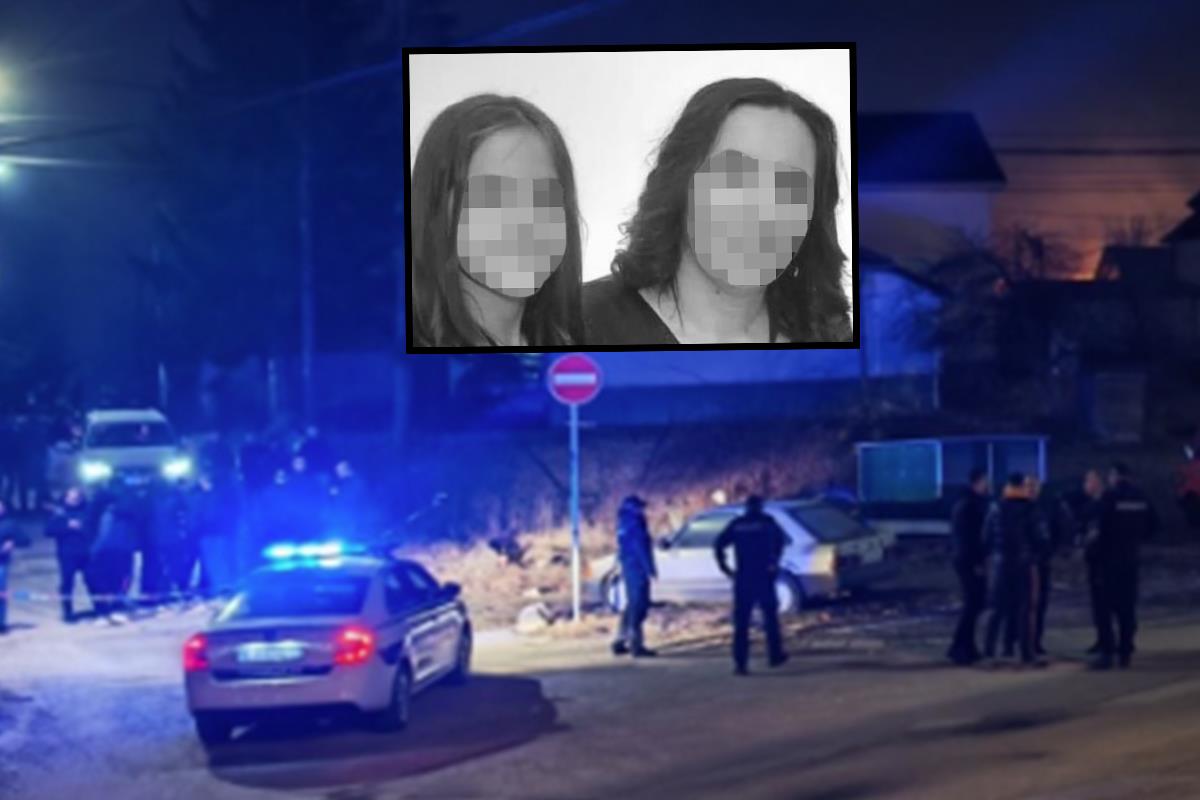
A severe traffic accident in Sjenica resulted in the deaths of a 44-year-old mother, police officer Edisa Karišik, and her 12-year-old daughter Lejla, while her nine-year-old son was critically injured and transported to Belgrade for treatment. Both opposition and pro-government outlets agree that the family was walking along the street when a car driven by a 26-year-old man, identified as A.K. or Adem K., lost control, mounted the sidewalk, and struck them, with eyewitnesses describing the impact as comparable to an explosion. Coverage aligns that the local authorities in Sjenica declared three days of mourning, that the accident happened in an urban area of the town, and that the young driver was immediately identified and detained by police for further investigation.
Across the spectrum, media concur that excessive speed and loss of vehicle control are central to the immediate causes of the crash, with no outlet disputing that the car veered onto the sidewalk and into the pedestrians. Reports consistently reference the involvement of police and prosecutorial authorities in reconstructing the event, conducting forensic analysis, and determining whether additional factors such as road conditions or potential impairment played a role. There is also broad agreement that the tragedy has reignited public discussion about traffic safety, enforcement of speed limits, and pedestrian protection in smaller Serbian towns, with all sides acknowledging that the case is being treated as a serious criminal matter that may lead to harsher charges and renewed calls for systemic road-safety reforms.
Areas of disagreement
Responsibility and blame. Opposition-oriented outlets tend to frame the accident as a predictable consequence of long-term state failure in enforcing traffic laws, highlighting systemic negligence and underfunded local policing. Pro-government media, while stressing the driver’s alleged speeding and personal responsibility, generally avoid broad institutional blame and focus on the individual act and ongoing investigation. Opposition coverage more frequently connects this case to a pattern of unpunished reckless driving and political protection for offenders, whereas pro-government sources emphasize that authorities reacted promptly and that the justice system is functioning.
Institutional accountability. Opposition sources often question whether local and national institutions will truly investigate all circumstances, including potential political or personal connections of the driver, and suggest that previous cases show a culture of impunity. Pro-government outlets portray the police and prosecution as proactive and professional, underscoring quick detention of the driver, formal procedures, and official declarations of mourning as evidence the state is taking the tragedy seriously. While opposition media raise doubts about the independence and rigor of the inquiry, pro-government media largely present institutional statements as credible and sufficient.
Broader narrative and politicization. Opposition-aligned reporting is more likely to use the accident to illustrate what it sees as a broader crisis of public safety, weak rule of law, and deteriorating infrastructure under the current government. Pro-government coverage tends to depoliticize the event, framing it primarily as a human tragedy and an isolated incident, focusing on the grief of the community and the personal stories of the victims and witnesses. Opposition outlets often connect this incident to previous fatal accidents to argue for political change, whereas pro-government outlets highlight community solidarity, mourning ceremonies, and the victim’s service as a police officer without turning it into an explicit indictment of current leadership.
Proposed reforms and solutions. Opposition media commonly call for stricter enforcement of speed limits, harsher penalties for dangerous driving, and a comprehensive overhaul of traffic safety policies, presenting the Sjenica case as proof that existing measures are inadequate. Pro-government sources, when discussing reforms, usually echo official statements about ongoing or planned improvements, emphasizing educational campaigns, technical inspections, and targeted police controls rather than radical policy shifts. This leads opposition outlets to portray current and promised measures as cosmetic or delayed, while pro-government reporting suggests that the tragedy underscores the importance of continuing the government’s current traffic-safety agenda.
In summary, opposition coverage tends to cast the Sjenica accident as emblematic of systemic state failure and a pattern of impunity demanding deep political and legal reforms, while pro-government coverage tends to treat it as a tragic but isolated incident rooted in individual wrongdoing, highlighting prompt institutional response, community mourning, and incremental safety measures.