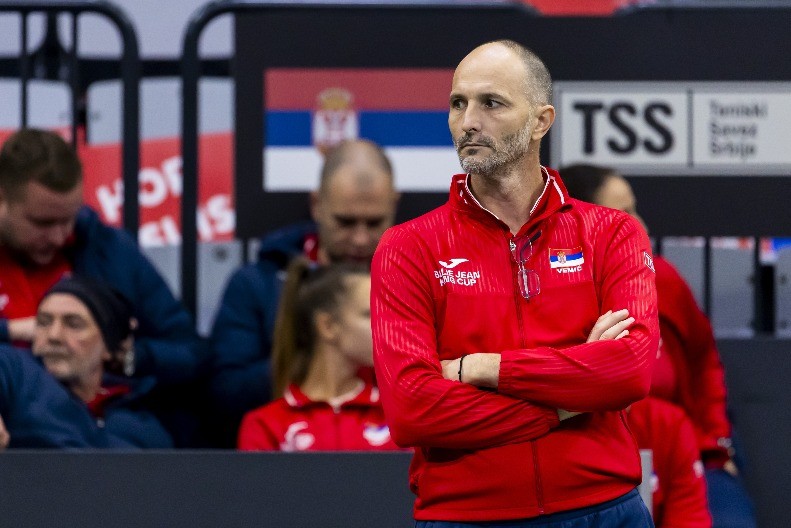

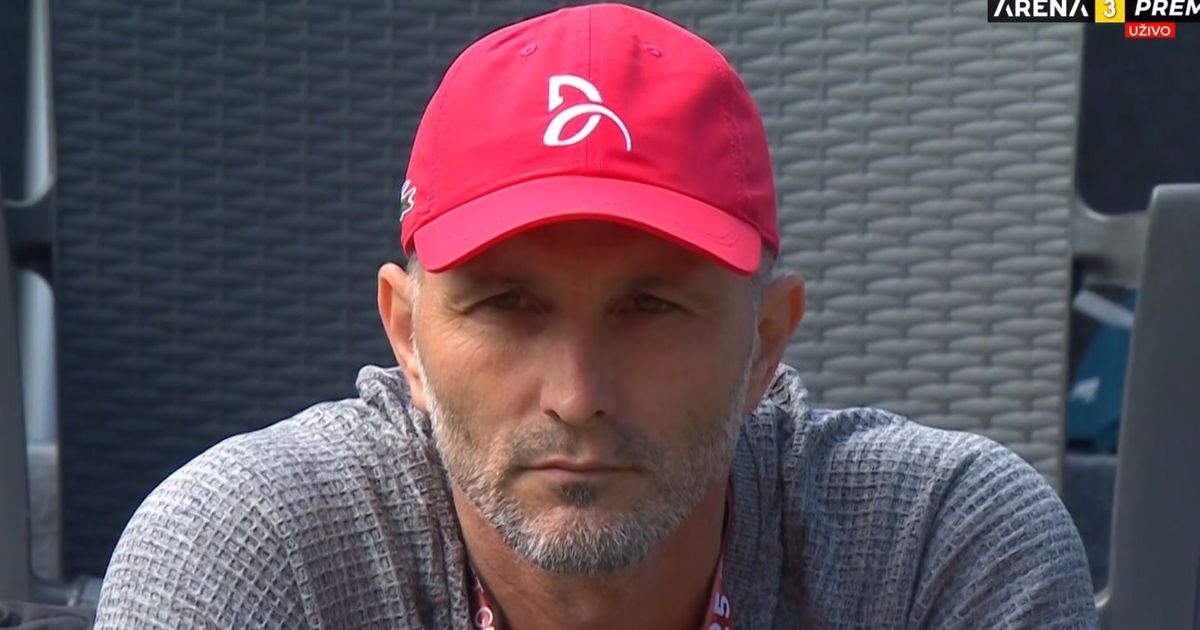
Serbia’s women’s tennis team has been drawn into Group A of the Euro-African Group 1 stage of the Billie Jean King Cup, to be held in Oeiras, Portugal, from April 7 to 11. The group includes national teams from Slovakia, Croatia, and Lithuania, and the competition format stipulates that only the first-placed team in the group will advance to the playoff phase, making every tie crucial for progression.
Across coverage, there is agreement that the Serbian team will again face a demanding group, but with a more experienced roster than in the previous campaign under coach Dušan Vemić. The Billie Jean King Cup is recognized in all reports as the premier international women’s team competition in tennis, and Serbia’s participation in the Euro-African Group 1 is seen as part of a longer-term effort to return to the higher tiers of the event, with coaching continuity and player development framed as key elements of that strategy.
Areas of disagreement
Framing of the draw difficulty. Opposition-aligned outlets tend to characterize the group as unforgiving, emphasizing the strength of Slovakia and Croatia and portraying the draw as another example of Serbia facing structurally tough paths in international sport. Pro-government media, by contrast, acknowledge the difficulty but cast it as a prestigious and even "famous" group, framing it as an opportunity rather than a handicap and underscoring that Serbia belongs among such opponents.
Assessment of Serbia’s chances. Opposition coverage typically stresses the risk of failing to top the group, highlighting the single-qualifier rule as a high barrier and warning that even strong performances may not be enough. Pro-government outlets focus on the coach’s confidence and the team’s improved experience, suggesting that Serbia is a strong contender to win the group and presenting advancement to the playoffs as a realistic, even expected, goal.
Role of coaching and federation support. Opposition sources are more likely to question whether the tennis federation and broader sports structures have provided sufficient support and continuity, framing any potential underperformance as symptomatic of deeper systemic issues. Pro-government coverage, however, tends to spotlight Dušan Vemić’s leadership, the continuity of his tenure, and incremental progress since last year, implying that institutional backing is adequate and producing visible improvement.
Political and symbolic undertones. Opposition-aligned reporting may implicitly link the pressure on the team to wider dissatisfaction with national sports governance, using the draw as an example of how results are demanded without long-term planning or investment. Pro-government media usually keep a narrow sports focus, treating the event as a neutral arena for national representation and pride, and avoiding broader political analogies or critiques.
In summary, opposition coverage tends to emphasize the harsh competitive conditions, structural vulnerabilities, and potential for disappointment, while pro-government coverage tends to spotlight opportunity, growing experience, and institutional competence in presenting Serbia as a rising contender in the group.