

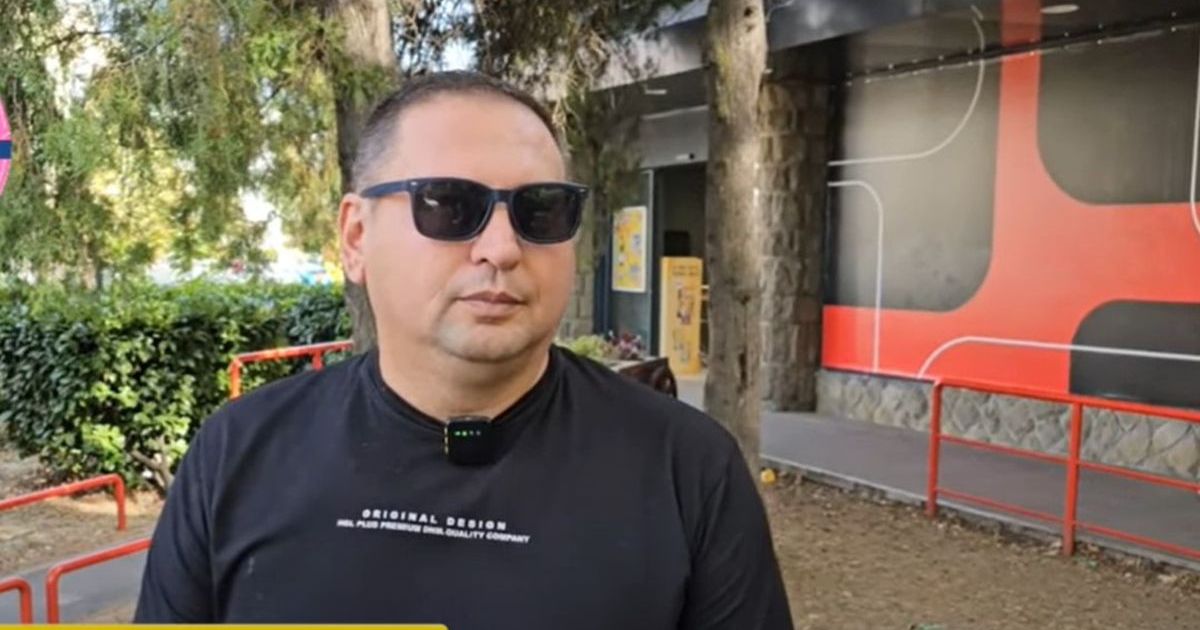
Radomir Marinković Taki, father of reality show participant Maja Marinković, recently underwent surgery in Belgrade to remove gallstones and was discharged in stable condition, with doctors reportedly expecting a recovery period of about 40 days. Immediately after the procedure, or very soon thereafter, he went to a lawyer’s office in Belgrade to initiate a series of lawsuits against people he considers to be his daughter’s "enemies," primarily linked to conflicts she has had within the reality show, and media report that Maja herself is currently inside the show’s bubble and largely unaware of his post‑surgery legal moves and the commotion they have created.
Across outlets there is agreement that the backdrop to these events is the highly controversial, widely watched reality show in which Maja is a central and polarizing figure and where clashes with other contestants often spill into tabloids and social media. Both sides frame Taki’s actions as part of a broader pattern in which family members of reality stars, lawyers, and media houses regularly interact with the courts and with each other over alleged insults, defamation, and perceived moral or reputational harm tied to televised conflicts, illustrating how entertainment formats, health scares, and legal threats intersect in Serbia’s celebrity ecosystem.
Areas of disagreement
Motives and seriousness. Opposition-aligned sources tend to portray Taki’s post‑surgery legal offensive as a publicity‑seeking stunt that exploits his medical episode to generate tabloid drama and distract from more substantive social issues, sometimes questioning whether the lawsuits will ever seriously progress. Pro-government outlets instead stress his role as a protective father responding to real verbal and reputational attacks on his daughter, treating his visit to the lawyer as a legitimate and decisive step rather than a media gimmick.
Framing of chaos and responsibility. Opposition media are more likely to describe the situation around Taki as symptomatic of a broader moral and media "decay" encouraged by authorities, highlighting the "general chaos off camera" as evidence of a toxic reality industry and a permissive state. Pro-government outlets use the same "chaos" framing in a more personalized, sensational way, focusing on family drama and Maja’s ignorance of her father’s actions rather than attributing systemic responsibility to regulators or the government.
Systemic implications. Opposition coverage tends to link Taki’s lawsuits and reality‑show feuds to a larger critique of how pro-government-aligned broadcasters profit from conflict and humiliation while courts are selectively responsive, suggesting that such episodes reveal deeper problems in media regulation and the rule of law. Pro-government media, by contrast, rarely draw systemic conclusions, presenting the story as a self-contained celebrity saga and emphasizing that everyone involved, including Taki through legal channels, can seek redress within existing institutions.
Portrayal of Taki’s health and conduct. Opposition sources, where they comment, are prone to irony about the fact that he went "from the operating table straight to the lawyer," implying recklessness and a lack of seriousness that mirrors the spectacle of the show itself. Pro-government outlets treat his health story more sympathetically, stressing that the gallstone surgery went well, that doctors expect a full recovery in about 40 days, and framing his quick move to file suits as evidence of determination rather than irresponsibility.
In summary, opposition coverage tends to cast Taki’s lawsuits and post‑surgery behavior as emblematic of a degraded, politicized media landscape and a spectacle-driven legal culture, while pro-government coverage tends to humanize him as a recovering father defending his daughter and to frame the entire affair as ordinary celebrity drama without deeper political or institutional significance.