

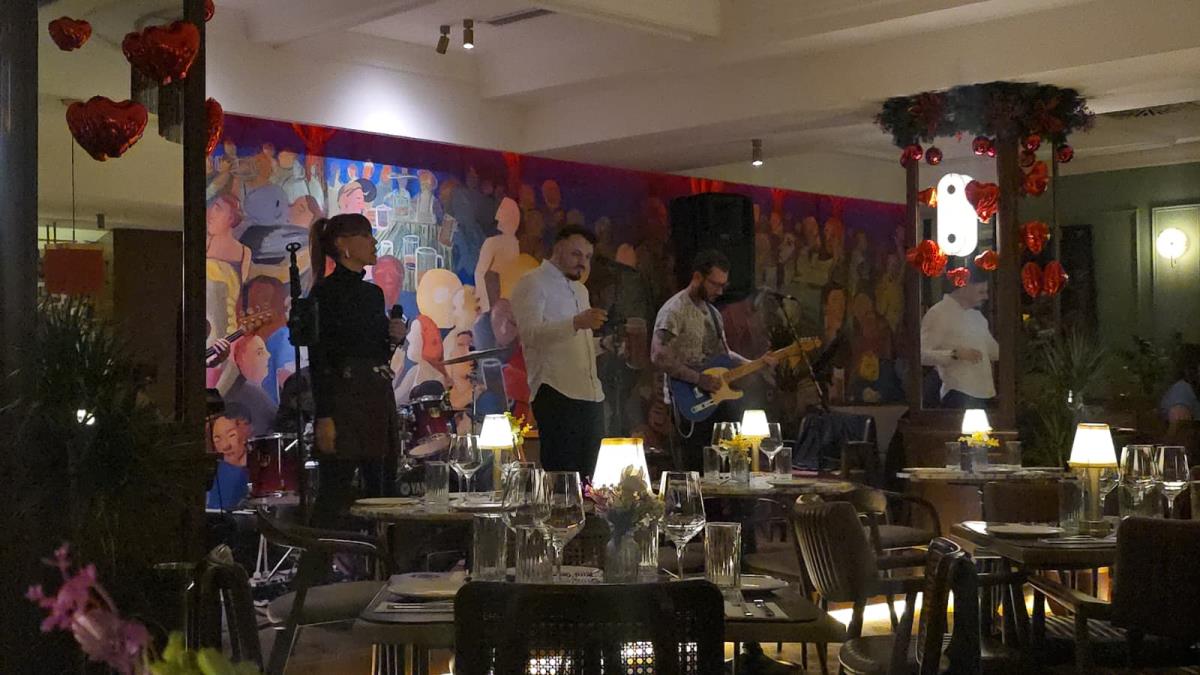
Macedonian singer Daniel Kajmakoski, known as the winner of X Factor Adria, was recently kidnapped in Belgrade after a performance and later found tied up in a wrecked car, after which he safely returned home. Following a short break, he has resumed his professional obligations, appearing on stage in popular Belgrade venues with his band, described as elegant, focused, and dedicated to his music and audience. Media from both camps agree that the incident was serious and traumatic, that an official investigation is ongoing, and that his psychological condition is described as stable, with his family more shaken than he is.
Coverage across outlets also concurs that the case has been taken up by law enforcement institutions, that the perpetrators have not yet been publicly identified, and that there is speculation they may be foreign nationals who entered Serbia illegally. Both sides present the kidnapping and his quick return to work against a broader backdrop of cross-border crime risks and the pressures placed on public figures, while noting that the formal legal process and any institutional reforms or responses are still in an early, fact‑gathering phase.
Areas of disagreement
Framing of the incident. Opposition-aligned outlets are likely to frame the kidnapping as a symptom of deteriorating public security and institutional weakness, emphasizing the shock that a high-profile artist could be abducted after a routine performance and suggesting this reflects broader governance failures. Pro-government outlets instead present the incident more as an isolated criminal act, focusing on the dramatic rescue, the ongoing investigation, and Kajmakoski’s rapid return to normal life as proof that the system ultimately works. Opposition coverage would stress how the very occurrence of such a crime is unacceptable, while pro-government coverage stresses the response and recovery rather than the systemic implications.
Portrayal of state institutions. Opposition media are inclined to highlight gaps in policing, border control, and investigative capacity, potentially questioning how alleged foreign perpetrators could operate so freely and whether there will be meaningful accountability. Pro-government outlets, by contrast, underscore that police and judicial authorities are actively working on the case, citing early investigative leads such as the suspicion that non-citizens are involved, to signal competence and resolve. Where opposition narratives frame institutions as reactive, slow, or politicized, pro-government narratives frame them as professional, coordinated, and ultimately protective of citizens and public figures.
Focus of human-interest angle. Opposition reporting is more likely to dwell on the psychological toll on Kajmakoski and his family, using their distress to underline the climate of insecurity and to question whether the state can truly safeguard artists and ordinary people. Pro-government coverage foregrounds his resilience, professionalism, and quick return to the stage, portraying him as overcoming trauma with the support of his team and, implicitly, the authorities. Thus, opposition outlets lean into vulnerability and fear as a lens on the broader society, while pro-government outlets pivot to recovery, normality, and the continuity of cultural life.
Political undercurrents. Opposition sources are inclined to situate the kidnapping within a larger narrative of rising crime and impunity under the current government, sometimes hinting that only a change in leadership or serious reform can prevent similar incidents. Pro-government media either avoid explicit political angles or subtly use the case to argue that cross-border criminal threats are being managed responsibly, framing blame around foreign criminals rather than domestic governance. Where opposition coverage suggests that the government’s security record is on trial, pro-government coverage suggests the episode validates existing policies on security and migration control.
In summary, opposition coverage tends to treat Kajmakoski’s kidnapping and return to the stage as evidence of deeper security and governance problems that endanger public figures and citizens alike, while pro-government coverage tends to depict it as an exceptional crime met with an adequate institutional response, highlighting the singer’s resilience and the authorities’ ongoing investigation rather than systemic failure.