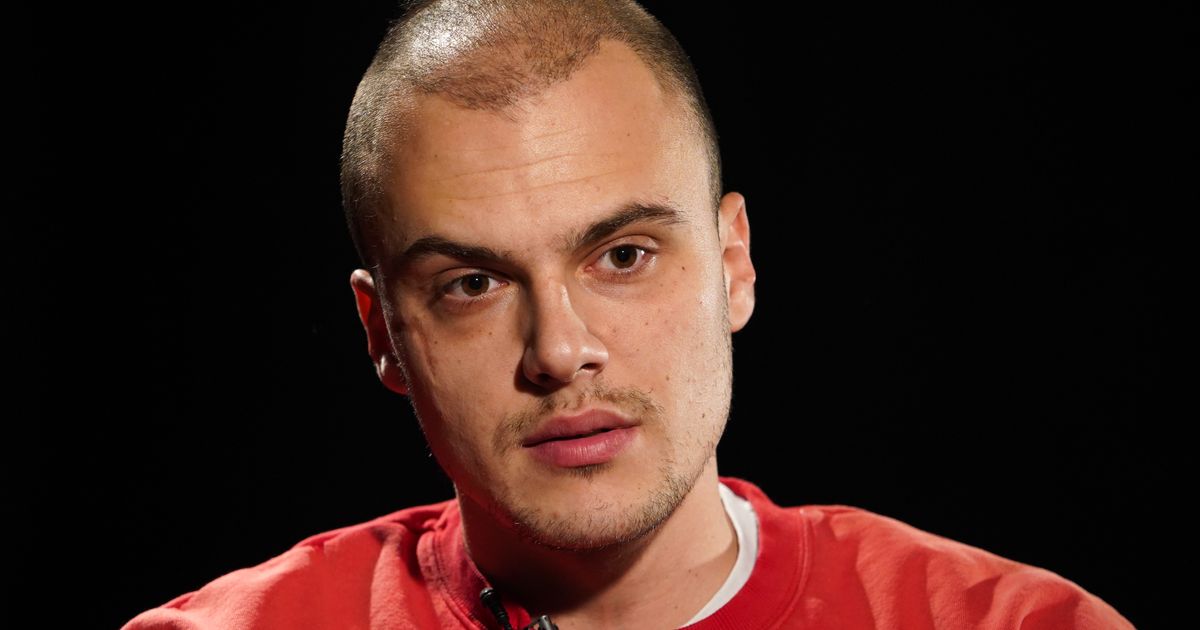



Actor Miodrag Dragičević and actress Olivera Bacić have, according to both opposition and pro-government outlets, divorced after roughly five years of marriage. All sides agree that the split has been formalized, that they share a young daughter named Vasilija, and that the decision was presented as mutual and without public conflict or scandal. Both camps note that Bacić has removed the surname Dragičević from her social media profiles, reverting publicly to her maiden name, and that the former couple is emphasizing their continued dedication to co-parenting and supporting their child.
Across the spectrum, coverage situates the divorce in the context of a previously perceived harmonious and popular acting couple, highlighting the surprise the news caused among fans and in the entertainment community. Outlets agree that Dragičević has traveled with his daughter to California shortly after the divorce, framing this move as time spent together rather than an escape or dispute, and they largely accept the couple’s portrayal of an amicable, discreet separation. Shared context also includes earlier public statements by Dragičević criticizing divorce as a modern trend and calling for more perseverance in relationships, which are now referenced as background to underscore how unexpected this breakup appears.
Areas of disagreement
Framing of the split. Opposition-aligned outlets tend to describe the divorce in a more matter-of-fact, lifestyle-news tone, stressing the calm, amicable decision and focusing on logistical details like the California trip and social media changes. Pro-government outlets, by contrast, frame the event with more dramatic language, calling them a famous, harmonious couple and emphasizing how shocking the breakup is, which adds emotional weight and a sense of public loss rather than simple private reorganization.
Use of Dragičević’s past views on divorce. Opposition coverage largely treats Dragičević’s prior criticisms of divorce, if mentioned at all, as a background curiosity rather than a moral focal point, leaving readers to draw their own conclusions about any contrast between his words and current actions. Pro-government media dwell more heavily on his earlier statements about divorce being a fashionable trend and a sign of insufficient struggle in relationships, subtly framing the split as part of a wider erosion of traditional values and inviting questions about consistency between his public stance and private decisions.
Tone toward privacy and spectacle. Opposition outlets generally highlight the couple’s desire to avoid drama and present the story in a restrained register, implicitly respecting the actors’ privacy and steering away from moralizing commentary. Pro-government outlets, while also noting the lack of public spectacle, frame this discretion as almost exemplary but simultaneously surround it with sensational headlines and value-laden reflections on marriage, thereby drawing more attention to the story’s moral and emotional dimensions.
Interpretation of future implications. Opposition reporting tends to stop at the immediate facts—formal divorce, co-parenting, travel plans—without speculating about long-term consequences for their careers or public image. Pro-government coverage more readily links the divorce to broader narratives about modern relationships and social norms, suggesting that the case illustrates a generational shift in attitudes toward marriage and commitment and hinting that public figures bear particular responsibility in navigating these changes.
In summary, opposition coverage tends to report the divorce as a discreet, fact-based development in the private lives of two public figures, while pro-government coverage tends to dramatize the split, embed it in broader moral narratives about divorce and tradition, and highlight the tension between Dragičević’s past pronouncements and his present situation.