


pro-government
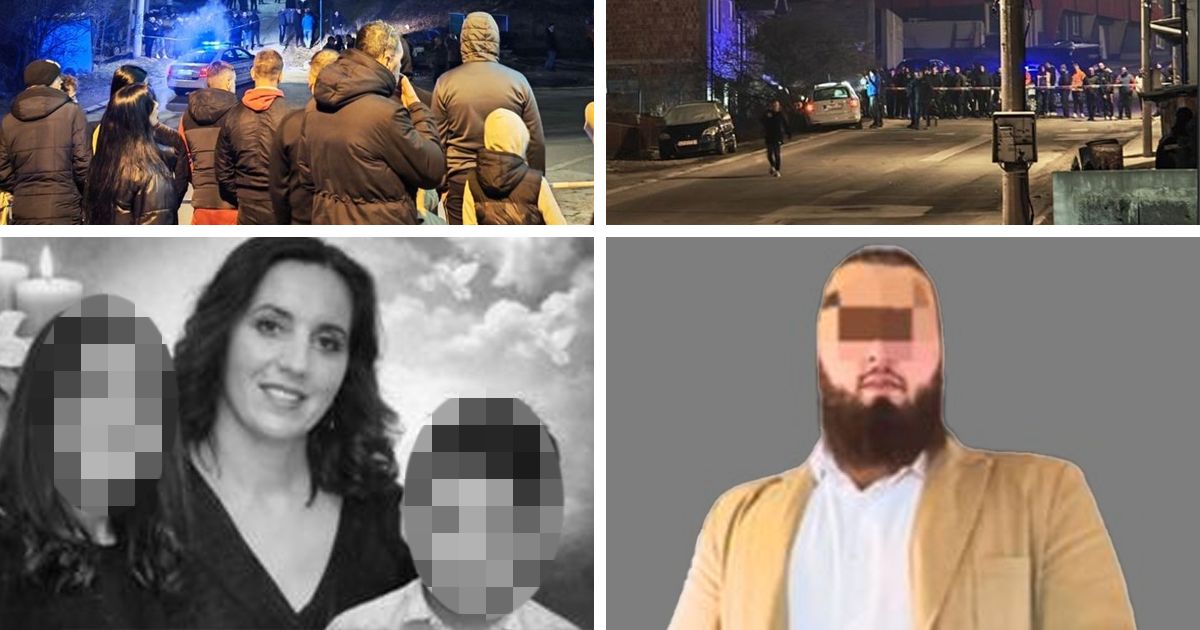
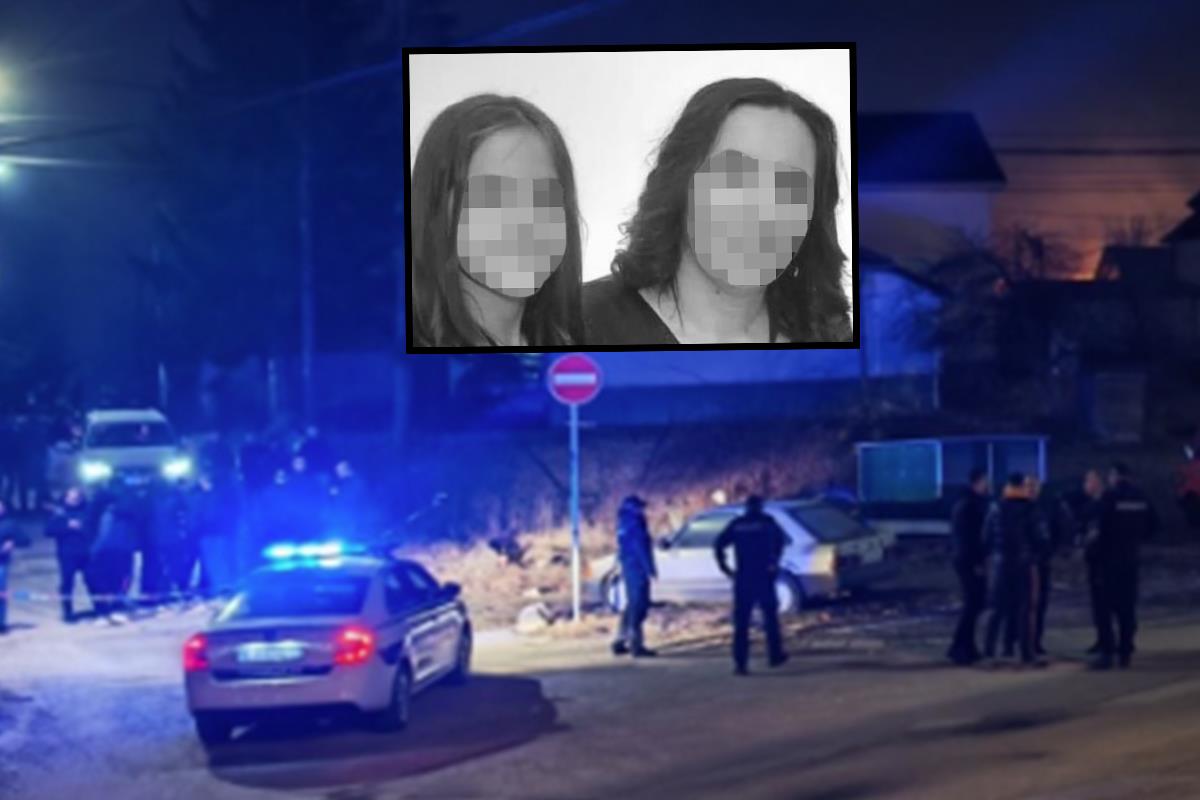
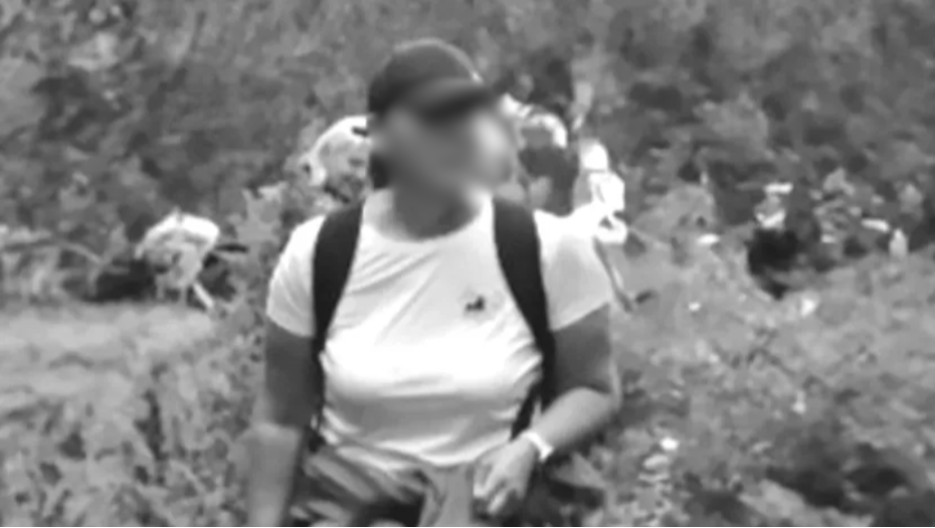
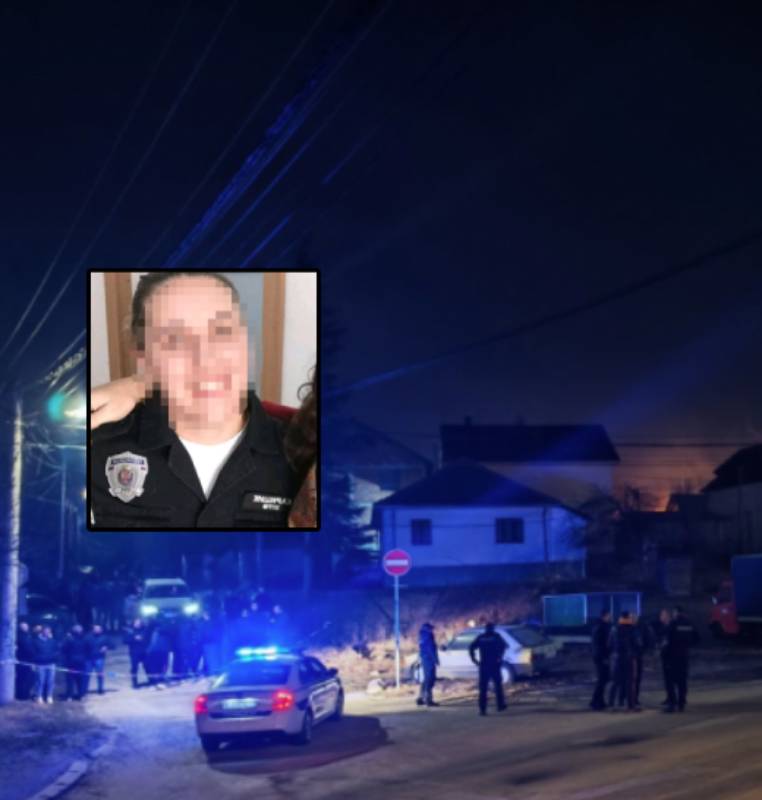
THIS IS THE POLICEWOMAN (44) WHO DIED WITH HER CHILDREN IN SJENICA! Daughter (12) died with her mother, son died on the way to the hospital! (PHOTO)
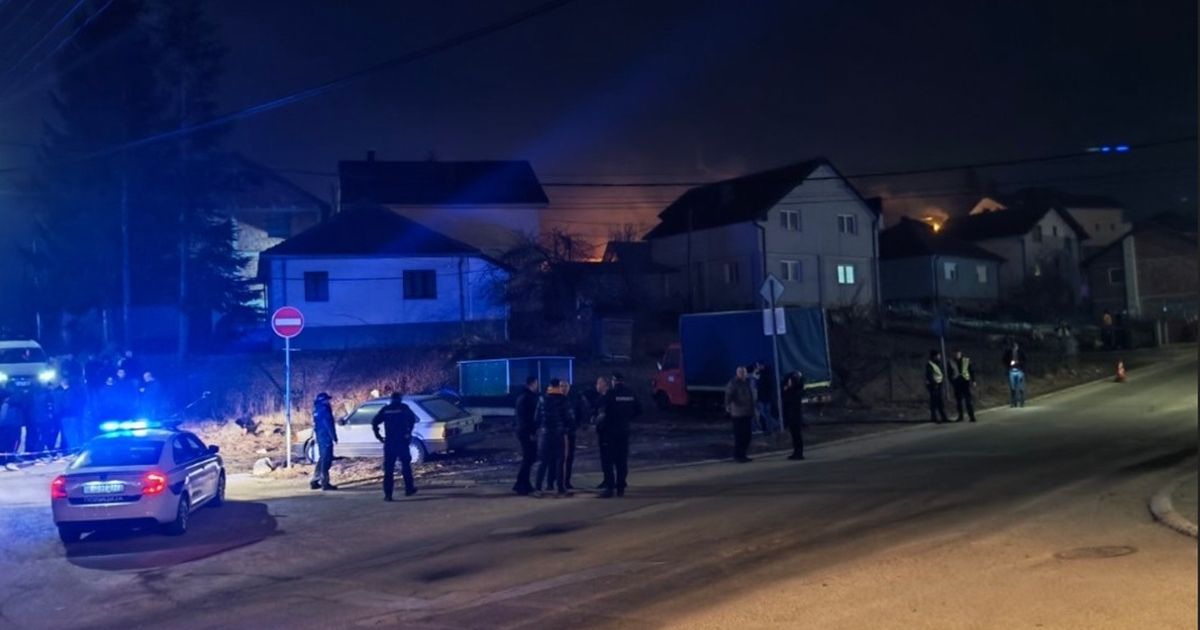
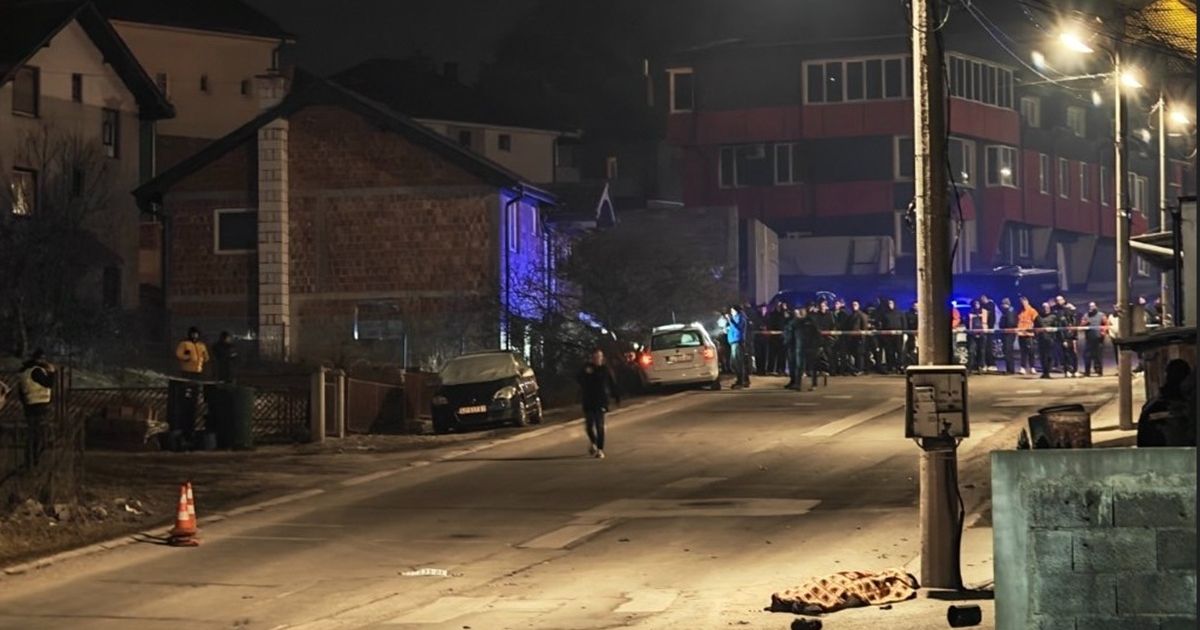
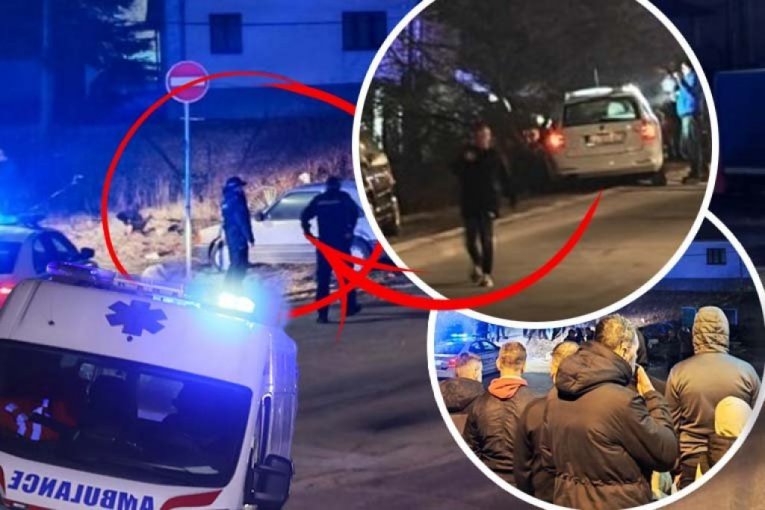
A Skoda vehicle driven by A. K. hit them in a pedestrian crossing.
a month ago
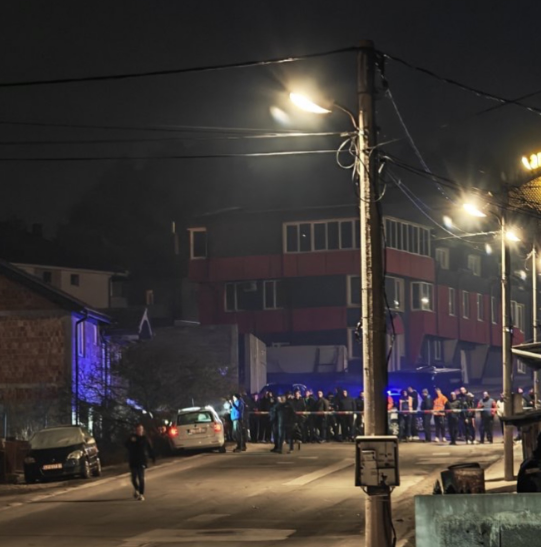
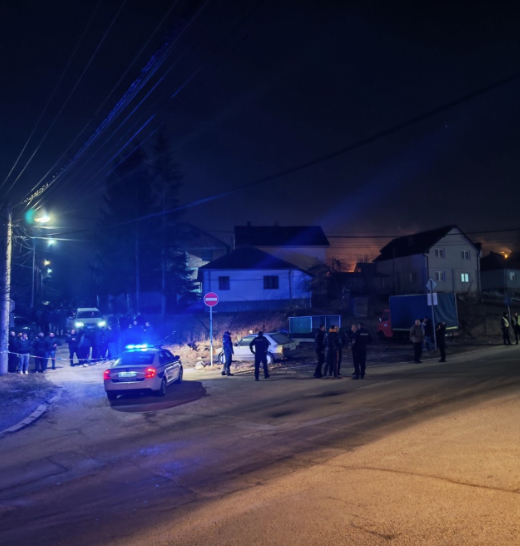
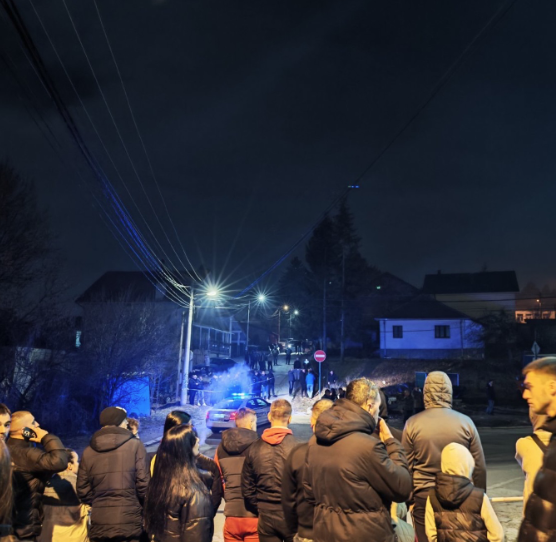
A tragic traffic accident in Sjenica claimed the lives of three members of the same family: a 44-year-old mother, who was a police officer, her 12-year-old daughter, and her 9-year-old son. Both opposition and pro-government outlets describe a passenger car, identified as a Škoda driven by a 26-year-old man (A.K.), losing control and hitting the family while they were pedestrians, either on the sidewalk or at/near a pedestrian crossing on Ahmeta Dabića (or similarly named) street in Sjenica. The mother and daughter died at the scene, and the son, initially reported as critically injured and transported toward hospitals in Užice or Belgrade, later died on the way despite intensive medical efforts. All coverage notes that the incident happened in an urban zone, that emergency services and police responded quickly, and that an official investigation is underway to determine the exact circumstances.
Reporting across the spectrum converges on core contextual points: the mother’s role as a serving police officer in the Novi Pazar Police Administration, the deep shock and mourning in Sjenica and the wider Sandžak region, and the driver’s alleged excessive speed and loss of control as the immediate cause. Both sides mention that the car allegedly hit gravel before veering off its path, that eyewitnesses likened the impact to an explosion, and that the driver was in visible shock after the collision. Outlets agree that this tragedy has reopened long-standing concerns over road safety, speeding in town zones, and the need for stricter traffic enforcement and infrastructure improvements around pedestrian crossings. There is shared emphasis on the human dimension — funeral scenes, colleagues’ condolences, and the father’s grief and hospital vigil — as well as on the expectation that the ongoing police and prosecutorial investigation will clarify legal responsibility.
Responsibility and blame. Opposition-aligned sources tend to frame the crash as a systemic failure, stressing that chronic speeding in Sjenica and weak enforcement created conditions in which such a tragedy was “inevitable,” and they more directly question whether local and national authorities neglected known black spots. Pro-government outlets, by contrast, center the narrative on the individual driver, emphasizing his alleged excessive speed, the gravel on the road, and his shock and remorse, thereby personalizing rather than systematizing blame. Opposition coverage is more likely to connect this case to a pattern of fatal accidents under the current government, while pro-government reports usually treat it as an isolated, if horrifying, incident pending the outcome of the investigation.
Institutional accountability and reforms. Opposition media typically use the story to highlight alleged inertia by the Ministry of Interior and local governments, arguing that despite previous appeals for better signage, speed control, and pedestrian protections, nothing substantial was done. They often portray the fact that the victim was a police officer as an indictment of a system that cannot even protect its own. Pro-government coverage, however, stresses that police quickly secured the scene, diverted traffic, and launched an investigation, presenting this as evidence of institutions functioning properly, and speaks of ongoing or planned traffic-safety initiatives in more general terms without tying them directly to political responsibility.
Political framing and tone. Opposition outlets tend to adopt an accusatory and politicized tone, explicitly linking the tragedy to broader themes such as underinvestment in Sandžak, disregard for peripheral municipalities, and a culture of impunity for traffic offenders under the current authorities. They more openly question whether the investigation will be thorough and whether any influential connections might shield the driver. Pro-government outlets maintain a more depoliticized, emotive tone focused on grief, solidarity, and personal stories of the victims and their family, avoiding direct criticism of state bodies and presenting official statements as sufficient.
Media focus and narrative emphasis. Opposition coverage is more likely to foreground structural details — past complaints by residents, statistics on traffic deaths, and comparisons with other fatal crashes — to support a narrative of systemic neglect. Pro-government media give more space to human-interest elements, such as farewell messages from colleagues, descriptions of the funeral, and the father’s words from the hospital, reinforcing themes of unity, compassion, and trust in the authorities to handle the case. Where opposition pieces might close with demands for resignations or concrete safety measures, pro-government pieces more often end with calls for prayer, condolences, and patience for the results of the investigation.
In summary, opposition coverage tends to treat the Sjenica tragedy as emblematic of deeper systemic and political failures around road safety and institutional responsibility, while pro-government coverage tends to individualize the incident, emphasize human grief and official responsiveness, and minimize overt political critique.