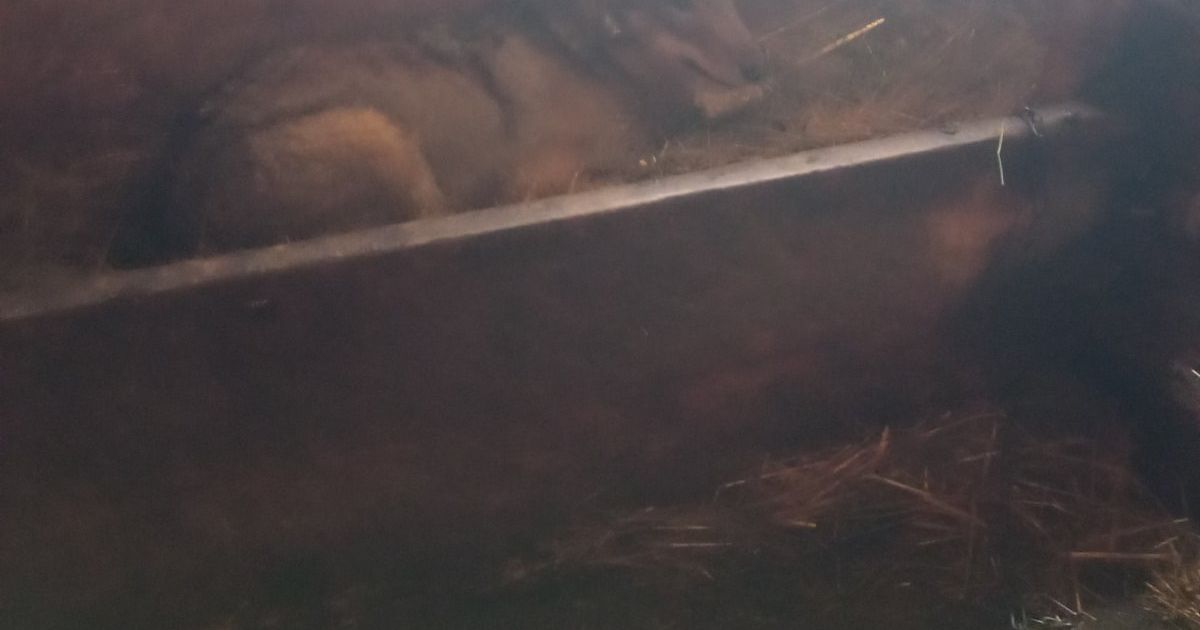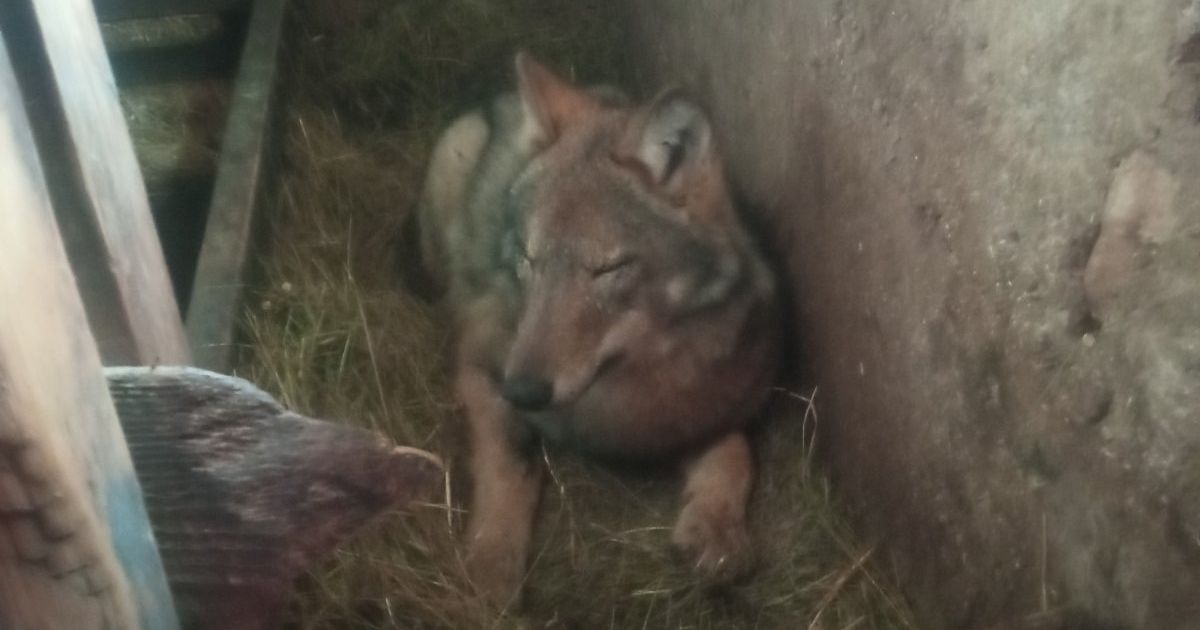

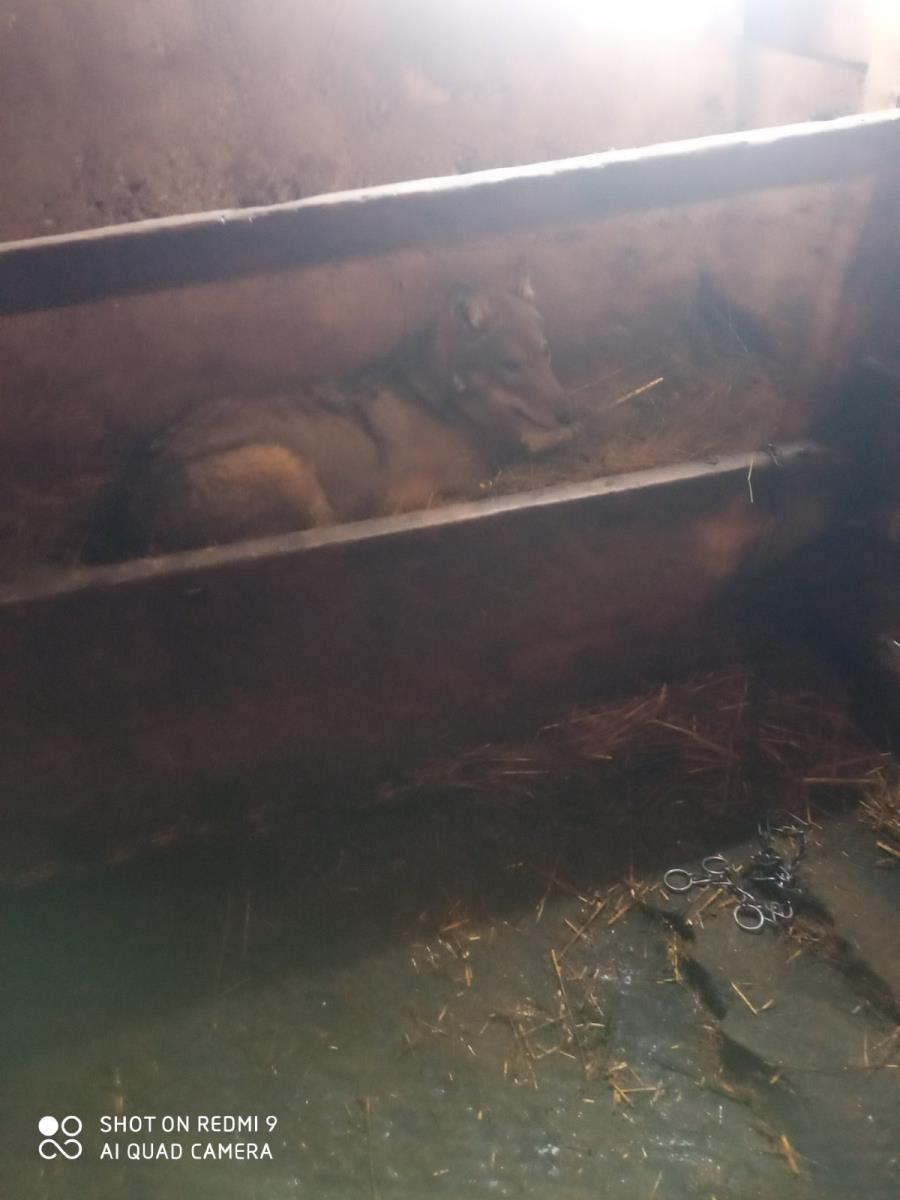
Employees at a cow farm in Žabljak, Montenegro discovered a young wolf lying or sleeping peacefully among calves inside a barn or stable. Reports agree the animal likely entered through a small open window, became effectively trapped inside, caused initial fear among the cattle, and then fled back into the wild or surrounding nature once people entered and startled it. No animals or people were harmed, the scene was filmed and photographed, and the images and videos quickly spread online, drawing considerable public attention because the wolf behaved unusually calmly for a wild predator.
Coverage from both sides places the incident within a broader context of human–wildlife interactions in northern Montenegro, where wolves and other wild animals sometimes approach farms and settlements. They also emphasize the role of local farmers and farm workers, highlighting their composed reaction, and the involvement of online audiences who speculated about the animal’s nature, including suggestions that it might be a Czech wolfdog rather than a fully wild specimen. Both camps note that authorities or experts have not definitively confirmed the animal’s exact classification, and that the episode has prompted discussion of livestock protection, animal behavior, and coexistence with wildlife in rural areas.
Areas of disagreement
Framing and tone. Opposition-aligned outlets tend to dramatize the event as a symbol of neglected rural security, describing the scene in darker, more alarming language and positioning the wolf as a sign of systemic failures in protecting livestock. Pro-government media, by contrast, use a more sensational-yet-light tone, emphasizing the oddity and almost "tame" behavior of the animal and focusing on the curiosity of the footage rather than imminent danger. While opposition sources highlight the anxiety of farmers and the potential risks, pro-government reports repeatedly stress that the wolf was more frightened than the humans and that no harm was done.
Responsibility and institutional response. Opposition coverage generally uses the incident to question whether environmental and agricultural institutions are adequately managing wildlife populations and supporting farmers with effective protective measures. Pro-government outlets either downplay institutional culpability or omit it altogether, presenting the episode as an isolated curiosity rather than a policy problem. When institutions are mentioned in pro-government pieces, it is usually in neutral terms, such as the lack of confirmed expert identification of the animal, rather than as targets of criticism.
Interpretation of causes. Opposition-aligned sources are more likely to link the wolf’s presence in the barn to broader issues such as mismanaged hunting policies, habitat pressures, or failures in rural development that leave farms exposed. Pro-government media tend to explain the event as a random, almost accidental intrusion—an animal entering through an open window and lying down due to confusion or fear—without connecting it to systemic environmental or agricultural trends. In doing so, opposition coverage frames the incident as symptomatic, while pro-government coverage treats it as anomalous.
Symbolism and public mood. For opposition outlets, the story is often framed as emblematic of a state that cannot guarantee even basic safety for livestock, echoing wider narratives of institutional weakness and rural marginalization. Pro-government outlets instead lean into the viral, almost amusing aspect of a "tame"-seeming wolf among calves, highlighting social media fascination and comments about whether it might be a Czech wolfdog. Thus, opposition media read the public reaction as frustration and concern, while pro-government media present it mainly as curiosity and entertainment.
In summary, opposition coverage tends to use the Žabljak wolf incident as a vehicle to question institutional competence and rural security, while pro-government coverage tends to portray it as a rare, somewhat charming curiosity that illustrates the unpredictability of wildlife rather than any deeper systemic failure.
Story coverage