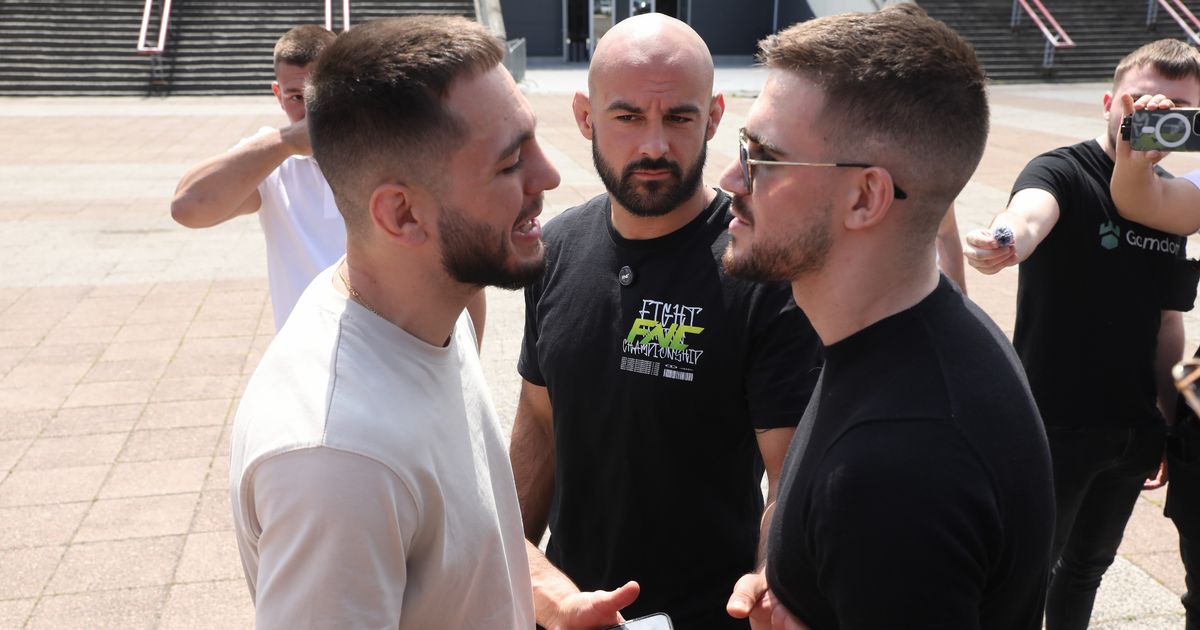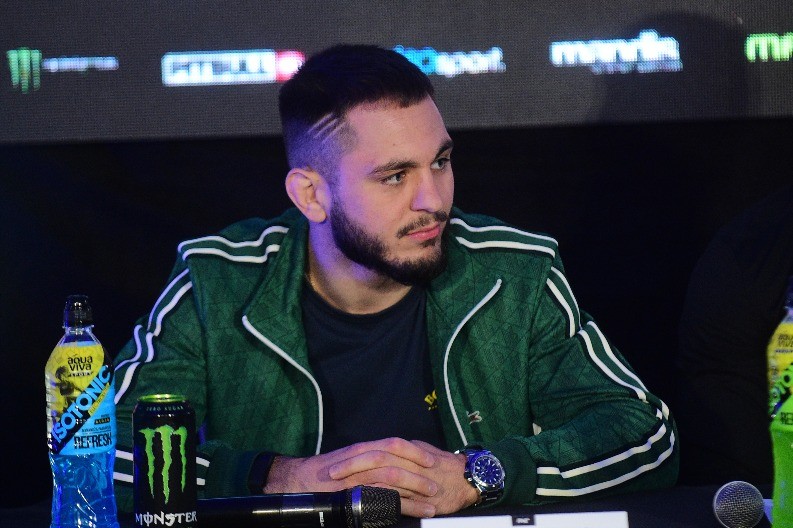


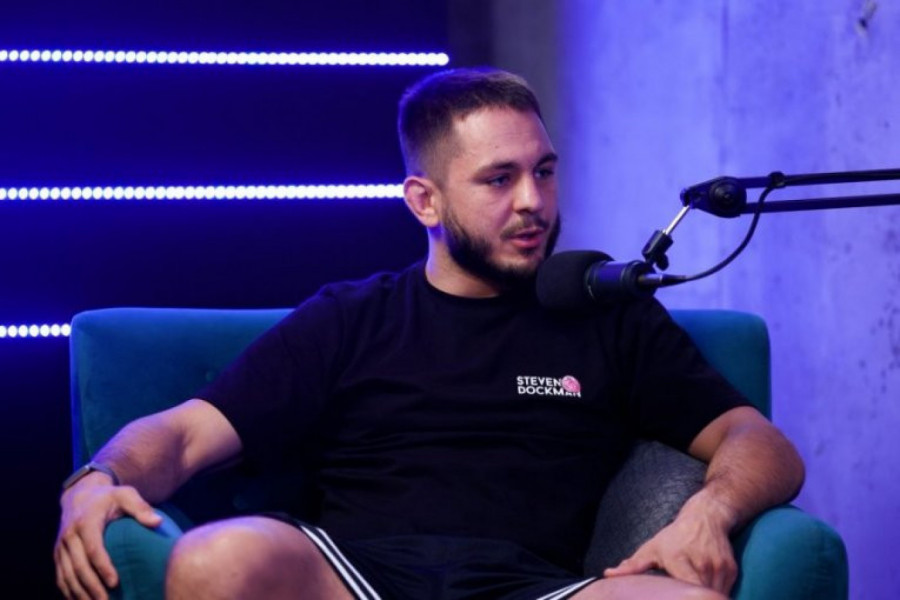
MMA fighters Miloš Janičić and Marko Bojković are widely reported to be engaged in an escalating online feud centered on social media exchanges ahead of upcoming regional combat sports events. Coverage agrees that Janičić, currently training in Thailand for his professional boxing debut scheduled for March 28 in Bor at the “Balkan Boxing 7” event, has publicly targeted Bojković by posting training footage and issuing a direct challenge. Both sides acknowledge that this is not their first clash, referencing at least one previous encounter in which Janičić claims to have already beaten Bojković, and that his latest Instagram comments were attached to content or posts featuring Bojković, to which Bojković has not yet publicly responded.
There is broad agreement that both fighters already had a reputation for provocative online behavior before this latest flare-up, and that their rivalry is embedded in the broader Balkan MMA and boxing scene, including organizations such as FNC and regionally branded fight cards like “Balkan Boxing.” Media from both camps describe the use of Instagram and video posts as a standard promotional and psychological tactic in the build-up to fights, portraying the exchange as part of a familiar pattern where fighters leverage past results, gym affiliations, and training locations (such as Thailand camps) to build persona and hype. Across the spectrum, outlets frame the episode as a continuation of a long-running personal and sporting rivalry that reflects the commercialization and social media–driven nature of contemporary combat sports promotion in the region.
Areas of disagreement
Tone and framing of the feud. Opposition-aligned outlets are more likely to frame the exchange as symptomatic of a broader culture of trash talk and spectacle in Serbian and regional combat sports, stressing its excesses and potential to overshadow sporting merit, while pro-government outlets depict it as normal, entertaining hype that boosts interest in domestic events. Pro-government reports emphasize the excitement and “electric” pre-fight atmosphere around Balkan Boxing 7, often using sensational phrasing to amplify drama, whereas opposition media tend to be cooler in tone, positioning the spat as part of a media circus. Where pro-government sources highlight the rivalry as good promotion for local promotions and Serbian fighters on the international stage, opposition narratives lean toward treating it as another example of performative conflict dominating sports coverage.
Portrayal of Janičić and Bojković. Opposition outlets, where they cover the story, tend to balance the portrayal of both fighters, stressing that each has a record of provocative posting and that neither is blameless in fueling online hostilities, while pro-government outlets more strongly spotlight Janičić’s personality and bravado. Pro-government coverage glorifies his Thailand training, his “brutal” call-out, and his previous win claim, casting him as the driving protagonist and Bojković as a mostly reactive or silent figure who “has not yet responded.” In contrast, opposition sources are more inclined to treat both athletes as co-participants in a spectacle and, when mentioning past encounters, avoid endorsing one-sided narratives about who dominated or who now “owes” a rematch.
Significance and impact on sport. Opposition media tend to question the broader value of such online confrontations, sometimes hinting that they cheapen the sport or distract from structural issues in MMA and boxing infrastructure, while pro-government sources present the exchange as a net positive for audience engagement and the popularity of domestic promotions. Pro-government coverage folds the feud into a success story about regional combat sports growth and the draw of Serbian fighters, framing the rivalry as a marketing engine that helps fill arenas and sell broadcasts. Opposition coverage, by contrast, is more likely to situate the spat within a critical narrative about sensationalism in sports media, suggesting that attention to social media insults may be displacing deeper discussion of coaching, safety, and athlete development.
Political subtext and media ecosystem. Opposition-aligned outlets, when they touch on the story, are more prone to connect the style of coverage to a broader politicized media environment in which conflict-driven narratives are favored, subtly implying that the same tabloid logic used in political coverage is at work in sports reporting; pro-government media generally present the feud as apolitical entertainment. Pro-government reports avoid any suggestion that the tone or volume of coverage reflects systemic media problems, and instead highlight the fighters’ charisma and the entertainment value as self-justifying. Opposition commentary, even if brief, is more likely to treat the story as illustrative of a larger pattern of sensationalist, personality-focused content dominating mainstream channels and crowding out more substantive reporting.
In summary, opposition coverage tends to treat the Janičić–Bojković exchange as an example of overblown, spectacle-driven sports media that merits skepticism and contextual critique, while pro-government coverage tends to amplify the drama as exciting, patriotic promotion for domestic combat sports and elevate Janičić’s call-out as the centerpiece of an entertaining pre-fight narrative.