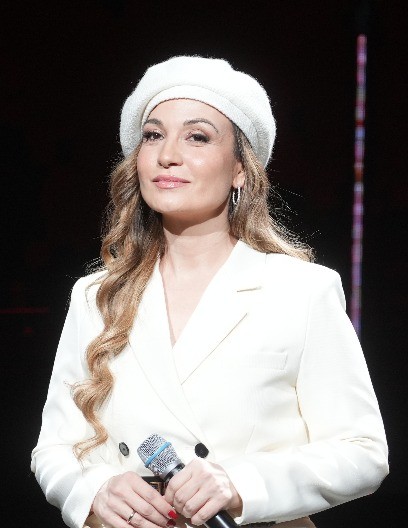




Singer Jelena Tomašević abruptly collapsed on stage during a concert in Bar, Montenegro, after performing only one song, prompting immediate intervention from her band and medical personnel in the audience. She was quickly escorted off stage and transported to the local emergency medical service, leading to the cancellation of the concert and significant concern among attendees and fans following the incident in media and on social networks. Subsequent medical evaluation at the hospital determined that her condition was stable, and she soon issued a public statement, joined by remarks from her husband Ivan Bosiljčić and her team, reassuring the public that she was feeling better.
Across outlets, it is consistently reported that doctors diagnosed Tomašević with vertigo following her hospitalization, a condition characterized by a strong sensation of spinning or movement, often related to inner ear or, more rarely, neurological causes. Coverage agrees that she had been feeling unwell before the show, reportedly due to a virus and general fatigue, yet still chose to perform, and that emergency services and on-site medical professionals responded rapidly. Media on both sides highlight her subsequent social media messages thanking fans and medical staff, emphasizing that she is recovering and using the incident to raise awareness about vertigo symptoms and when they can become more serious.
Areas of disagreement
Framing of the incident. Opposition-aligned sources tend to frame the collapse as part of a broader pattern of overwork, inadequate event planning, or systemic stress on performers, sometimes using the story to question how concerts are organized and how health risks are managed. Pro-government outlets, by contrast, emphasize that this was an isolated medical episode, focusing on the suddenness of vertigo and the unpredictability of such health crises, and avoid linking it to broader systemic issues. While opposition coverage may dwell more on the drama and potential preventability of the incident, pro-government coverage leans on medical explanations and personal circumstances like a prior virus.
Responsibility and organizational standards. In opposition narratives, responsibility is more diffuse but often points toward organizers, managers, and local institutions, implying that better pre-concert health screening or more cautious decision-making might have prevented the collapse. Pro-government media instead highlight that Tomašević herself insisted on performing out of respect for the audience despite feeling unwell, thereby shifting the story toward her professionalism and away from institutional accountability. Where opposition sources may question whether the show should have been postponed, pro-government outlets underline that once the crisis occurred, all involved acted promptly and responsibly.
Focus on institutions and public services. Opposition outlets, when they mention institutions at all, tend to do so in a neutral or occasionally critical tone, suggesting that swift medical help is the minimum that should be expected, and sometimes linking the case to broader doubts about healthcare capacity. Pro-government media repeatedly praise the emergency medical service, the doctors present in the audience, and the Municipality of Bar, underscoring their gratitude and presenting the response as evidence of functional, reliable public services. This side often foregrounds official statements by the municipality and medical staff, while opposition coverage gives comparatively more space to eyewitnesses or critical commentators.
Use of the case for broader narratives. Opposition-aligned coverage is more likely to treat the incident as an entry point into discussions about working conditions in the entertainment sector, health pressures on public figures, and the quality of crisis preparedness at public events. Pro-government outlets more frequently use the case to provide health education on vertigo, describing symptoms, causes, and when it becomes life-threatening, thereby steering the narrative away from political or systemic critique and toward individual health awareness. As a result, the same event becomes a vehicle for social criticism in opposition media and for neutral or supportive messaging around health and institutions in pro-government media.
In summary, opposition coverage tends to stress questions of preventability, responsibility, and systemic pressure surrounding Jelena Tomašević’s collapse, while pro-government coverage tends to emphasize the medical nature of vertigo, the singer’s personal professionalism, and the efficiency of emergency services and local institutions.
Story coverage





pro-government
Jelena Tomašević Photo Gallery
Here's what she posted just hours before it all happened!
22 days ago
pro-government
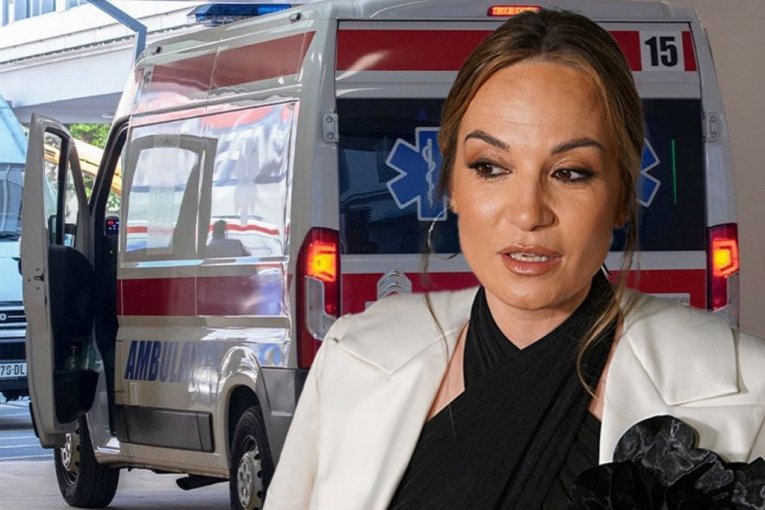
JELENA TOMAŠEVIĆ HOSPITALIZED!
Here's what she posted just hours before it all happened!
22 days ago