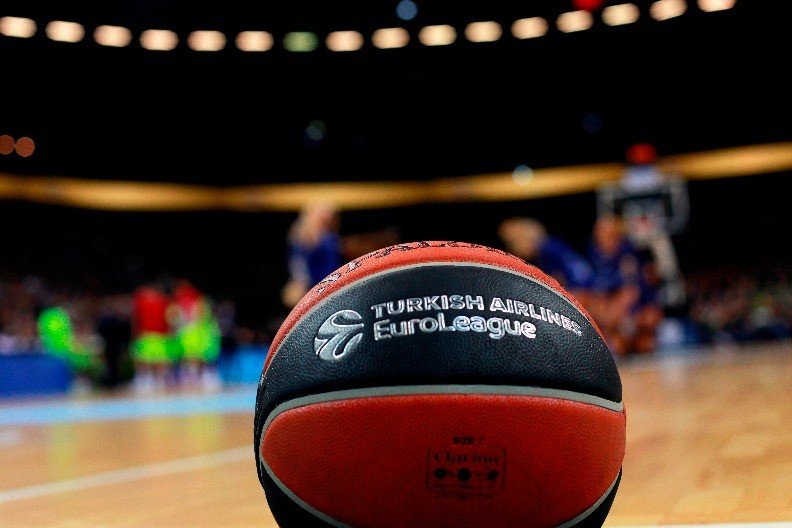
Euroleague has postponed the EuroCup game between Hapoel Tel Aviv and Paris, which had been scheduled for March 3, citing the ongoing security situation and broader conflict in the Middle East. Reporting from both opposition-aligned and pro-government-leaning outlets agrees that the league issued an urgent communication about the change, that the postponement follows earlier disruptions related to regional instability, and that Euroleague will coordinate with both clubs to determine a new date. Coverage also converges on the competitive implications: Hapoel Tel Aviv is close in the standings to Crvena Zvezda (Red Star), with both having the same number of wins but Hapoel holding an advantage because Zvezda has one more loss.
Across the spectrum, outlets describe Euroleague as responding to conflict-driven security and logistical concerns that have already affected sporting events involving Israeli teams, situating this decision within a pattern of war-related adjustments in European basketball. Both sides frame the league’s move as part of a wider effort by sporting institutions to balance competitive integrity with player and fan safety. There is shared context that the match could influence playoff race scenarios and seeding, particularly for Crvena Zvezda, and that the league’s scheduling flexibility has become a recurrent issue since the outbreak of violence in the Middle East, with clubs, broadcasters, and fans all needing to adapt.
Areas of disagreement
Framing of the postponement. Opposition outlets tend to portray the postponement as yet another symptom of deeper instability in the region and sometimes question whether Euroleague has a coherent, consistent policy for games involving Israeli teams. Pro-government outlets more often frame it as a narrowly technical decision made for security reasons, emphasizing that the league is responsibly managing an external crisis. While opposition coverage highlights the disruption to the calendar and potential competitive distortion, pro-government coverage stresses the professionalism of Euroleague and the inevitability of such moves under current conditions.
Impact on Crvena Zvezda and sporting fairness. Opposition narratives are likelier to dwell on how the postponement could distort the competitive landscape, hinting that some teams may gain scheduling or rest advantages and suggesting that Euroleague’s ad hoc decisions could harm clubs like Crvena Zvezda. Pro-government outlets, by contrast, note the matchup’s importance for Zvezda but frame it more as a neutral fact of the standings, avoiding insinuations of bias and focusing on how the club must adapt and keep winning regardless of calendar shifts. Where opposition sources raise concerns about fairness and transparency, pro-government ones highlight resilience, sporting focus, and trust in institutional decision-making.
Political and conflict narrative. Opposition coverage tends to more explicitly link the postponement to the broader politics of the Middle East conflict, sometimes scrutinizing how European institutions respond to Israeli teams and questioning whether geopolitical considerations shape sporting decisions. Pro-government outlets usually keep the conflict reference brief and generic, mentioning “the situation in the Middle East” or “war” without assigning blame or delving into political causes, and they quickly pivot back to on-court implications. Thus, opposition sources politicize the event as part of a wider commentary on war, security, and European policy, whereas pro-government media depoliticize it and present it primarily as a safety-driven operational issue.
In summary, opposition coverage tends to treat the postponement as emblematic of broader political and organizational problems, questioning fairness and highlighting the destabilizing effects of the Middle East conflict on European basketball, while pro-government coverage tends to normalize it as a responsible, technical safety measure with limited political framing and an emphasis on how clubs like Crvena Zvezda must simply adjust and compete.