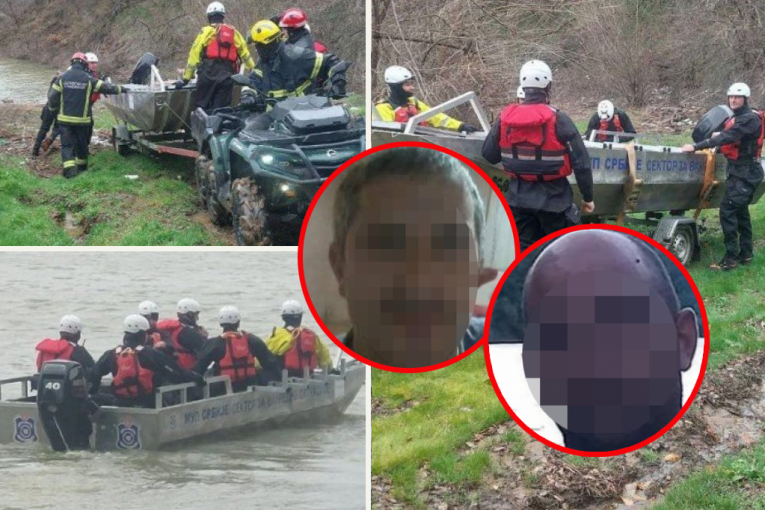

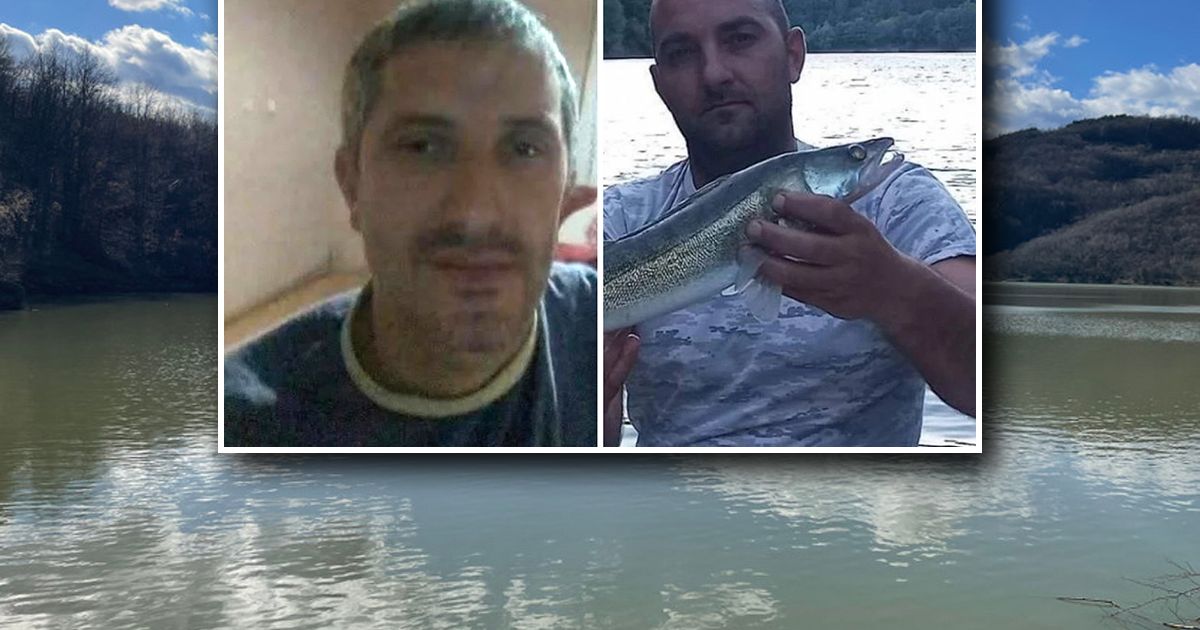
Two experienced fishermen, identified as Stefan Krstić (38) and Slaviša Antić (47), who had been reported missing on Lake Barje near Leskovac, were found dead after a multi‑day search. Both opposition and pro‑government reporting agree that gendarmerie divers located the bodies at a depth of around 35 meters, in or near a fishing net, bringing an end to an intensive search that lasted close to three days. The outlets concur that the men went out on the lake by boat to fish and did not return, prompting authorities and local services to organize a coordinated search operation involving boats and divers, with the discovery confirming fears of drowning.
Coverage from both sides presents a shared context of Lake Barje as a deep, hazardous reservoir where weather, water temperature, and underwater obstacles can quickly turn dangerous, even for experienced fishermen. They similarly reference institutional involvement by police, rescue services, and specialized diving units, and they note preliminary investigative findings that the victims were not wearing life jackets and likely succumbed to a combination of cold shock and entanglement. Both opposition and pro‑government media also acknowledge that formal investigations are underway to determine the precise sequence of events and to assess whether existing safety measures, signage, and enforcement around the lake are adequate, implicitly raising broader questions about risk awareness and regulation on Serbian reservoirs.
Areas of disagreement
Responsibility and blame. Opposition‑aligned outlets typically stress potential institutional negligence, suggesting that local authorities failed to ensure adequate safety signage, life‑jacket enforcement, and oversight of lake use, and they sometimes hint at broader mismanagement of water resources. Pro‑government outlets, by contrast, focus on the personal decisions of the fishermen, emphasizing that they entered a known dangerous lake without life jackets and portraying the deaths primarily as the tragic result of individual risk. Where opposition framing leans toward systemic accountability and possible government shortcomings, pro‑government framing reinforces the idea that state services acted promptly and professionally once the men were reported missing.
Characterization of Lake Barje. Opposition reporting tends to describe Lake Barje as an infrastructure project whose risks have been long known but insufficiently mitigated, occasionally linking it to prior incidents and arguing that authorities have failed to invest in proper safety infrastructure and public education. Pro‑government pieces dramatize the lake as a “cursed” or ominous place but do so in a way that personalizes the danger, presenting the depth and cold as inherent natural hazards rather than as risks that could be substantially reduced through regulation. Thus, while opposition media use the lake’s reputation to question governance and safety planning, pro‑government media use similar imagery mainly to underscore the unpredictability of nature and the need for individual caution.
Role of state institutions and investigation. Opposition outlets, where they comment, are more inclined to question whether the investigation will fully clarify responsibility, raising concerns about transparency and the thoroughness of official findings. Pro‑government outlets highlight the efficiency and professionalism of gendarmerie divers and police, underlining the rapid recovery of the bodies and the ongoing investigative procedures as evidence that institutions function effectively. Opposition narratives therefore treat the investigation as a potential test of institutional credibility, while pro‑government narratives present it as a demonstration of state competence and responsiveness.
Policy lessons and reforms. In opposition‑leaning coverage, the incident is sometimes framed as symptomatic of broader policy failures regarding water‑safety standards, emergency preparedness, and enforcement culture, with calls—explicit or implied—for tighter regulations on boating, mandatory life‑jacket use, and better monitoring of high‑risk reservoirs. Pro‑government coverage tends instead to treat the case as an isolated tragedy, emphasizing personal responsibility and existing rules, and giving less prominence to systemic reform debates or structural critiques of current policy. Where opposition outlets use the event to argue for institutional change and greater accountability, pro‑government outlets generally maintain that current frameworks are sufficient if individuals comply.
In summary, opposition coverage tends to situate the Lake Barje deaths within a narrative of institutional shortcomings, systemic safety gaps, and the need for reform, while pro-government coverage tends to emphasize personal responsibility, the inherent danger of the lake, and the professionalism of state rescue and investigative bodies.