



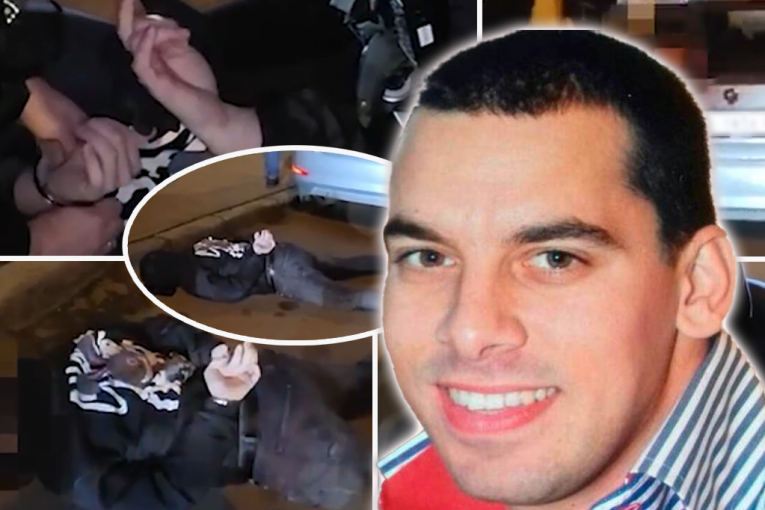
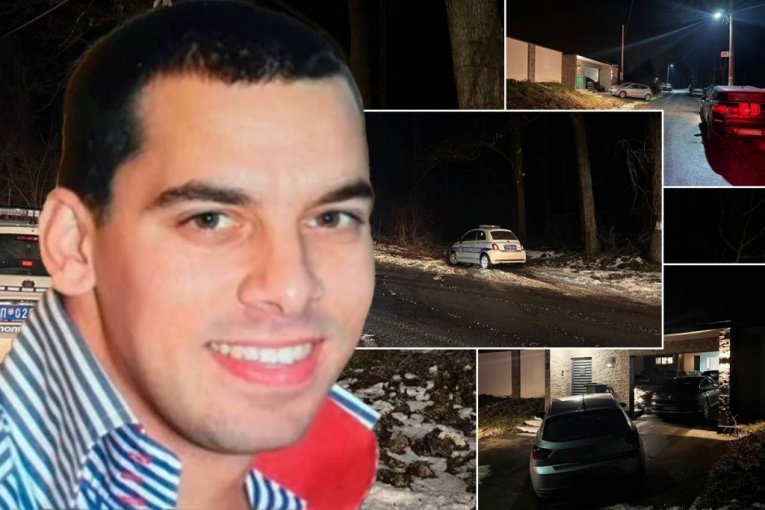
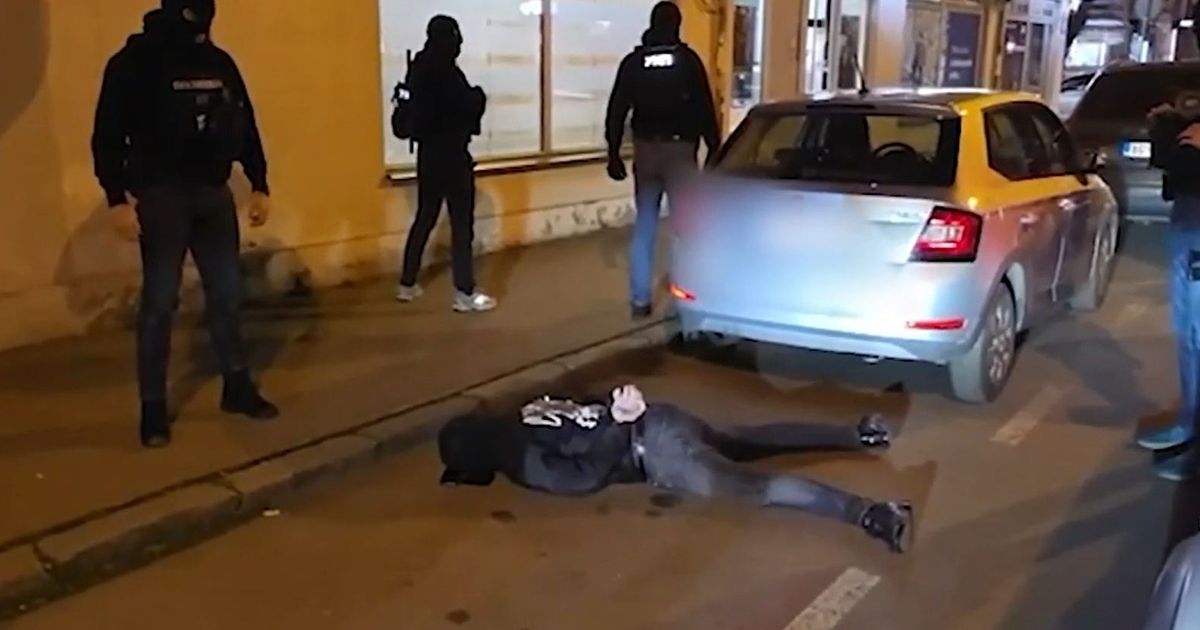
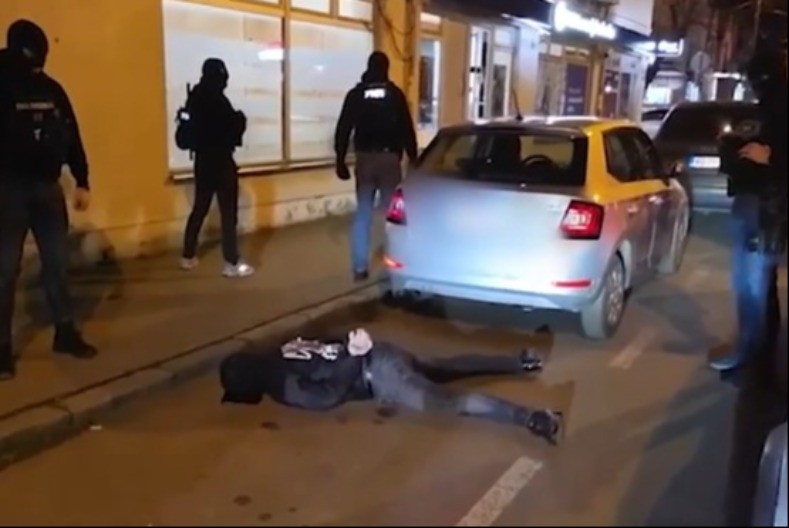
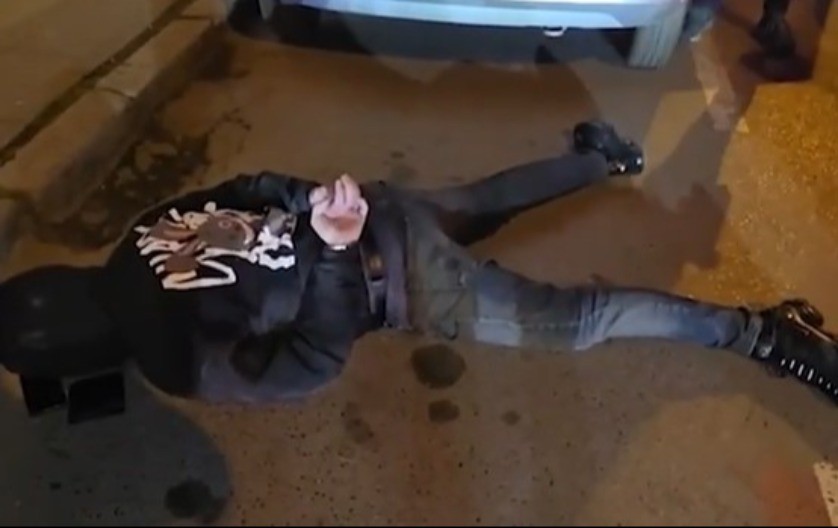
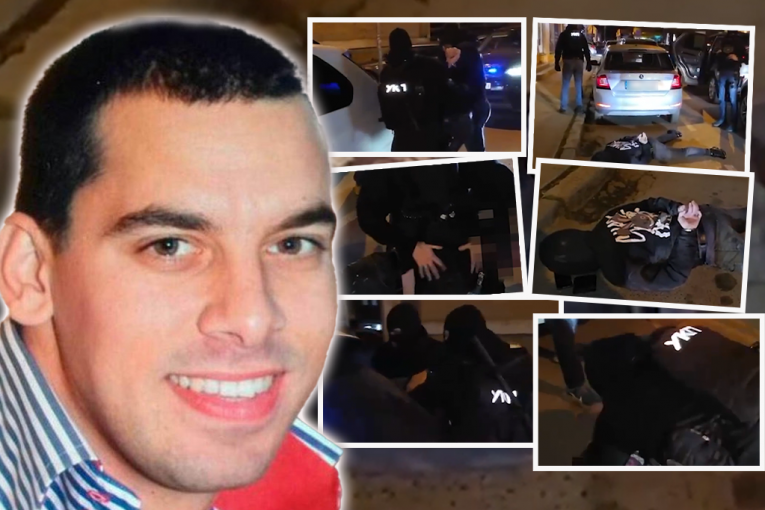
Police and most media agree that a man identified by initials R. S., aged around 28–29, has been arrested on suspicion of the aggravated murder of 43‑year‑old Živko Bakić, whose body was found in January in a forested area near Sopot with multiple gunshot wounds, including to the head. Reports concur that the arrest took place after roughly a month of searching, that R. S. was detained for up to 48 hours by order of the Higher Public Prosecutor’s Office in Belgrade, and that at least one other suspect, Aleksandar Dinić (or Aleksandar D.), had been arrested earlier in connection with the case. Coverage also aligns that R. S. was located and taken into custody in or near Obrenovac, that he had been hiding in his father’s apartment, and that specialized units of the Belgrade police and the Service for Combating Organized Crime participated in what is described as a well‑coordinated operation, partially documented on video.
Outlets likewise agree that Bakić was under house arrest with an electronic ankle monitor at the time of his killing, and that he had pending or ongoing proceedings related to drug smuggling and involvement with a criminal group. Both sides’ reporting emphasizes that the authorities are treating the case as an aggravated murder against the backdrop of organized crime, with possible links to broader drug‑related networks. There is shared context that one of the suspects had prior issues with the law, including a prison sentence for drug possession, and that the investigation is being overseen by higher prosecutorial authorities, suggesting the case is part of a wider institutional effort to tackle serious and organized crime. The presence of a bomb in the apartment where R. S. was arrested is consistently mentioned as an aggravating element that may further tie the suspects to organized criminal activity.
Areas of disagreement
Framing of the police operation. Pro‑government outlets portray the arrest as a spectacular, precise, and highly professional action, highlighting special forces, rapid intervention, and video footage that showcases the strength and efficiency of the police. Opposition‑aligned sources, by contrast, are more likely to question whether the heavily publicized arrest imagery serves as genuine transparency or as political theater, suggesting the state is using the optics of a successful operation to bolster its image. While pro‑government media focus on the choreography and success of the takedown, opposition media tend to emphasize lingering questions about why it took a month to locate a suspect allegedly hiding in a close relative’s apartment.
Responsibility and systemic failure. Pro‑government coverage tends to individualize responsibility, stressing the criminal records and alleged drug‑smuggling activities of Bakić and the arrested suspects, framing the killing as a clash within the criminal milieu that the state is now decisively suppressing. Opposition coverage, however, typically widens the lens, asking how a man under house arrest with electronic monitoring could be murdered in this way, and whether this points to serious failures in judicial oversight, probation services, and police monitoring. Where pro‑government media stress that institutions ultimately did their job by finding and arresting the suspects, opposition outlets are more inclined to argue that institutions failed first by allowing the crime to happen under their watch.
Implications for rule of law and political accountability. Pro‑government outlets present the case as proof that the current government is firmly committed to combating organized crime, citing the involvement of specialized units and prosecutors as evidence that the state apparatus is fully engaged and effective. Opposition‑aligned sources instead frame the murder and its aftermath as symptomatic of a deeper erosion of the rule of law, claiming that criminal groups flourish under political protection and that high‑profile arrests are reactive shows rather than signs of structural improvement. While pro‑government media connect the case to a narrative of a strong state restoring order, opposition media link it to broader criticisms of corruption, selective justice, and the lack of accountability at senior political levels.
Portrayal of the victim and suspects. Pro‑government reporting often emphasizes the criminal background of Bakić and the suspects, including past involvement in drug smuggling and other offenses, implicitly distancing the case from ordinary citizens and suggesting it is contained within the underworld. Opposition coverage is more apt to question whether this framing is used to minimize public concern and to avoid discussion of institutional collusion with organized crime, sometimes highlighting that even people with criminal backgrounds remain under state protection when under house arrest. Thus, while pro‑government media tend to present the victim and suspects as emblematic criminals justly pursued by the state, opposition outlets stress how their status exposes dangerous intersections between the criminal scene and state structures.
In summary, opposition coverage tends to treat the arrest as a window into systemic dysfunction, institutional negligence, and possible political–criminal entanglements, while pro‑government coverage tends to frame it as a showcase of police professionalism and a reaffirmation of the state’s determination to crack down on organized crime.
Story coverage

pro-government
Republic / Photo Gallery / Živko Bakić
He was hiding in his father's apartment.
25 days ago