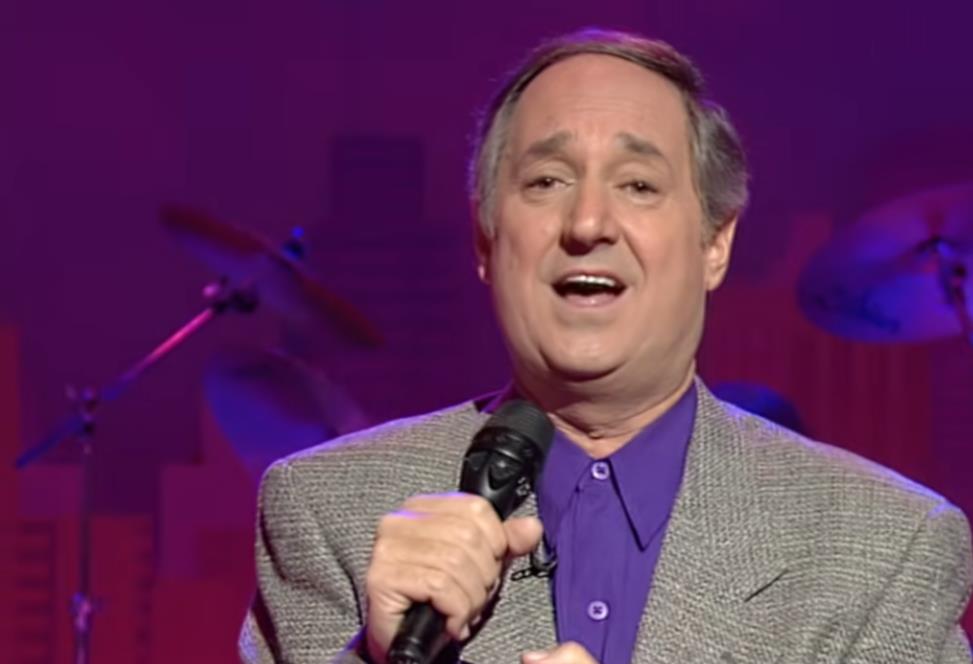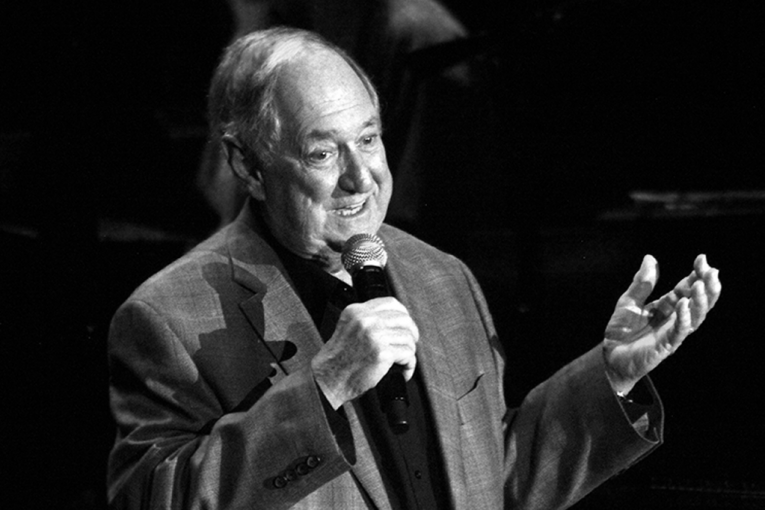



Legendary American singer-songwriter Neil Sedaka has died at the age of 86, with both opposition and pro-government outlets agreeing on his status as a major pop figure and hitmaker. Coverage consistently notes that he experienced a sudden decline in health, was taken to a hospital in Los Angeles after feeling unwell, and then passed away, with his family publicly expressing devastation at the loss of a beloved husband, father, and grandfather. Reports on all sides highlight his most famous songs, especially "Breaking Up Is Hard to Do," "Laughter in the Rain," and "Oh! Carol," and emphasize that generations of listeners grew up with his music. The death is framed as a significant cultural event within the wider history of rock and pop.
Across the spectrum, media describe Sedaka’s career as spanning more than six decades, beginning in the late 1950s and early 1960s, and stress that he was both a performer and a prolific songwriter who worked with other well-known artists. Outlets concur that "Oh! Carol" was a turning point that helped make him a global star, with some explaining that it was inspired by his high school friend Carole King and crafted with producer guidance and careful study of contemporary hits. There is shared recognition of his influence beyond the United States, including the song’s enduring popularity in countries like Serbia, where local actors and musicians recorded their own versions. Overall, both opposition and pro-government sources treat him as an iconic figure whose work left an enduring imprint on international popular music.
Areas of disagreement
Framing of significance. Opposition-aligned outlets tend to place Sedaka’s death within a broader narrative about Western cultural influence and global pop history, using his passing to underscore how international music shaped local tastes and freedoms over decades. Pro-government outlets, by contrast, highlight his importance in a more celebratory and apolitical tone, centering on nostalgia and his status as a beloved entertainer rather than using the moment to reflect on cultural shifts. Where opposition sources might situate him alongside other icons as part of a changing media era, pro-government coverage focuses more narrowly on his hits and fan memories.
Local resonance and appropriation. Opposition sources are more likely to use Sedaka’s Serbian popularity and covers of "Oh! Carol" by local actors and performers as a way to stress cultural hybridity and the organic adoption of foreign music by domestic artists. Pro-government outlets also mention these local versions but tend to frame them as proof of shared cultural taste and as a point of pride that Serbian performers participated in global trends. Thus, while both sides agree on his resonance, opposition coverage emphasizes cross-cultural exchange, whereas pro-government coverage stresses national connection to a global star.
Tone toward the music industry and commercialization. Opposition-leaning media are more inclined to mention producer influence, formulas for hit-making, and the constructed nature of Sedaka’s success as an example of how the music industry manufactures stars. Pro-government reporting, however, presents the same facts—such as the advice to use a woman’s name and a spoken interlude—as charming anecdotes that testify to Sedaka’s craftsmanship and professionalism. As a result, opposition coverage subtly questions industry mechanisms, while pro-government outlets reinforce a romantic narrative of talent and hard work.
Use of the death as social commentary. Opposition outlets are more prone to connect Sedaka’s passing to themes like generational change, the loss of a more optimistic pop era, or the contrast with contemporary entertainment cultures. Pro-government sources largely avoid such critical or reflective framing, concentrating instead on mourning, tributes, and celebrating his legacy without drawing lessons for current politics or society. This leads opposition coverage to read the event as symbolically loaded, while pro-government coverage treats it as a moment of shared, but contained, cultural grief.
In summary, opposition coverage tends to use Neil Sedaka’s death as a springboard for reflections on cultural change, globalization, and the workings of the music industry, while pro-government coverage tends to foreground nostalgia, emotional tributes, and national connections to his global fame.
Story coverage

pro-government
Legendary Neil Sedaka Dies
Legendary singer Neil Sedaka has died at the age of 86.
17 days ago