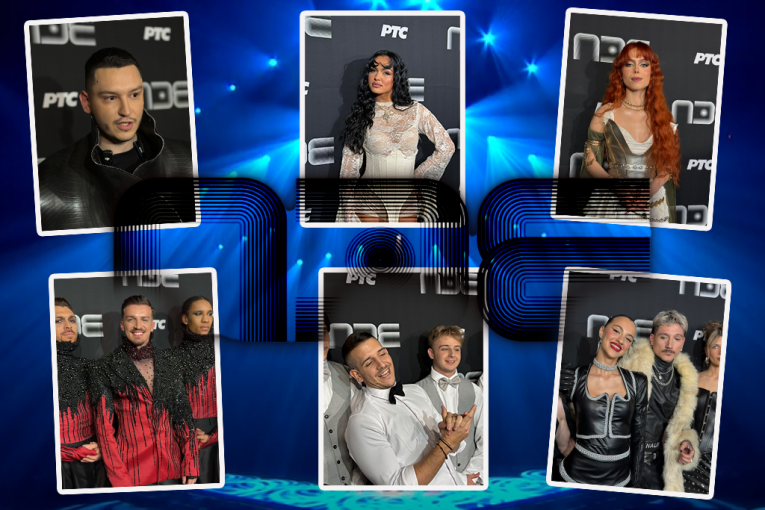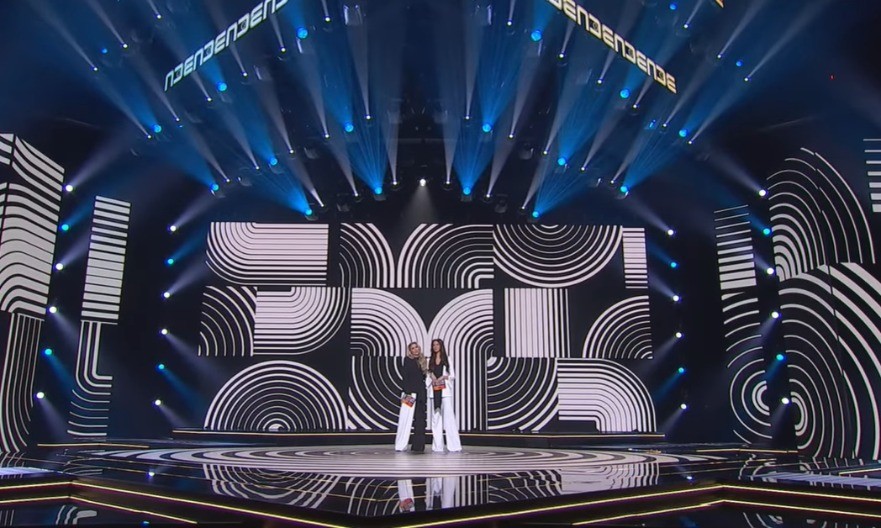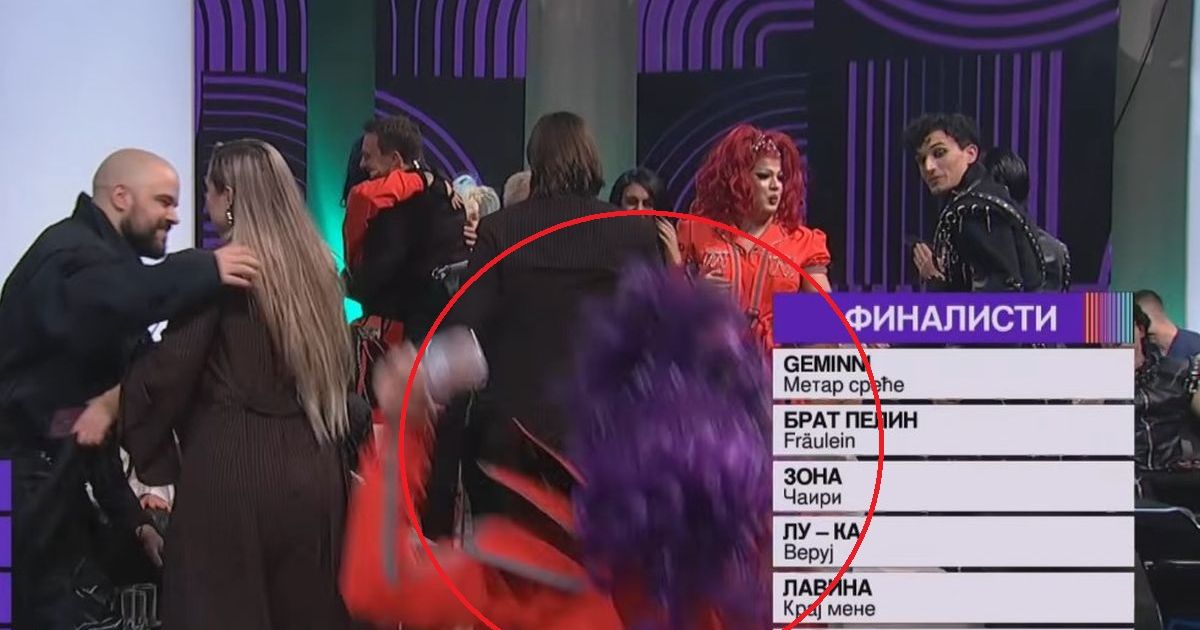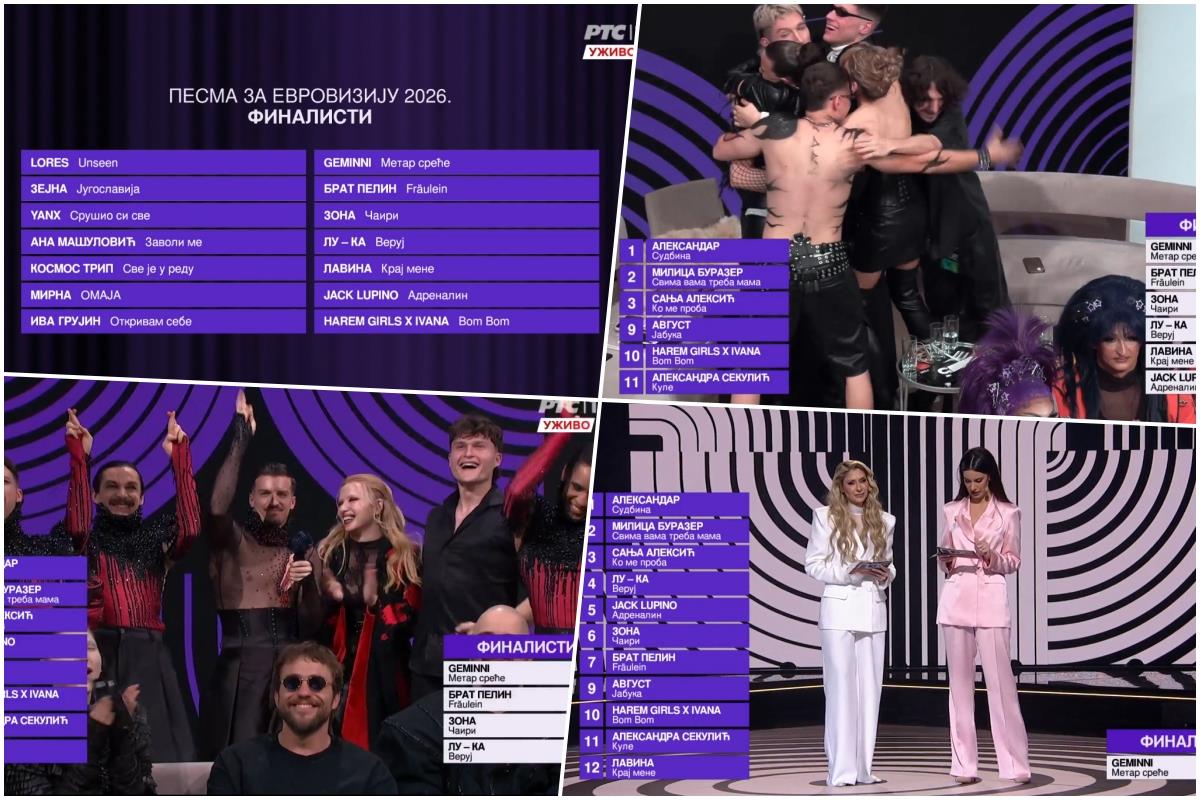



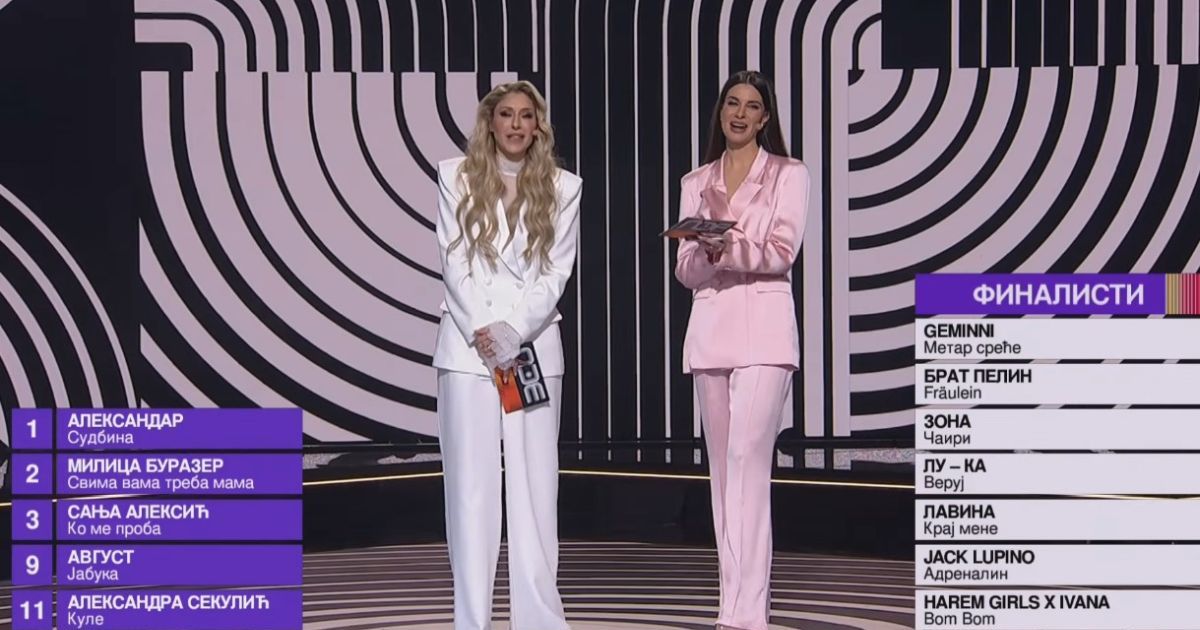
The second semi-final of Pesma za Evroviziju 2026 took place in Serbia with 12 contestants competing for a place in the national final that will decide the country’s representative at the 70th Eurovision Song Contest in Vienna. Across both opposition and pro-government coverage, it is agreed that seven performers advanced from this second semi-final, bringing the total number of finalists to fourteen when combined with the seven qualifiers from the first semi-final. Reports converge that the show was broadcast live, that the finalists were officially confirmed by the end of the evening, and that the group Harem Girls, featuring Ivana Krunić, was among those who progressed after a tense announcement sequence. Both sides also acknowledge a brief on-air incident in which a member of Harem Girls collapsed during the results, with cameras cutting away and later confirmation that she was unharmed and able to celebrate backstage.
Outlets from both camps frame Pesma za Evroviziju as Serbia’s established, state-organized selection format for Eurovision, run under the auspices of the national broadcaster and embedded in a broader tradition of Yugoslav and Serbian participation in the contest. They agree that the second semi-final is one stage in a multi-evening competition culminating in a grand final on February 28, where the winner will be chosen through a mix of jury and public input according to long-standing rules of the format. Common background elements include references to previous editions of the show, the continuity of Serbia’s Eurovision ambitions, and the role of nostalgic interval acts featuring past Yugoslav and Serbian entries to anchor the event in a shared musical heritage. Coverage on both sides presents the semi-final as part of a predictable, recurring cultural institution whose main purpose is to identify a competitive act for the international stage.
Areas of disagreement
Tone and emphasis. Opposition-aligned sources tend to emphasize any production glitches, awkward staging, and the on-air collapse as signs of chaos or mismanagement, often giving more space to behind-the-scenes rumors than to straightforward celebration of the qualifiers. Pro-government outlets, by contrast, treat the collapse as a brief, unfortunate moment quickly resolved, and swiftly pivot to congratulating all seven qualifiers and praising the professionalism of presenters and crew. While opposition reporting may foreground the tension and social media criticism surrounding the show, pro-government pieces highlight the smooth overall flow of the broadcast and the emotional payoff for advancing artists.
Institutional framing. Opposition coverage often situates Pesma za Evroviziju within a narrative of politicized public broadcasting, hinting that the national broadcaster’s management shapes the show’s aesthetics and priorities in line with broader government image-building. Pro-government media frame the competition as an apolitical cultural spectacle and a flagship project of the public broadcaster, stressing its role in promoting national music and uniting audiences across the country. Where opposition outlets may question whether institutional choices favor safe or establishment-friendly acts, pro-government outlets depict the selection as transparent, festive, and merit-based.
Public reaction and legitimacy. Opposition sources are more likely to focus on social media debates about the fairness of which seven contestants advanced, highlighting fan dissatisfaction, allegations of favoritism, or concerns over whether the strongest potential Eurovision entries were chosen. Pro-government reporting foregrounds enthusiasm and pride, citing positive audience reactions, strong viewership figures, and the idea that the format reliably produces competitive Eurovision candidates. Thus, opposition pieces sometimes frame the qualifiers as contested choices, whereas pro-government pieces present their advancement as broadly accepted and celebrated.
Cultural messaging. Opposition-aligned outlets may interpret the mix of songs and nostalgic performances of past Yugoslav and Serbian Eurovision entries as a somewhat backward-looking attempt to lean on safe, familiar imagery instead of showcasing bolder, more contemporary artistry. Pro-government outlets, however, celebrate the same nostalgic elements as respectful tributes that underscore continuity, tradition, and Serbia’s longstanding place in Eurovision history. As a result, opposition coverage can frame the show’s cultural messaging as conservative or risk-averse, while pro-government pieces frame it as cohesive and identity-affirming.
In summary, opposition coverage tends to stress tension, controversy, and questions about institutional influence over the competition, while pro-government coverage tends to highlight successful organization, national pride, and broad public enjoyment of the seven new finalists.
Story coverage